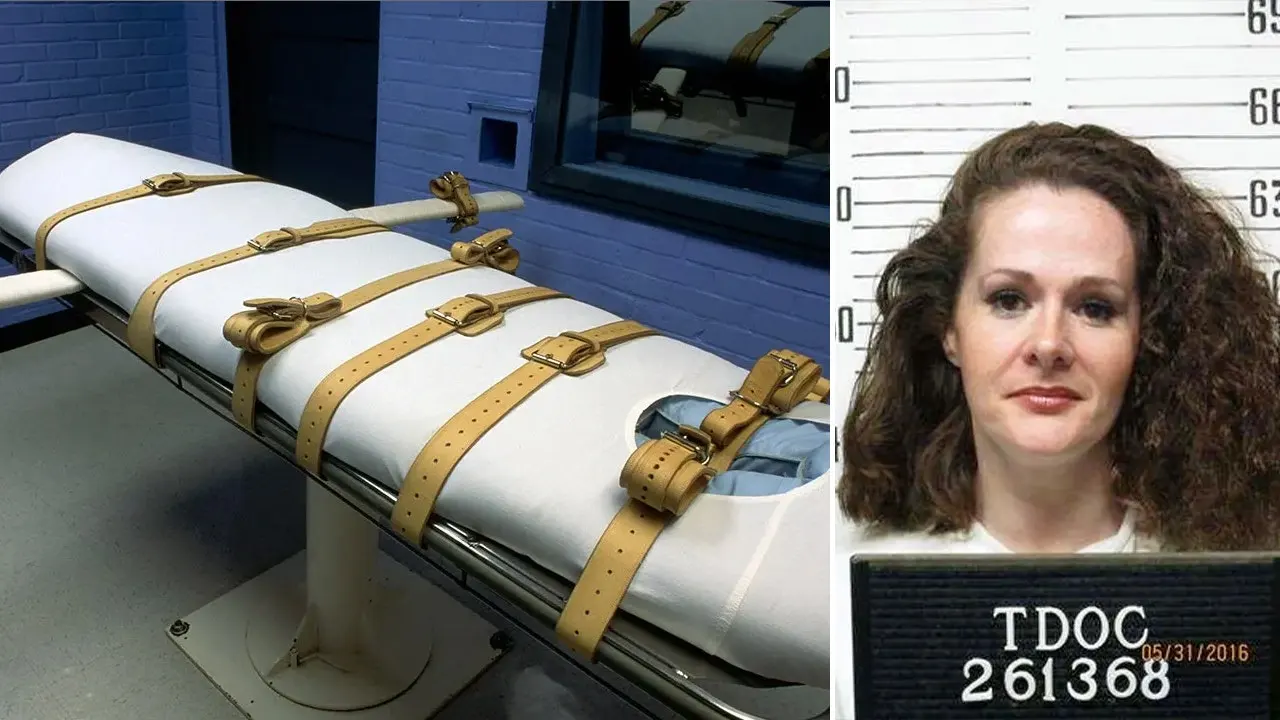

Anesthesiologist who advised Christa Pike’s defense criticizes lethal injection process
Dr. Joel Zivot, an anesthesiologist who advised Christa Pike’s attorneys, joins Bill Hemmer to examine the legal consequences of Tennessee’s botched execution attempt. Zivot discusses the complications involving the lethal injection drugs used by the state after a judge ordered officials to preserve evidence from the failed execution. Pike remains on death row.
Tennessee officials are asking a judge to keep the state’s lethal injection drug supplier confidential, warning that executions could be suspended if the vendor faces retaliation after Christa Pike’s botched execution.
Pike was scheduled to be executed Sept. 30 after the Supreme Court lifted a last-minute stay. She was convicted of killing 19-year-old classmate Colleen Slemmer in Knoxville and sentenced to death.
Pike would have been the first woman executed in Tennessee in more than 200 years. Instead, she survived after two doses of the lethal injection drug pentobarbital failed to kill her.
In a motion filed Friday in Davidson County Chancery Court, a Tennessee Department of Correction employee said suppliers had become increasingly wary. The employee, who described being responsible for obtaining the state’s execution supply of pentobarbital, outlined the concerns in the filing.
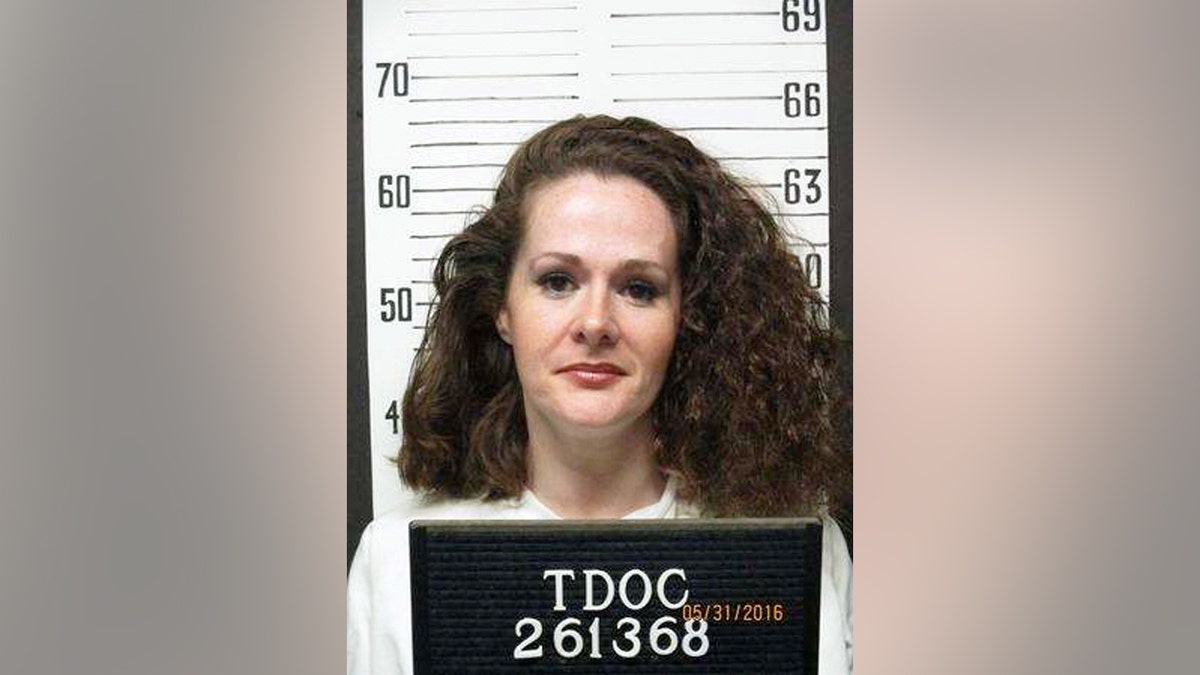
Christa Gail Pike was scheduled to be executed on Sept. 30, 2026. (Tennessee Department of Correction via AP)
“Suppliers have stated that they are concerned about threats, harassment, and boycotts because of their lawful decision to supply state correctional departments with drugs used to carry out lawful executions,” the employee wrote.
The state filed the motion in response to an Oct. 10 order from Chancellor I’Ashea Myles directing officials to preserve all physical evidence connected to the failed execution, including needles, drug vials and any “residual pentobarbital.”
The unnamed employee warned that a label on any of those items could reveal the identity of Tennessee’s pentobarbital supplier. The vendor, the employee said, has “made it clear” that it would end its relationship with the state if its identity became known.
ALSO READ: Cruise Ship Murder Suspect Said He Snapped, Affidavit Says
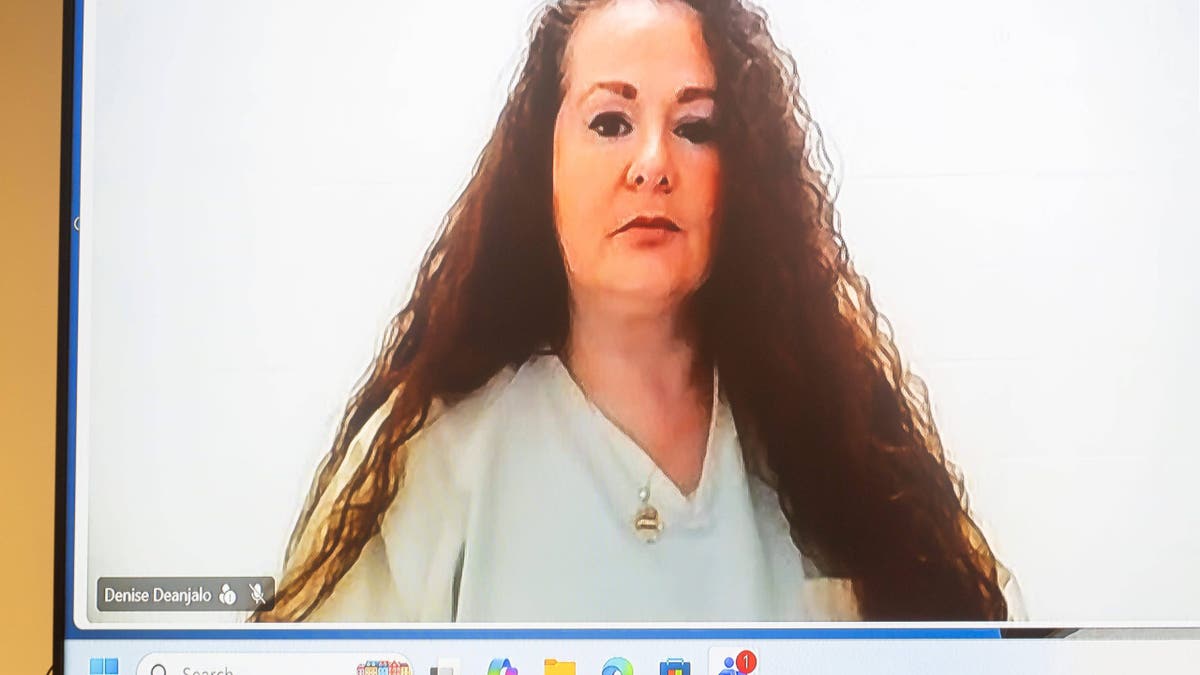
Christa Gail Pike appears remotely from Deborah K. Johnson Rehabilitation during a hearing in Knox County Criminal Court in Knoxville, Tennessee, on Aug. 11, 2026. (USA TODAY Network via Reuters Connect)
The employee said losing the supplier could stop executions in Tennessee and that finding a replacement would probably be difficult.
“If counsel or experts for Plaintiffs [Pike] are allowed to view the labels on any vials of pentobarbital or handle the vials, TDOC would likely lose access to pentobarbital and thus be unable to carry out executions using it,” the employee said. “And in my experience, if that were to happen, it is unlikely Tennessee would be in a position to find another supplier willing to provide pentobarbital for carrying out executions.”
Myles has not ruled on the request.
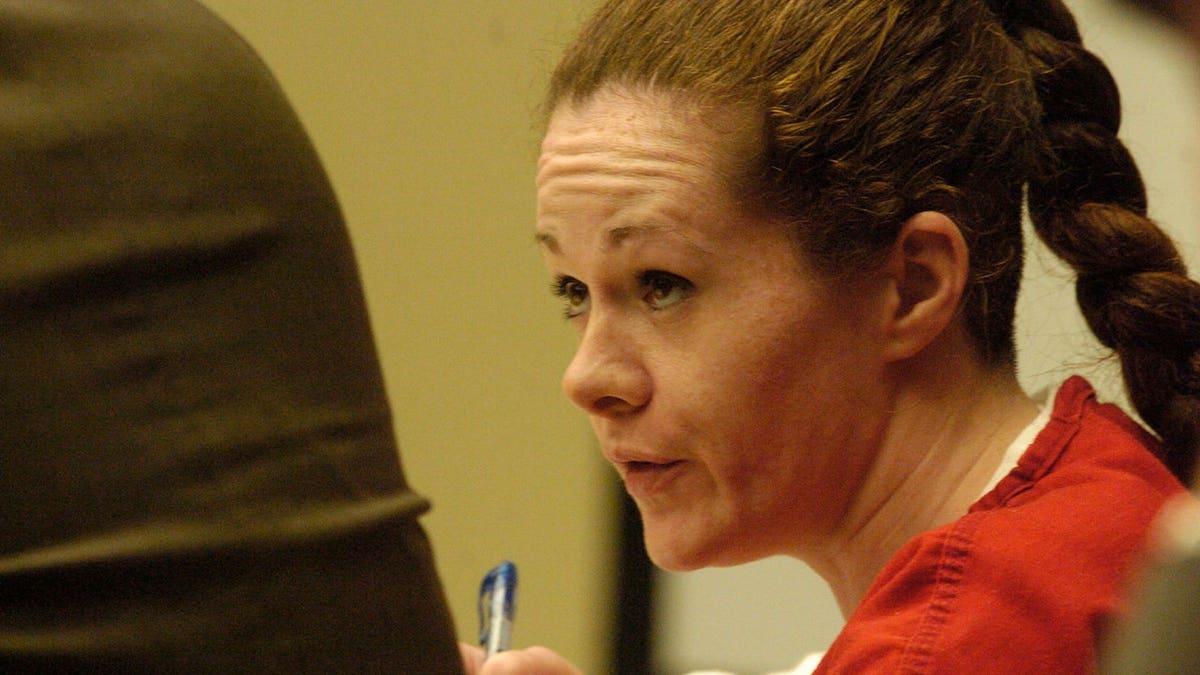
Convicted killer Christa Gail Pike listens to proceedings in April 2008 at Knox County Criminal Court as she seeks a new trial in the 1995 killing of fellow Job Corps student Colleen Slemmer. (USA TODAY Network via Reuters Connect)
The filing comes after a separate request made in late October asking a federal court to prevent prison officials from returning Pike to her housing unit because, the request said, her life is at risk.

Christa Gail Pike is shown during her trial for the murder of Colleen A. Slemmer on March 18, 1996, in Knox County Criminal Court. (USA TODAY Network via Reuters Connect)
“This pod houses inmates with significant histories of assaults and disciplinary problems,” the motion states. “In my two years living in this pod… I witnessed multiple assaults by close custody inmates of other inmates and guards, multiple individuals who were undergoing acute psychological breakdowns, and significant danger.”
The Tennessee Department of Correction declined to comment.