
Share this @internewscast.com
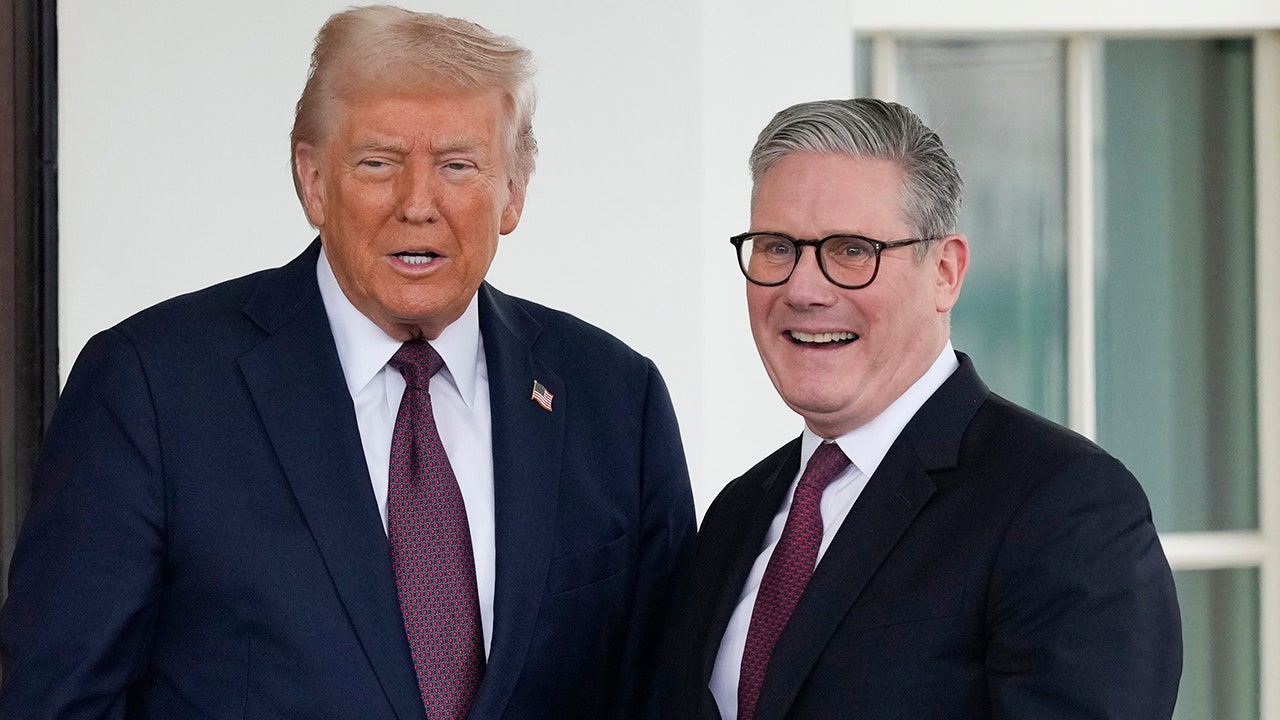
On Sunday, President Donald Trump engaged in a conversation with British Prime Minister Keir Starmer, focusing on escalating tensions in the Middle East. Their primary concern was the urgent reopening of the Strait of Hormuz to restore global shipping routes.
A statement from Downing Street highlighted that the leaders discussed the pressing situation in the Middle East, emphasizing the critical need to get the Strait of Hormuz operational again to facilitate international trade.

During a press conference at Downing Street, Prime Minister Keir Starmer provided updates on the Middle East crisis. The conference was held in London on Thursday, March 5, 2026. (Photo by Tolga Akmen/EPA/Bloomberg via Getty Images)
Both leaders acknowledged that reopening the Strait of Hormuz is vital for maintaining stability in the global energy market. They agreed to continue their discussions in the near future.
This diplomatic exchange occurred as the region faces a rapidly intensifying conflict. Iran has blocked this crucial maritime passage following coordinated strikes by the United States and Israel on Iranian targets on February 28.
The military interventions have prompted swift retaliation from Iran, escalating into a broader regional conflict. Iran has launched missiles into several neighboring countries, some of which were not directly involved in the initial hostilities.
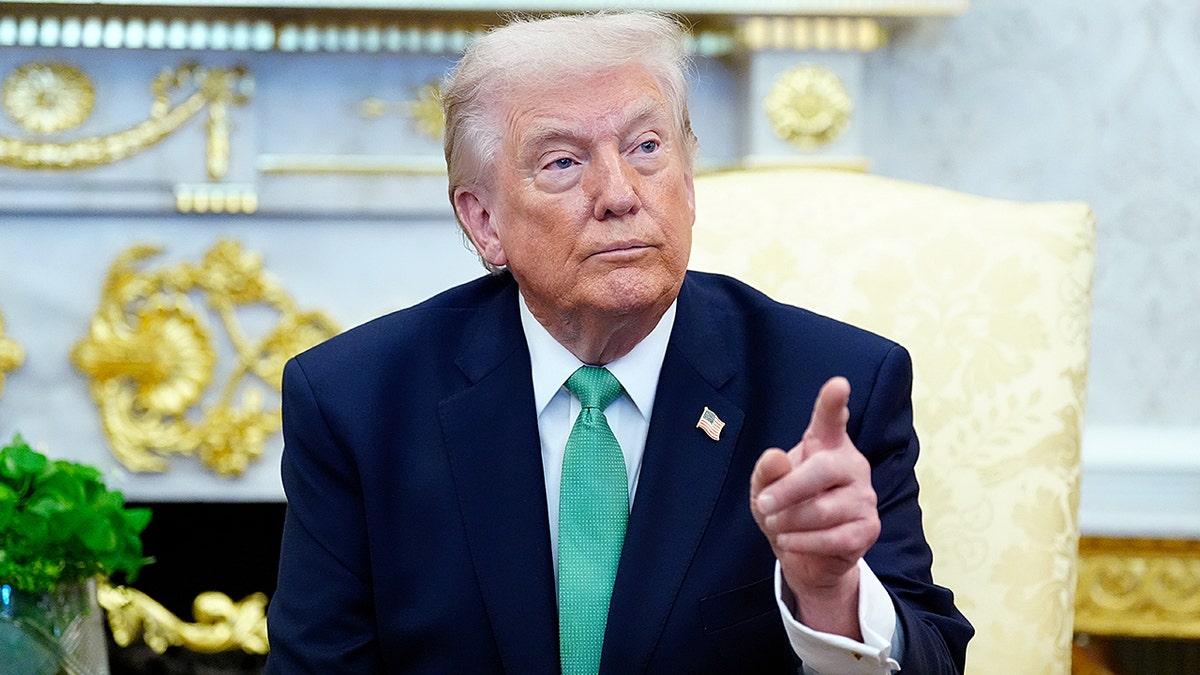
President Donald Trump takes questions from reporters during a meeting with Irish Prime Minister Micheál Martin in the Oval Office of the White House, on St. Patrick’s Day, Tuesday, March 17, 2026, in Washington. (AP Photo/Alex Brandon)
On March 21, Trump issued a 48-hour ultimatum to Iran demanding the reopening of the key maritime route, through which approximately 20% of the world’s oil supply passes.
In a post on Truth Social, Trump warned that failure to comply would result in further U.S. action, including potential strikes on Iran’s energy infrastructure.
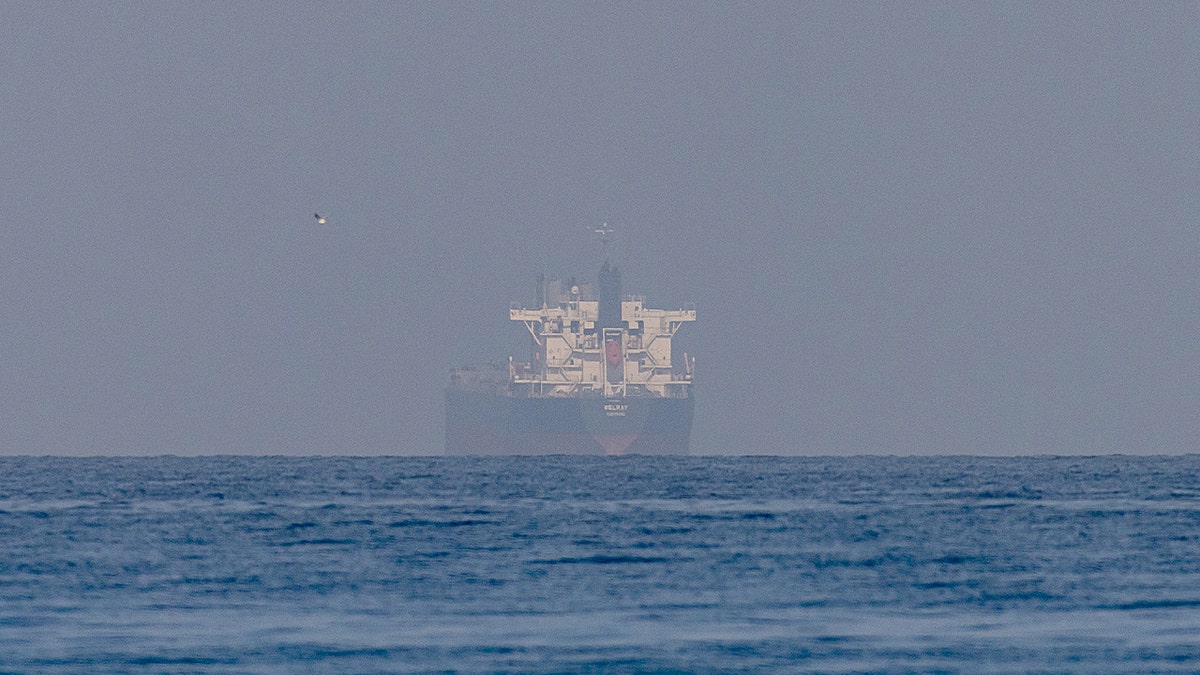
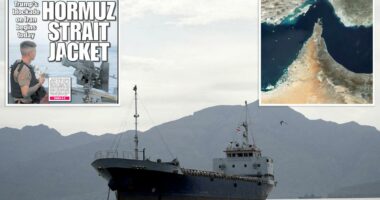
Bulk Carrier, Belray, in the Gulf, near the Strait of Hormuz on March 22, 2026 in northern Ras al Khaimah, United Arab Emirates. (Getty Images/Getty Images)
Sunday’s conversation between Trump and Starmer perhaps reflected a thaw in the tense relationship between the two leaders.
Trump had publicly criticized the U.K. government, stating that Britain “should have acted a lot faster” in allowing the U.S. to use British military bases for strikes targeting Iranian missile sites.
Starmer had also maintained that the use of U.K. bases could only be justified under the principle of “collective self-defense” in the region.
He had initially declined to support the U.S.-Israeli military operation, drawing repeated criticism from the White House.
Meanwhile, Trump appeared to apply public pressure, sharing a “Saturday Night Live” clip Sunday mocking the British prime minister’s handling of the crisis.