
Tyler Robinson trial scheduled for June 2028
Finn examines the expected court timeline, upcoming proceedings and latest developments in the high-profile case involving the killing of Charlie Kirk.
Defense attorneys for Tyler Robinson, the man accused of killing Charlie Kirk, are asking a Utah judge to delay additional ballistics testing. Prosecutors want to determine whether bullet fragments recovered during Kirk’s autopsy can be definitively tied to the alleged murder weapon, though some experts have questioned the need for the analysis and prosecutors acknowledge it is not the centerpiece of their case.
The Utah County Attorney’s Office is urging the judge to reject the request. Prosecutors say the proposed testing will not consume the evidence or prevent Robinson’s experts from examining it afterward. They also maintain that they have stronger evidence to present at trial.
“There is no reason to believe the bullet fragments contain exculpatory evidence,” Deputy Utah County Attorney Ryan McBride wrote in an opposition to the defense motion. “To the contrary, all the evidence points to the inculpatory value of the fragments.”

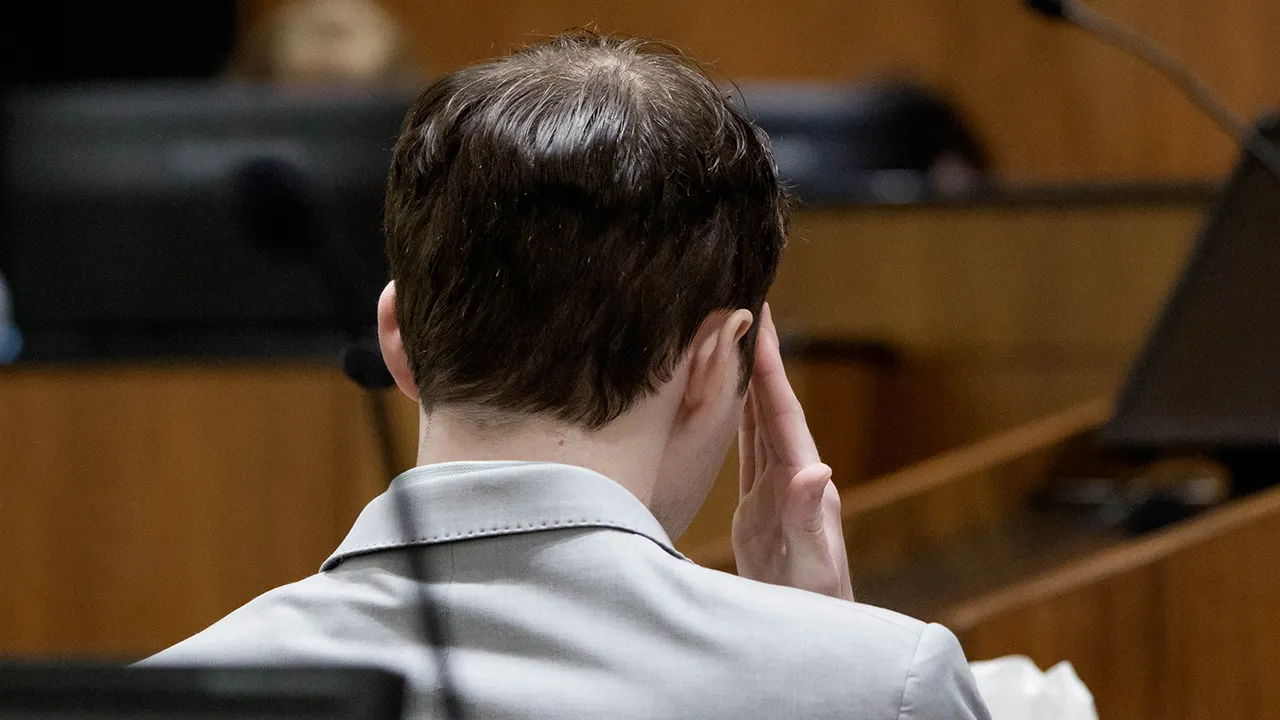
Tyler Robinson, accused of fatally shooting Charlie Kirk, listens during a preliminary hearing at the Fourth District Courthouse in Provo, Utah, on Thursday, July 9, 2026. (Spenser Heaps/AP via Pool)
According to prosecutors, Robinson allegedly confessed to the shooting. Three unfired cartridges found in the rifle were consistent with the round fired at Kirk. Investigators also determined that the recovered bullet fragments were consistent with the suspected weapon, although they have not been conclusively matched to it. Police additionally recovered video evidence and a Dremel tool that prosecutors say correspond to markings found on brass casings inside the rifle at the scene.
The proposed fragment analysis, called virtual comparison microscopy, or VCM, would not destroy the evidence but could physically alter or damage it, court filings say. Investigators may need to fold back “petals” on the fragments to examine rifling marks beneath them. Small portions could be cleaned, scraped or otherwise altered, and lead pieces could break during the procedure.
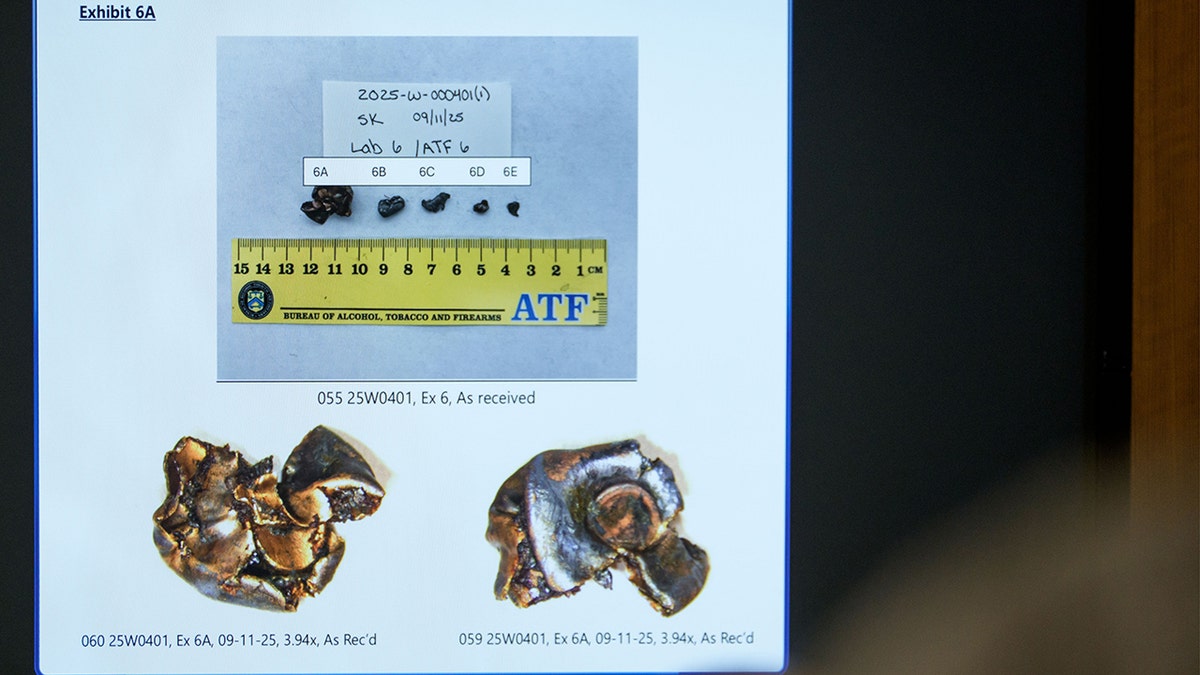
Bullet fragments are displayed during a preliminary hearing for Tyler Robinson, accused of fatally shooting Charlie Kirk, at the Fourth District Courthouse in Provo, Utah, on Thursday, July 9, 2026. (Spenser Heaps/AP via Pool)
Robinson’s attorneys want the VCM examination paused until they can inspect and photograph the evidence. Alternatively, they are seeking an order allowing a defense expert to observe the process in person or through a video recording. The FBI has declined to permit such observation, citing concerns that include contamination and national security.
The defense has argued that earlier testing by the Bureau of Alcohol, Tobacco, Firearms and Explosives already damaged the fragments and that another examination could cause additional harm.

Samantha Karner, an ATF firearm and tool mark examiner, holds a bullet model while testifying during a preliminary hearing for Tyler Robinson, accused of killing Charlie Kirk, at the Fourth District Courthouse in Provo, Utah, on Thursday, July 9, 2026. (Spenser Heaps/AP via Pool)
“The ATF couldn’t conclusively connect the bullet fragment to the recovered rifle, but it couldn’t rule out the rifle either,” said Jason Pack, a retired FBI supervisory agent who has followed the case. “That’s an important distinction, and it helps explain why prosecutors want the FBI to take another look.”
Pack said VCM is more sophisticated than a conventional microscope examination. Still, he cautioned that the technology may not produce a definitive connection between the fragments and the suspected rifle.
“If the markings are too damaged or simply aren’t there anymore, even the best technology can’t bring them back,” Pack told News Outlet.
Robinson is charged with shooting Kirk at Utah Valley University during a Turning Point USA speaking event on Sept. 10, 2025. Prosecutors say investigators recovered one bullet jacket fragment and four lead fragments from Kirk’s body during the autopsy.

An image of ammunition, including a casing marked “TEST SHOT,” is shown during a preliminary hearing for Tyler Robinson, accused in the fatal shooting of Charlie Kirk, at the Fourth District Courthouse in Provo, Utah, on Thursday, July 9, 2026. (Spenser Heaps/AP via Pool)
CONTINUE READING: The Key Clue Showing Cyber Chaos May Not Be a Coincidence
“If the bullet fragment is again altered to the point where no independent comparison is possible, then the degree of prejudice to the defendant is severe,” Robinson’s attorneys wrote. “The defense will be unable to independently verify conclusions, cross-examination will be unfairly limited, and the jury will hear unchallengeable expert testimony.”
Bernard Zapor, a former ATF special agent in charge and a faculty associate at Arizona State University, said the defense concerns may be overstated. He said the fragments were carefully documented during the ATF’s initial examination, with photographs, data and images provided to the defense through discovery. Because the first examination was inconclusive — a result he said is common in shootings involving similar-caliber firearms — additional damage may not significantly alter the evidence.
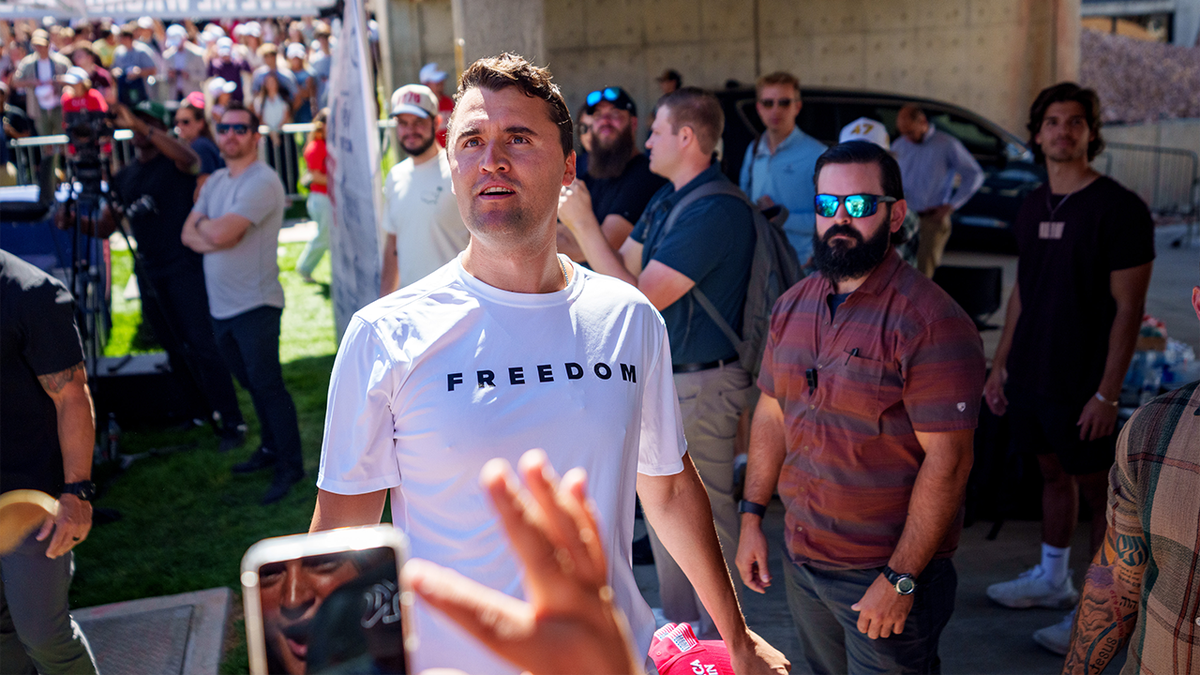
Charlie Kirk speaks at Utah Valley University on Sept. 10, 2025, in Orem, Utah. Kirk, the founder of Turning Point USA, was addressing supporters during his “American Comeback Tour” when he was shot in the neck and killed. (Trent Nelson/The Salt Lake Tribune/Getty Images)
“This is all distracting from the purpose of getting information to the jury so they can come to a conclusion, one way or the other,” Zapor told News Outlet. “This case is solid. You don’t want to do anything to disrupt it.”
Robinson’s attorneys have previously indicated in court that they intend to challenge the ATF’s conclusions and testing methods.
During the earlier examination, ATF analyst Samantha Karner cleaned the jacket fragment, photographed it and pulled back the “petals” to inspect groove impressions. She determined that the fragment was from the .30-caliber class but could not definitively establish whether it had been fired from the suspected weapon: Robinson’s grandfather’s .30-06 Mauser rifle.
“Given the limited detail that Ms. Karner observed, she could not include or exclude the fragment as having been fired from the recovered rifle,” prosecutors wrote. “She testified that there was ‘no further testing that [she] could do’ to try to reach a conclusive result … However, she noted ‘the possibility of using a 3D system to visualize the individual characteristics on the bullet,’ to obtain more conclusive results.”
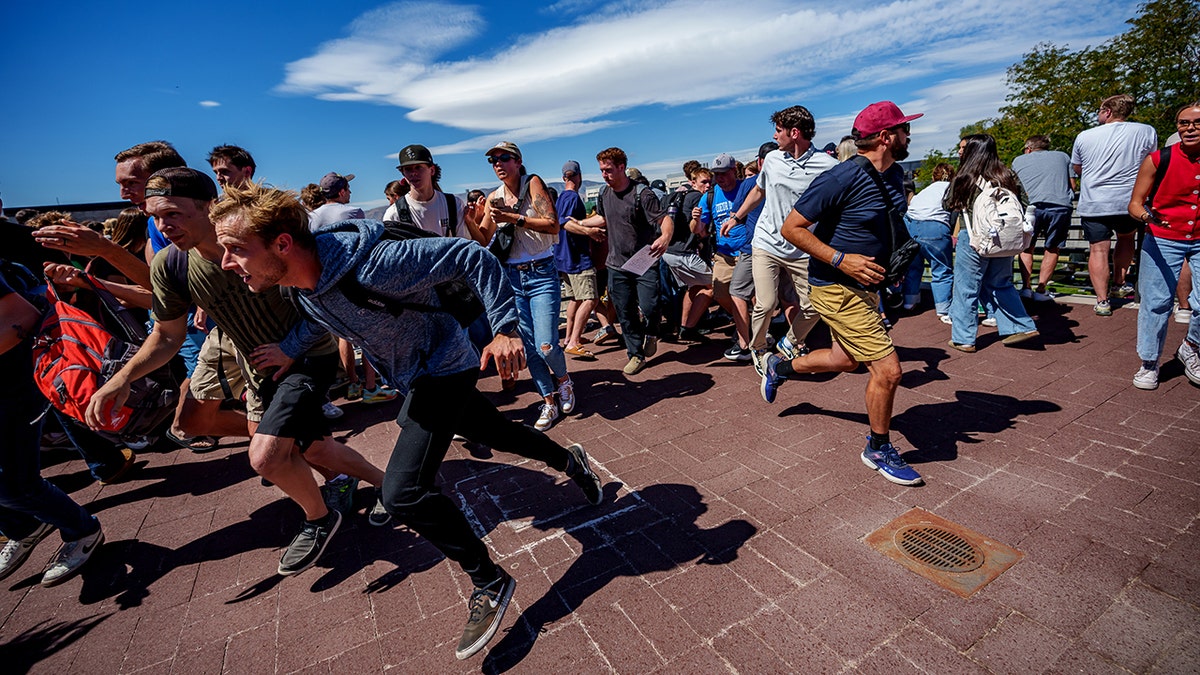
People flee after shots were fired during Charlie Kirk’s appearance at Utah Valley University on Sept. 10, 2025, in Orem, Utah. Kirk, the founder of Turning Point USA, was speaking during his “American Comeback Tour” when he was shot and killed. (Trent Nelson/The Salt Lake Tribune/Getty Images)
That type of analysis would require the fragments to be sent to the FBI for VCM examination.
“This analysis is non-destructive and uses 3D technology to capture multiple scans of the object,” prosecutors wrote. “The scan data will be preserved and provided to the defense for their own analysis.”
However, prosecutors said analysts may need to clean portions of the fragments or bend back distorted metal, known as “petals,” to expose the surface that made contact with the rifle when the round was fired.
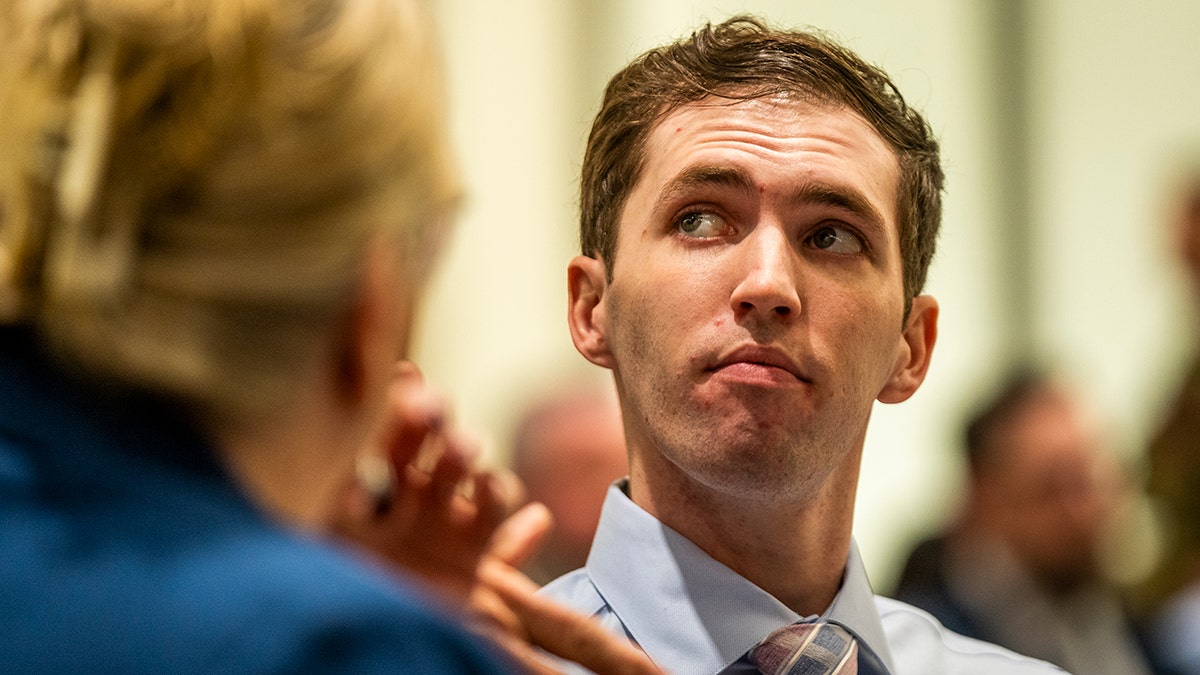
Tyler Robinson, accused of killing Charlie Kirk, appears at a hearing in Fourth District Court in Provo, Utah, on Thursday, Dec. 11, 2025. (Rick Egan/The Salt Lake Tribune via Pool)
Court filings also show that prosecutors are seeking metallurgical testing on the bullet jacket fragment and at least one lead fragment. The process may require a small area to be cleaned before the material is examined using X-rays.
“The FBI is also proposing separate testing to compare the metal in the recovered bullet fragments with ammunition seized during the investigation,” Pack said. “That could provide additional information, although it wouldn’t conclusively identify the firearm.”
Prosecutors further want an examiner to disassemble one of the unfired .30-06 cartridges recovered from Robinson’s home after his arrest and compare it with the other evidence.
Robinson’s attorneys have entered not-guilty pleas on his behalf to all charges. If convicted of aggravated murder, the most serious count, he could face the death penalty.
YOU MAY ALSO READ: Brock Turner’s Life After Conviction and Reported New Identity: What We Know


