
If you’ve ever tried to clear a stubborn sink with a bottle of liquid drain cleaner, only to find the water still stagnant, you’re certainly not alone. Sometimes, chemical solutions fall short when it comes to dislodging a solid obstruction.
Tanja Babich and Casey Finn from The DIY Playbook recently tackled one of the most frequent domestic challenges: unclogging a P-trap beneath the sink.
What is a P-trap?
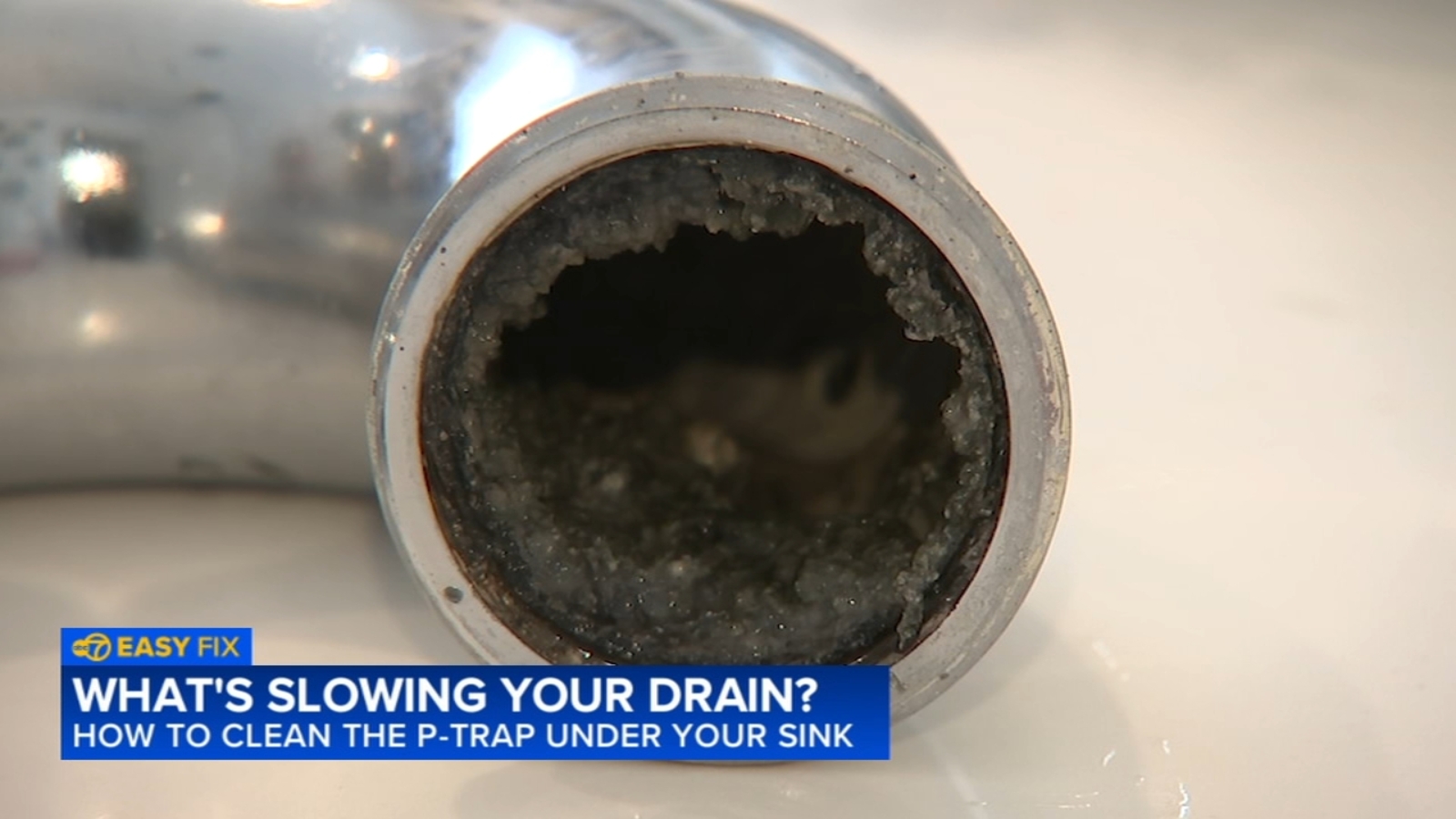
The P-trap, the curved pipe located under your bathroom sink, serves an important function. It retains a small amount of water, creating a barrier that prevents sewer gases from seeping back up through the drain. However, its U-shape also makes it a common spot for debris accumulation.
“You’d be surprised at what you might find in there,” Casey remarks. “It’s often hair and toothpaste, but I’ve discovered Legos and even sticks!”
If your sink is draining slowly or emitting a foul smell, the P-trap is often the culprit.
The Tool Kit
No need for professional plumbing skills or a fully stocked toolbox to remedy this issue. In fact, you might not even require a wrench. Here’s what you’ll want to have ready:
Bucket: To catch the standing water currently in the pipe.
Towels: To wipe up any splashes.
Flashlight: To see what you’re doing in the dark corners of the cabinet.
Gloves: A must-have for handling whatever buildup has been sitting in the drain.
Pro-tip: If the pipe nuts are too tight for your bare hands, a rubber jar opener provides the perfect non-slip grip to get things moving.
Step-by-Step Breakdown
Step 1: Prep the Area
-Place a bucket directly underneath the P-trap.
-Lay down towels to protect the cabinet floor.
-Turn off the water at the shut-off valves under the sink as a precaution (even though we are not disconnecting supply lines).
-Put on gloves.
Step 2: Remove the P-Trap
-Locate the slip nuts on both ends of the curved pipe.
-Loosen them by hand first (most are hand-tightened).
-If needed, use pliers gently to loosen – avoid overtightening or cracking plastic fittings.
-Carefully lower the trap into the bucket and allow any water and debris to drain out.
Step 3: Clean the Trap
-Remove visible hair and buildup.
-Use a brush to scrub inside the pipe.
-Rinse the trap in a separate sink or with running water (not back into the open drain).
-Inspect washers to make sure they are seated properly and not cracked.
Step 6: Reinstall the P-Trap
-Reattach the curved pipe. Hand-tighten both slip nuts securely. Do not overtighten.
-Turn the water back on. Run the faucet and check for leaks.
Important Notes
If your sink still drains slowly after cleaning the P-trap, the clog may be further down the drain line. Avoid relying on chemical drain cleaners – they can damage pipes over time and don’t remove physical buildup.
Copyright © 2026 WLS-TV. All Rights Reserved.


