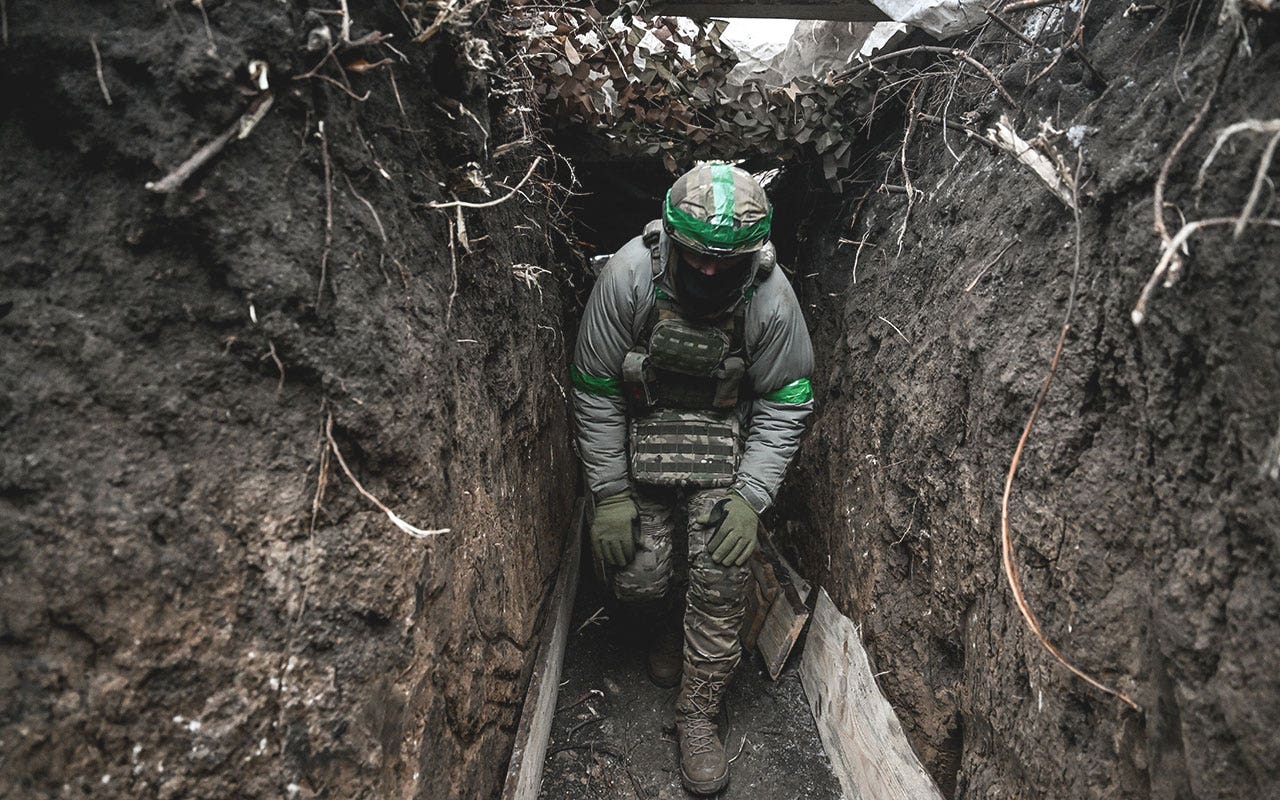

Human rights investigators are sounding the alarm over Russia’s establishment of a global recruiting network, which they argue is drawing in vulnerable foreign nationals to bolster its military campaign against Ukraine. This network is reportedly operating across more than 130 countries and involves practices that some groups liken to coercion, deception, and even trafficking.
In response to significant battlefield setbacks and in an effort to avoid the political fallout of another large-scale domestic draft, Moscow has formalized an international recruitment strategy. This strategy targets some of the world’s most vulnerable populations to maintain its military operations, according to a recent report by the International Federation for Human Rights (FIDH), Truth Hounds, and the Kazakhstan International Bureau for Human Rights.
Since February 2022, Russia has allegedly enlisted at least 27,000 foreign nationals from regions including Central and South Asia, Africa, the Middle East, and Latin America. Ukrainian authorities, referenced in the report, anticipate that Russia might recruit an additional 18,500 foreign nationals in 2026, potentially marking the highest annual recruitment since the onset of the full-scale invasion.
In a telling scene, African nationals were observed in a detention facility in western Ukraine on November 26, 2025. These individuals were captured while serving as foreign fighters for Russia on the Ukrainian front. (Image credit: Genya Savilov/AFP via Getty Images)
Alexis Deswaef, president of the International Federation for Human Rights, emphasized the calculated nature of this recruitment system, stating, “This report underscores that Russia’s use of foreign fighters is neither incidental nor spontaneous. Instead, it’s a deliberately crafted global system targeting vulnerable groups like undocumented migrants, detainees, and precarious workers, as well as foreign students, in dozens of countries across Asia, Africa, and Latin America.”
Deswaef continued, “While many of these recruits understood the nature of their commitment, others were misled or coerced. In all instances, they have been exploited by the State and thrust into perilous frontline duties.”
The report’s central allegation is that Russia’s recruitment apparatus extends far beyond traditional mercenary networks and instead functions as a state-enabled global system that exploits poverty, legal vulnerability and migration insecurity.
Investigators say recruitment evolved from relying primarily on ideologically motivated volunteers early in the war to a broader institutionalized model by mid-2023, after Russia expanded legal eligibility for foreign nationals, eased language and residency requirements, and offered citizenship and financial incentives in exchange for service.
Nationals of African countries watch television in a detention center in western Ukraine holding foreign fighters captured while serving with Russian forces on the Ukrainian front on Nov. 26, 2025. (Genya Savilov/AFP via Getty Images)
In some cases, according to the report, migrants inside Russia were allegedly pressured to enlist through raids, detention threats, document confiscation, fabricated criminal charges and abuse. Outside Russia, recruits were often allegedly lured through promises of civilian jobs, noncombat positions or pathways to Europe, only to be routed into military contracts they often could not read.
Of 16 prisoners of war interviewed for the report, 13 said they were told they would not be required to fight, but were later deployed to frontline positions, often within weeks.
The report also alleges many foreign recruits were funneled into so-called “meat assaults” — high-risk frontal attacks associated with severe casualty rates. Ukrainian estimates cited in the report say at least 3,388 foreign fighters have been killed, with some estimates suggesting one in five recruits may not survive deployment.
A Russian service member stands next to a mobile recruitment center for military service under contract in Rostov-on-Don, Russia, Sept. 17, 2022. (Sergey Pivovarov/Reuters)
“Despite the fact that many states are taking measures to curb recruitment, and although Russia claims it is no longer recruiting citizens from certain countries, the predatory recruitment continues. Ukrainian authorities predict that in 2026 Russia will engage more 18,500 foreign nationals, marking the highest annual figure since 2022,” said Maria Tomak, associated researcher and advocacy expert at Truth Hounds.
“This underscores the continued relevance of our report. Our primary objective remains clear: to halt recruitment and to compel Russia to repatriate those already recruited.”
The report stops short of claiming every foreign fighter was trafficked, noting some enlisted voluntarily for financial gain, but concludes there are reasonable grounds to believe at least some cases meet international definitions of trafficking in persons through deception, coercion and exploitation.
For investigators, the broader concern is that Russia’s war effort may now depend in part on a transnational manpower pipeline that weaponizes global inequality, drawing economically desperate men from around the world into one of Europe’s deadliest conflicts.
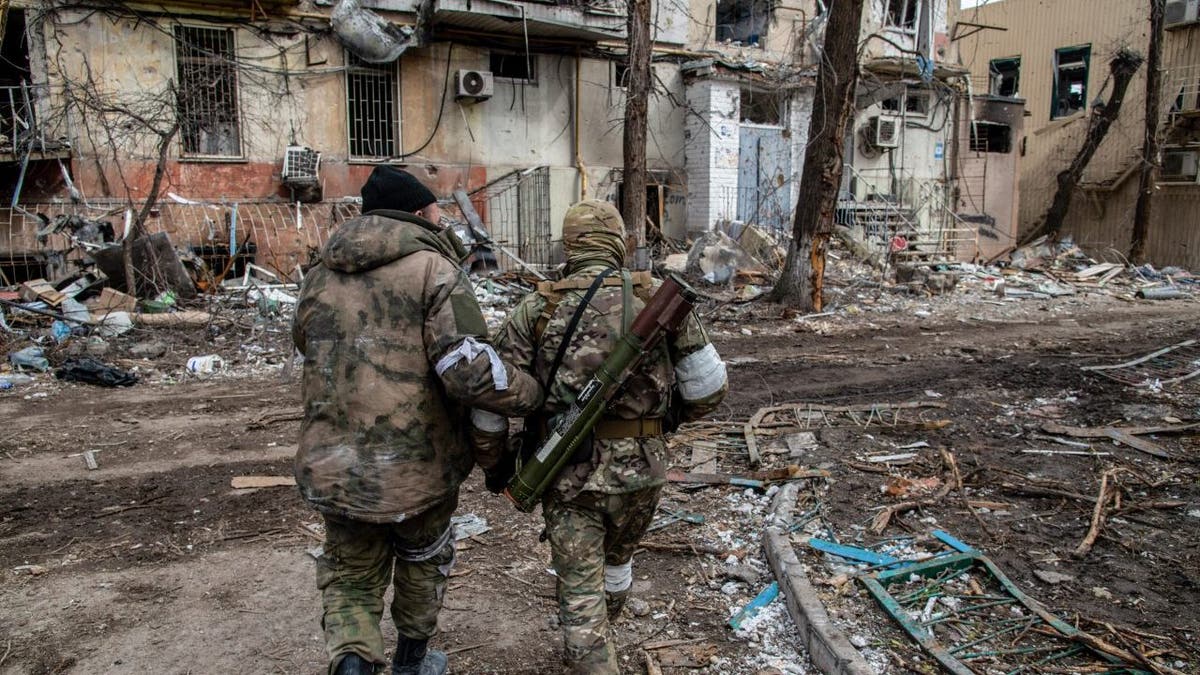
Russian and Chechen soldiers in a devastated Mariupol neighborhood close to the Azovstal frontline. (Maximilian Clarke/SOPA Images/LightRocket via Getty Images)
The report calls on governments, international organizations and Ukraine’s allies to crack down on recruitment networks, pressure Moscow diplomatically and push for repatriation of foreign nationals already caught in Russia’s military system.
Fox News Digital reached out to the Russian Embassy in Washington, D.C., and Russia’s Defense Ministry for comment but did not receive a response.