
Share this @internewscast.com

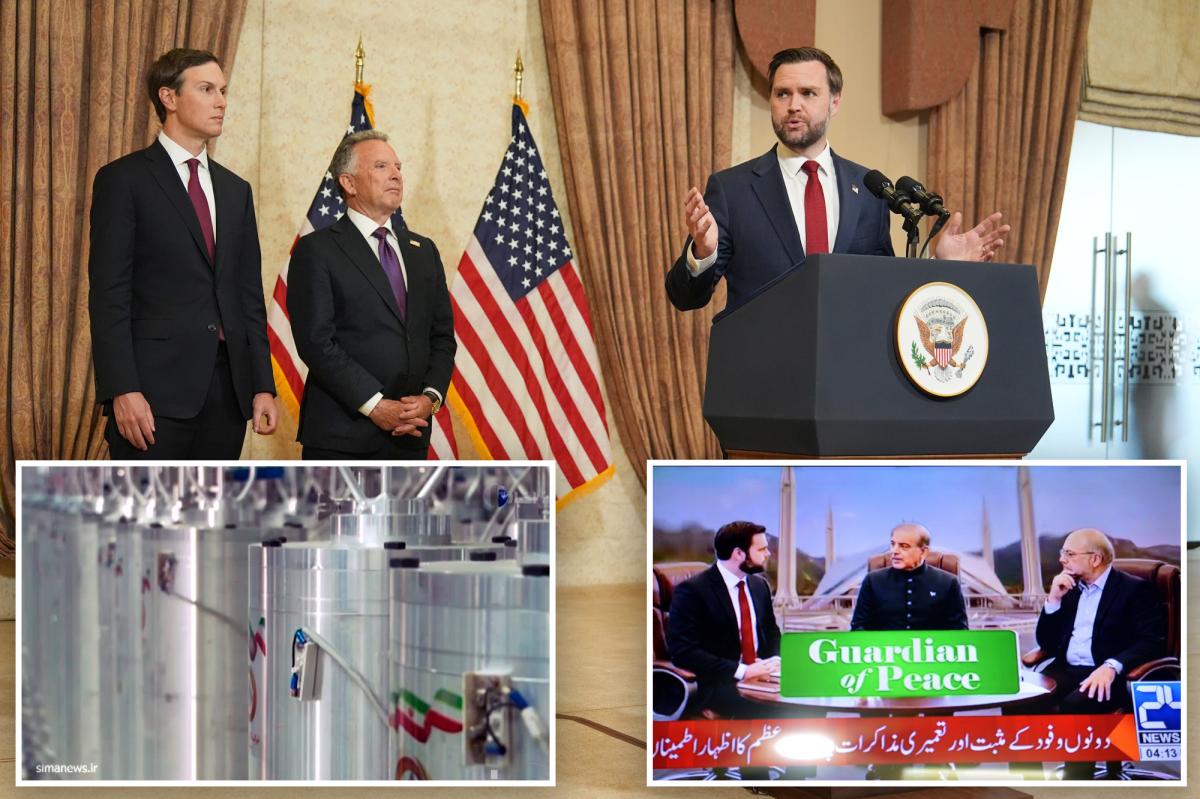
WASHINGTON — In a significant diplomatic move, the United States proposed that Iran put a halt to its uranium enrichment activities for a minimum of 20 years. This request emerged during cease-fire discussions held over the weekend in Pakistan, as revealed by a source familiar with the negotiations on Monday.
“The United States proposed a minimum of two decades, coupled with various other restrictions,” the source disclosed. This proposal suggests a potential shift in the White House’s stance, as President Trump had previously set a firm boundary regarding this issue.
The initial report of this US offer was brought to light by Axios.
The negotiations in Islamabad, spearheaded by US Vice President JD Vance, extended over 21 hours but concluded without a formal agreement. Despite this, President Trump expressed optimism on Monday, asserting that Tehran was open to resuming talks.
Addressing reporters outside the Oval Office, Trump stated, “We’ve received communication from the other side. They’re very eager to reach an agreement, very much so.”
While the future of Iran’s nuclear ambitions remains a contentious point, Trump emphasized, “Iran will not possess a nuclear weapon. We’ve reached consensus on many matters, but not on this particular issue. I firmly believe they will eventually consent. In fact, I’m certain of it.”
“If they don’t agree, there’s no deal. There’ll never be a deal. Iran will not have a nuclear weapon, and we’re going to get the [uranium] dust back. We’ll get it back either we’ll get it back from them or we’ll take it.”
The White House confirmed the US and Iran were in “continued engagement” with “forward motion,” without elaborating.
With the war in its seventh week, economic pressure is building on both nations. Oil prices briefly surged back above $100 per barrel after the US Navy president began a blockade of Iranian ports on the Strait of Hormuz, while regular gas prices in the US remain above $4.12 per gallon on average.
But Tehran is also feeling the heat. With the strait blocked, Iran has lost its main route to distribute oil and receive cargo.