
Share this @internewscast.com
The U.S. Census Bureau has revealed that the nation’s population is expanding at the slowest pace observed since the onset of the COVID-19 pandemic, primarily due to a downturn in migration rates.
According to the Bureau, after a brief resurgence in population growth in 2023 with a rate of 0.8% and an even higher peak of 1.0% in 2024, the growth rate between 2024 and 2025 slowed significantly to just 0.5%, marking the lowest post-pandemic growth.
The Bureau identified a “significant reduction in net international migration,” which refers to the movement of people between the U.S. and other countries, as a “major factor in the deceleration.” Meanwhile, the natural population change, which measures the difference between births and deaths, remained relatively unchanged.
Christine Hartley, the assistant division chief for Estimates and Projections at the Census Bureau, explained in a news release, “The decline in U.S. population growth is primarily due to an unprecedented drop in net international migration, which fell from 2.7 million to 1.3 million between July 2024 and June 2025. With births and deaths remaining stable compared to previous years, the significant reduction in migration is the principal cause of the slower growth rate observed today.”
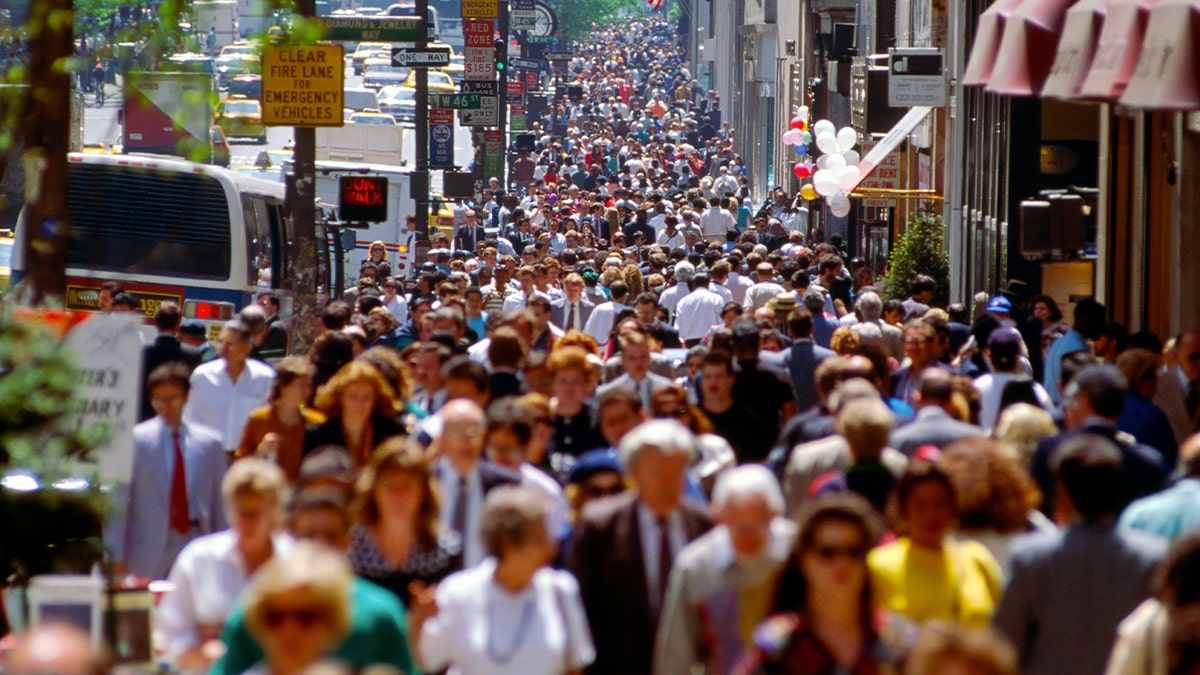
The U.S. Census Bureau highlights that the country’s population growth rate has reached a post-pandemic low. (AscentXmedia via Getty Images)
Marc Perry, a senior demographer at the U.S. Census Bureau, added, “As natural change contributes less to population growth than before, some states—particularly those without a positive net domestic migration—rely on international migration for population increases. The sharp declines in growth rates seen in some states this past year serve as a reminder of this dependency.”
Several states, including Connecticut, Massachusetts, New Jersey, New York and Rhode Island, relied on net international migration for population growth between 2023 and 2024. The bureau acknowledges that four of the five saw more births than deaths, but said that migration played a larger role in population growth for those states than natural changes. On the other hand, natural change fueled growth for other states, such as Alaska, Idaho, North Dakota, South Dakota and Utah.
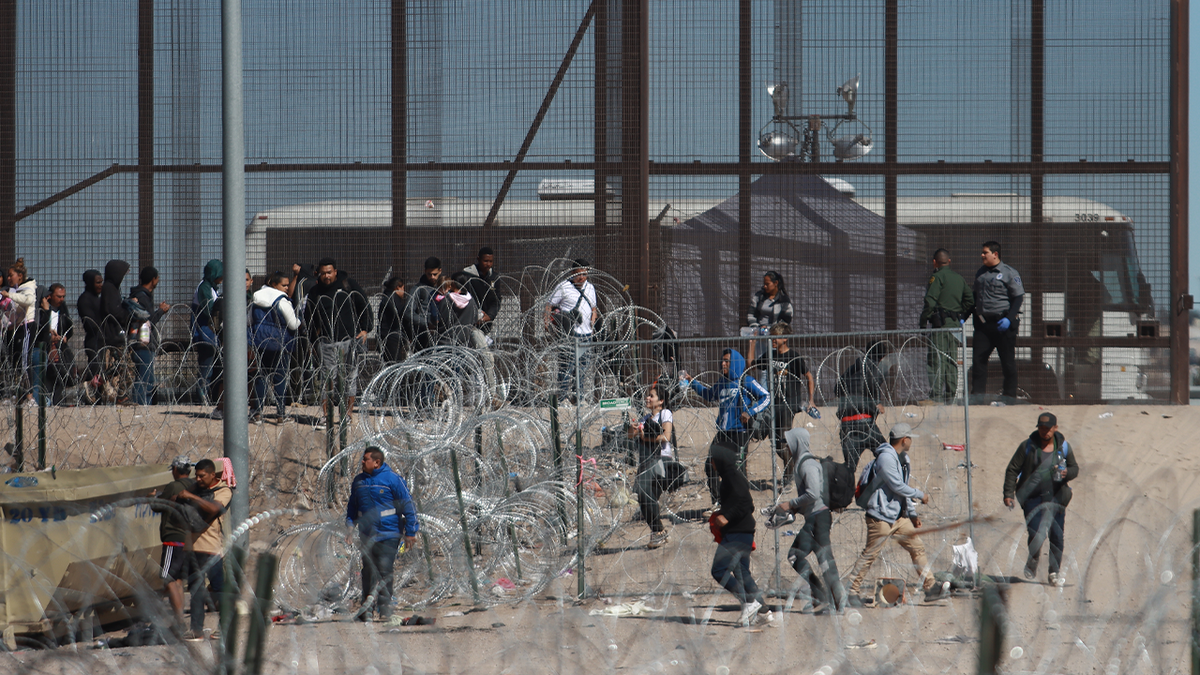
Groups of migrants of different nationalities arrive at the Rio Grande, to cross it and surrender to the American authorities on Feb. 19, 2024. (Christian Torres/Anadolu via Getty Images)
“When international migration slowed between 2024 and 2025, states throughout the country felt it, particularly those that relied on it most heavily for growth,” the bureau said.
The drop in intentional migration meant that population gain from net international migration was the largest component for just 30 states and Washington, D.C., down from 40 states and D.C. the year before. The bureau also found that domestic migration was more prominent overall, becoming the largest component of change for 16 states, up from nine the year before.

Migrants wait in line to enter the shelter set up by the authorities for migrants as migrants wait for an appointment through the U.S. Customs and Border Protection (CBP) one application in Ciudad Juárez, Mexico, on May 23, 2023. (Christian Torres Chavez/Anadolu Agency via Getty Images)
The Census Bureau did not speculate on causes, though the slowdown coincides with President Donald Trump’s reelection, amid a renewed debate over immigration enforcement and border policy.
In March, the bureau will release its estimates of the July 1, 2025, population totals and components of change for the U.S. metropolitan and micropolitan statistical areas and counties. It will also release population totals for Puerto Rico municipalities.