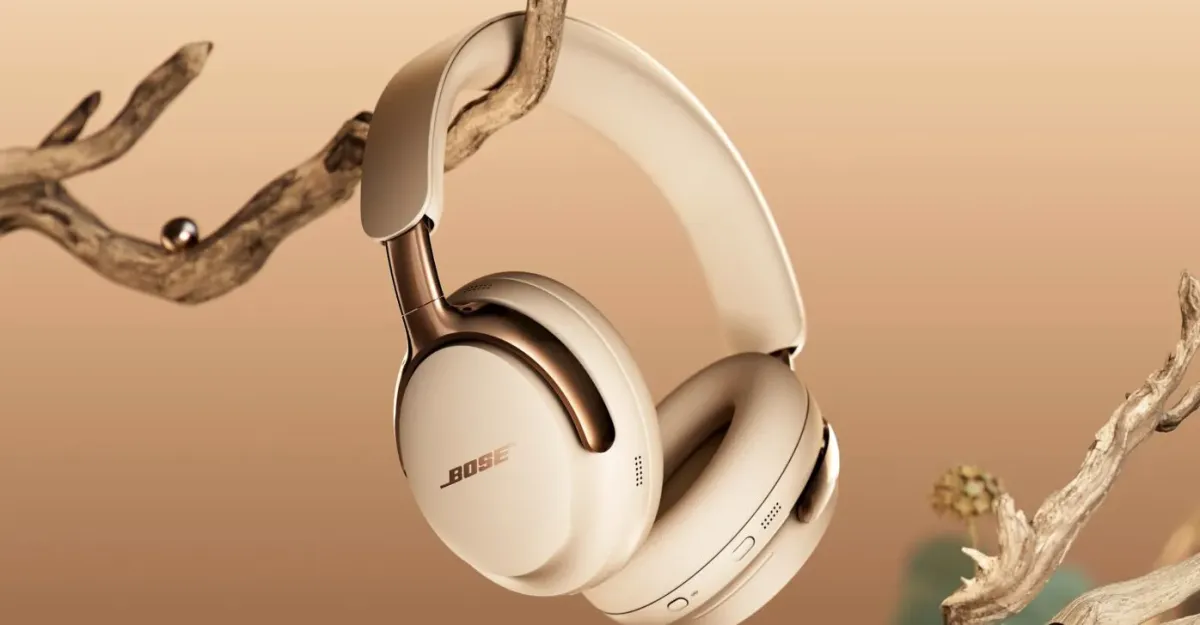

Corporate-backed record labels launched by companies with little natural connection to the music business have a long, ugly track record. Bose is betting it can avoid joining that list. It appears to be eyeing a Red Bull-style leap into culture and content, and while an audio brand has a more credible reason to enter music than, say, Build-a-Bear, there is still scant evidence that Bose can succeed where many brand-led music experiments have stumbled.
Speaking with Business Insider, Bose chief marketing officer Jim Mollica said the company launched Bose Studios as part of a broader shift away from conventional “campaign-driven marketing.” A centerpiece of that effort will be Bose Records, a new imprint designed to “help break underappreciated or new artists.” Its rivals won’t really be the major-label giants — Sony, UMG and Warner — but independent labels already under pressure from bedroom producers, direct-to-fan tools and self-distribution platforms.
Mollica was also fairly candid about the underlying business logic: Bose wants to build a catalog of music it can use in advertising without paying outside licensing fees. He said the company would not own artists’ masters, would not take a cut of streaming or sales revenue, and would allow artists to sign elsewhere. On paper, that sounds unusually artist-friendly — and that is a meaningful point in its favor. Still, plenty about this new venture remains unclear.
Bose is best known for consumer audio products that often market themselves with premium polish. Many audiophiles would argue the company’s gear is expensive and, at best, merely serviceable. What Bose has consistently excelled at, however, is branding. But persuading consumers to buy Bluetooth speakers at a premium is not the same as identifying promising musicians and building careers. Mollica did not point to major A&R hires from established labels or a high-profile celebrity rollout, though he did say “legendary Hollywood names” are involved in films and TV series being developed through Bose Studios.
That raises a separate concern: Bose may be trying to do too much at once. Building a record label from scratch is difficult enough. Why would a company whose core expertise is audio hardware manufacturing assume it can simultaneously create a film studio, a podcast network and a live-events production business? According to Business Insider, Mollica said all of those efforts are in development.
Yes, Bose can make a stronger case for entering music than many failed corporate side quests because audio is at least central to its brand. But other attempts often arrived with celebrity backing, major-label partnerships or a clearly defined cultural angle. Bose Studios, by contrast, risks coming across as scattered — and more than a little desperate.