Share this @internewscast.com
Key Points
  • Out of 78,092 children accessing specialist homelessness services in 2023-24, 13,301 were without adult accompaniment.
  • Australia has not previously reported statistics specifically on unaccompanied homeless children.
  • Advocates are calling for a national strategy to identify children at risk of leaving their homes.
New data released on Tuesday reveals nearly one in five individuals seeking help from specialist homelessness services (SHS) in Australia were unaccompanied minors.
The Australian Institute of Health and Welfare (AIHW) data indicated over 13,300 (17 percent) of these service clients in the 2023-24 year were aged between 12 and 17.
A leader of an organization running two shelters for children aged 12-15 in Tasmania shared with SBS News that they have encountered children as young as 10 seeking assistance.
Di Underwood, CEO of the Tasmanian youth homelessness group Home Base, mentioned the root causes of child homelessness need addressing and that it wasn’t just a matter of a shortage of housing.

“When discussing a 12-year-old needing shelter, the physical building is the least of our concerns,” she remarked.
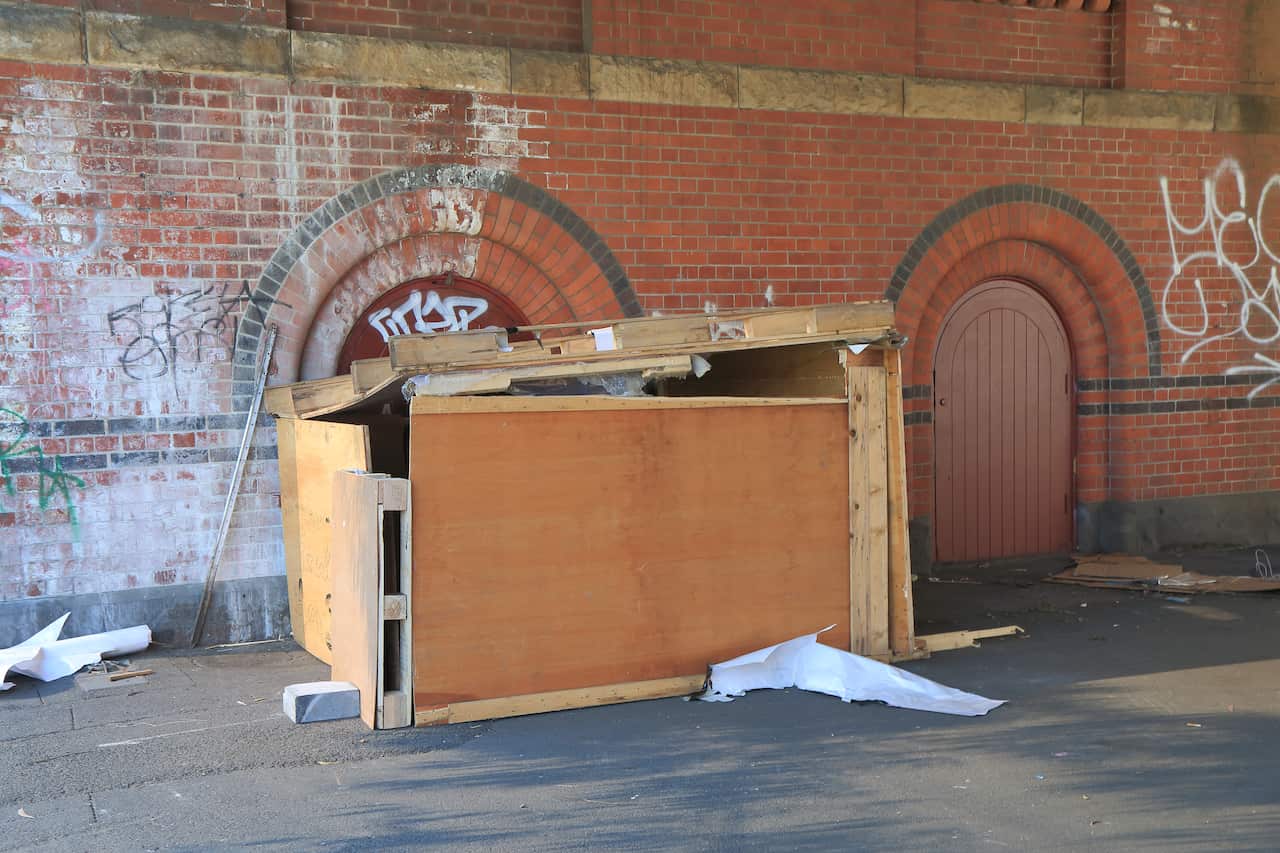
A makeshift shelter made from ply-board against a brickwall.

Children without homes often flee harmful environments but, as unaccompanied minors, they face further dangers. Source: Getty / TkKurikawa

Catherine Robinson is a communities and social justice associate professor at the University of Tasmania. She told SBS News she was hopeful the release of this data would prompt action as child homelessness in Australia had been “invisibilised” until now.

The data that has been released had not been broken down this way previously.
“AIHW has traditionally only reported and referred to ‘young people’ as being unaccompanied, and have reported on ‘children’s homelessness’ and included that as part of children who might be homeless with their parents,” she said.
“So this is a really significant moment in which one of our lead national institutions is finally properly recognising that children are experiencing homelessness without a parent or guardian.

“It’s the first occasion they’ve produced an independent report using the term ‘unaccompanied homeless children,’ focusing on records specific to this group.”
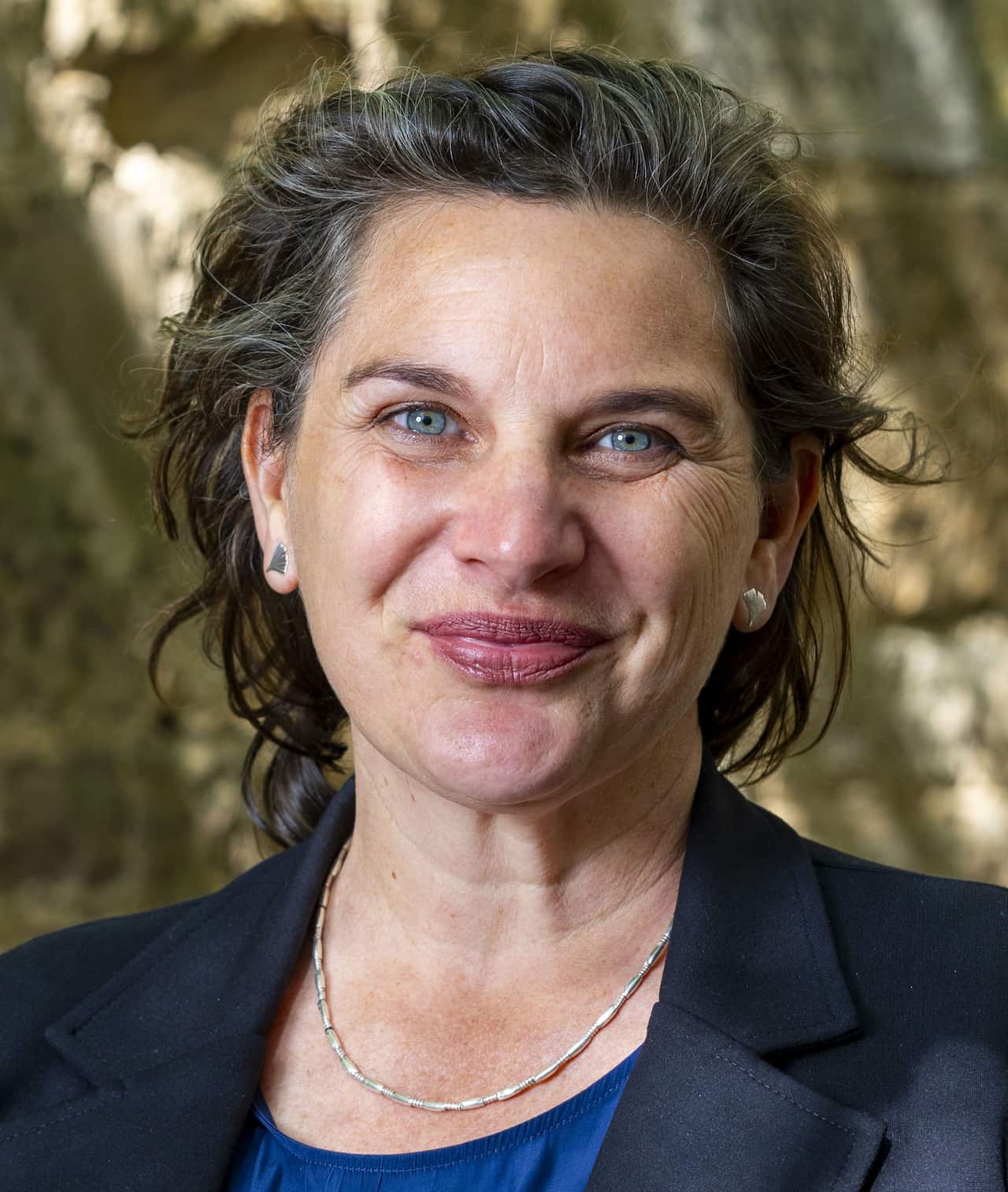
A smiling woman wearing a blazer.

Catherine Robinson, associate professor in communities and social justice at the University of Tasmania, has praised the release of this data from the Australian Institute of Health and Welfare. Source: Supplied / Richard J Ho, Minch Media

She said this had influenced people’s perception of homelessness in Australia.

“They think about young people, and they might assume, well, they might be over 18, they might have access to independent income, they can apply for a rental,” she said.

“Previously, discussions of youth homelessness have overlooked the specific problem of child homelessness, allowing governments and the community to evade responsibility,” she commented.

Factors influencing and the trauma of child homelessness

Underwood said for Home Base staff, “the biggest issue by far that we see is family breakdown and family domestic and sexual violence is the reason young people turn up”.
That is also what the AIHW data has shown, with 42 per cent of unaccompanied children identifying interpersonal relationships as the main reason for seeking assistance.
“These young people are homeless because their homes, where their parents are, are not safe places,” she said.
Underwood described how experiencing homelessness as a child could cause further trauma.

She pointed out that once a child experiences unaccompanied homelessness, they are exposed to other youths and circumstances “they likely shouldn’t be.”
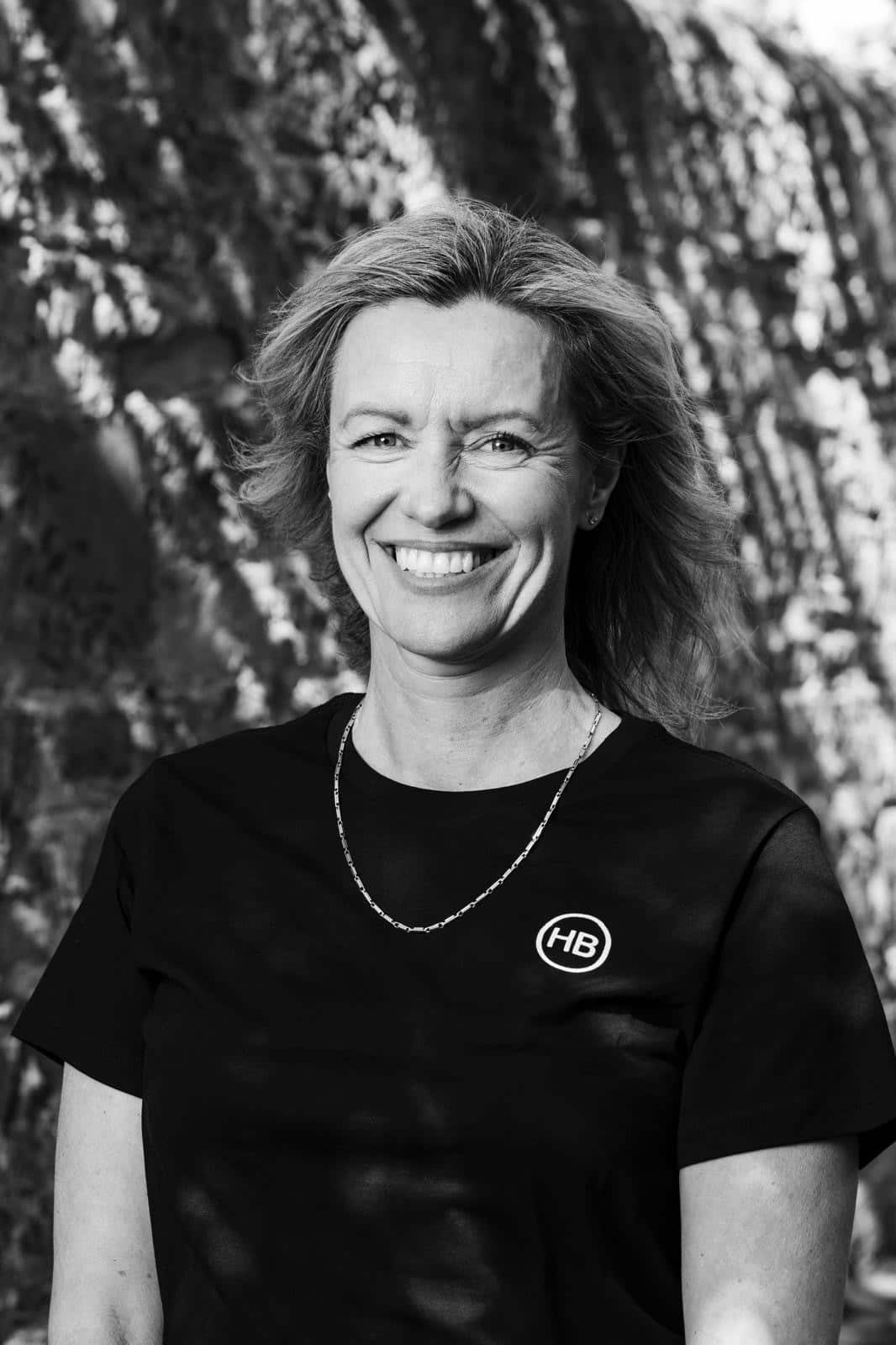
Black and picture of a smiling woman wearing a t-shirt.

Home Base chief executive officer Di Underwood says staff within the Tasmanian-based service dealt with unaccompanied children who were experiencing homelessness, as young as 10 years old. Source: Supplied

Robinson said there was a shortage of crisis care available for children to access, and “if our governments don’t want to provide safe accommodation for our children, there are other people in the community who do provide that accommodation, and they’re not the kind of people that we’d want children to be staying with.”

“That could include violent peers and exploitative partners, it’s very common for girls, you might have a 14-year-old staying with their 19 or even 24-year-old boyfriend and they’re completely dependent on that young man for their accommodation, so lots of girls report absolutely horrific intimate partner violence because they’re entirely trapped,” she said.

“Then you have criminal networks who might offer kids a place to crash in exchange for helping them move drugs, something I definitely see in my research.”
Robinson said there was a “fundamental misunderstanding” of the role government child protection departments play with homeless children.
“It’s a highly residualised and specialist service; it is not universally available, you have to meet particular evidenced and legally prosecuted grounds to be removed [from a home] and provided with alternative care in the out-of-home care sector,” she said.

“We want to see that that process is extremely rigorous, I’m not suggesting it shouldn’t be, but that tells you that there’s a particular threshold and definition of which children will be offered out-of-home care, homelessness in itself does not ensure a child meets the threshold for a child protection response,” Robinson said.

Statistics only show part of the problem

She said the number of unaccompanied children experiencing homelessness was likely far higher than the 13,301 accounted for in the AIHW statistics, as it only showed the number of children who presented to services.
“If those relevant services don’t exist in many states and territories, then clearly you’re not getting the number of children in Australia who are experiencing this,” Robinson said.
Robinson said only Tasmania and NSW “provide significant shelter accommodation in the specialised homeless service system for homeless children”.

Therefore, whilst she said the data provided “a great indicator, it’s not a representation of the reality of this issue”.

Addressing child homelessness

Robinson said: “what we need is a very distinct conversation about what unaccompanied child homelessness is, and what drives it, as distinct from adult homelessness”.
She said while housing stock would be playing a role in overall homelessness, “when we talk about unaccompanied child homelessness, we are talking about very different main drivers of that homelessness, which is really around family conflict, relationship breakdown, abuse, neglect and violence.”
“In terms of thinking about what does a good response look like? It’s not about housing affordability, it’s about family support, addressing family poverty.”

Robinson said early intervention mechanisms, particularly in schools and health services were required for the early identification of families and children individually who might be struggling and “on a pathway to having to exit home early because those family relationships are broken down”.

Homelessness Australia wants to see a national action plan on child homelessness.
The organisation’s chief executive Kate Colvin said systems that identified children at risk need to be established.
“Put in place the protections so they don’t become homeless, but also deliver rapid responses to children if they do become homeless, so that they immediately have a safe environment and the support they need to find a pathway into a safe home and with the care that they need,” she said.
“It’s not clear that they’ll identify child homelessness as a separate issue and with a separate response within that overall plan,” Colvin said.
“What we’re calling for is within that plan that children who are homeless be separately identified and separate systems put in place to respond to them, because the responses are really different.”

She said while homelessness in terms of adults was about having physical housing stock and providing the support for individuals to be able to manage a tenancy “when we’re talking about children who are homeless, particularly young children, it’s about providing a pathway for them into an environment where they’re getting the care they need, you can’t set a 13 year old up in a tenancy.”

Poor outcomes for children experiencing homelessness

Of the unaccompanied children who sought support, just 19 per cent were able to escape homelessness during the period they were accessing such services.
Also part of the AIHW data release were statistics that showed children who received support from an SHS accounted for one in 13 deaths among Australian children from 2012-13 to 2022-23.

Colvin said this highighted the “shocking risks” that children face when they are homeless.

A woman with short, grey hair, smiling.

Homelessness Australia chief executive Kate Colvin wants to see a national action plan on child homelessness created to address the issue affecting thousands of Australian children every year. Source: Supplied

“Before they’ve come to a homeless service, generally, they’ve had really traumatic experiences, then they come into homelessness, and often have further traumatic experiences of not getting the help they need around violence and exploitation,” she said.

“Devastating mental health outcomes are a consequence of that, we can see that in the deaths report where we’ve lost 520 children in 10 years, that’s about one a week, and the leading cause of death is suicide.”

Minister for Homelessness and Housing Clare O’Neil has been contacted for comment.
Share this @internewscast.com
You May Also Like

States Push Back on NDIS Changes Amid Concerns Over Financial Burden

In brief: The federal health minister has announced a raft of changes…
The rugby community in Waikato, New Zealand has been thrown into mourning by the sudden death of sportswoman Courtney Johansen (pictured)

Football Community Honors Cherished 29-Year-Old Coach Following Tragic Loss of Her and Unborn Child Due to Undiagnosed Health Issue

Heartfelt tributes have emerged for a New Zealand athlete who tragically passed…
Eddie Osei-Nketia has recorded the fastest-ever 100 metre sprint time by any Australian in history

Meet the Record-Breaking Aussie Sprinter Who Achieved Lightning Speed Chasing His American Football Dream

Australia’s sprinting scene has found a new star in Eddie Osei-Nketia, who…
Paolo Zampolli is a long-time friend of Donald Trump.

Trump Envoy Proposes Bold World Cup Swap: Italy to Replace Iran in Global Tournament

Paolo Zampolli, acting as a special envoy for global partnerships, recently shared…
Aussie scientists develop injectable treatment to help flat-nosed dogs breathe easier

Revolutionary Injectable Treatment by Aussie Scientists Offers New Hope for Flat-Nosed Dogs’ Breathing Issues

Short-nosed dogs could soon be able to breathe easier thanks to a…
Police injured in night of chaos in Sydney's south-west

Chaos Erupts in Sydney’s South-West: Police Injured Amid Night of Unrest

A tumultuous night unfolded across Sydney’s suburbs, leaving two police officers injured…

Surge in Rodent Population Poses New Challenges for Australian Farmers

in brief Mouse numbers are thought to have hit plague proportions in…
Disney + informed Australian customers of the price change in an email today.

Disney+ Shakes Up Streaming with Another Price Hike: What Subscribers Need to Know

Australian Disney+ subscribers are set to pay more for their streaming plans…
The Budget is setting aside $90.6million to boost the number of skilled workers in the construction sector (pictured are construction workers at Parramatta in Sydney's west)

Federal Budget 2024: Critics Label It as Vote-Buying Strategy, While PM Remains Tight-Lipped on Election Date

Anthony Albanese is sidestepping inquiries about the possibility of an early election,…
Charlotte MacInnes

Actor’s Emotional Court Testimony Involving Rebel Stirs Controversy

A young actress recently fought back tears while recounting her experiences with…
Lee Lovell (right) has opened up about life without his beloved wife Emma (left), who was stabbed to death on Boxing Day 2022

Emma Lovell’s Tragic Stabbing: Lee Lovell Reflects on Wife’s Death at North Lakes Residence and the Two Words That Altered Their Family’s Future

A heartbroken husband has spoken about the devastating moment his world was…

Renters Reach Breaking Point Amid Significant Market Shift

Brief Renters have hit an affordability ceiling, signalling a market shift, according…