
The federal government has stepped in to mediate a longstanding conflict over the dwindling resources of the Colorado River, involving seven Western states and 30 tribal nations. This intervention comes as negotiators have repeatedly failed to meet deadlines for establishing a new water management agreement.
The Colorado River is a crucial lifeline, providing drinking water and irrigation to tens of millions across the Western United States. However, its water distribution system, governed by century-old agreements, is increasingly strained by persistent droughts and diminishing reservoir levels.
For nearly 20 years, interim guidelines have been in place to manage water shortages, but these are set to expire at the end of this year. With the states unable to reach a consensus, the Department of the Interior is taking action with a proposed plan, aiming to finalize new regulations by October 1.
In Yuma, for example, farmers depend almost entirely on the Colorado River to irrigate their crops. The stakes are high, as this river is a critical resource for agriculture in the region. As discussions continue, Interior Secretary Doug Burgum expressed optimism, stating that he remains hopeful a fair compromise can still be achieved.
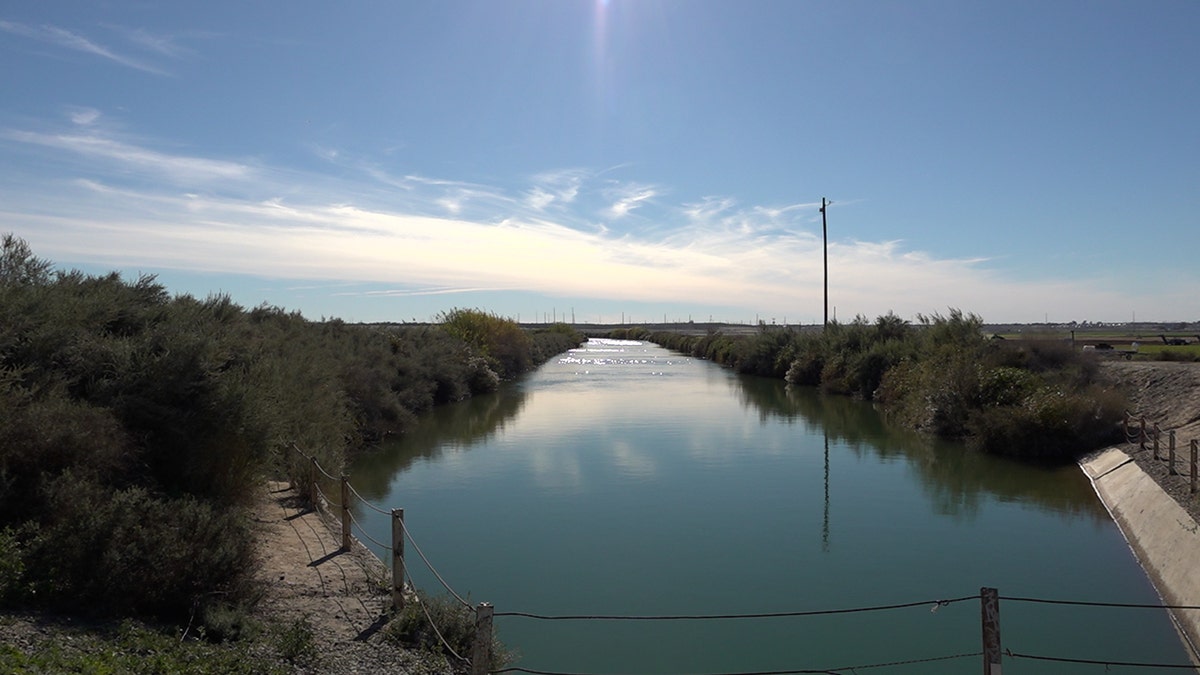
Farmers in Yuma rely almost entirely on the Colorado River to water crops. (Amalia Roy)
Interior Secretary Doug Burgum said in a statement that he believes a fair compromise is still possible.
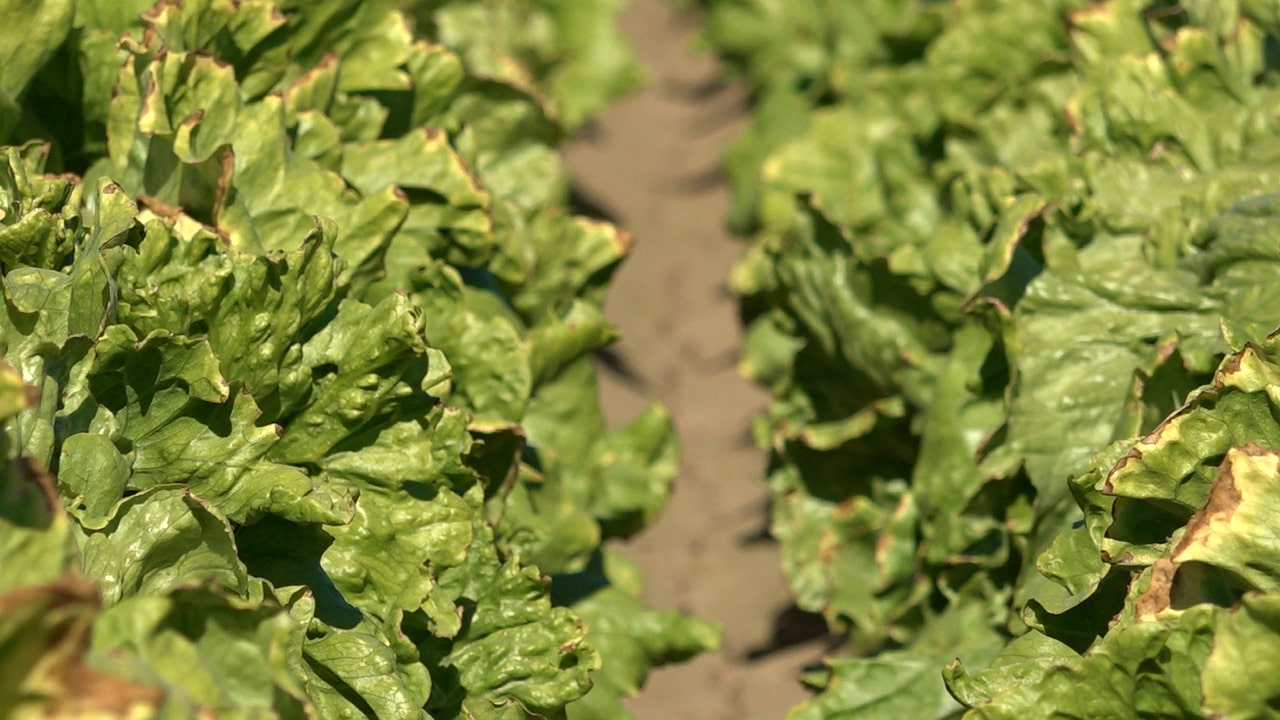
Yuma, Arizona, is known as the “winter lettuce capital of the world.” The region produces about 90% of the nation’s leafy vegetables during the winter months.
“We also pick up cabbage, and broccoli, and cauliflower, the whole salad bar, if you will,” said John Boelts, president of the Arizona Farm Bureau.
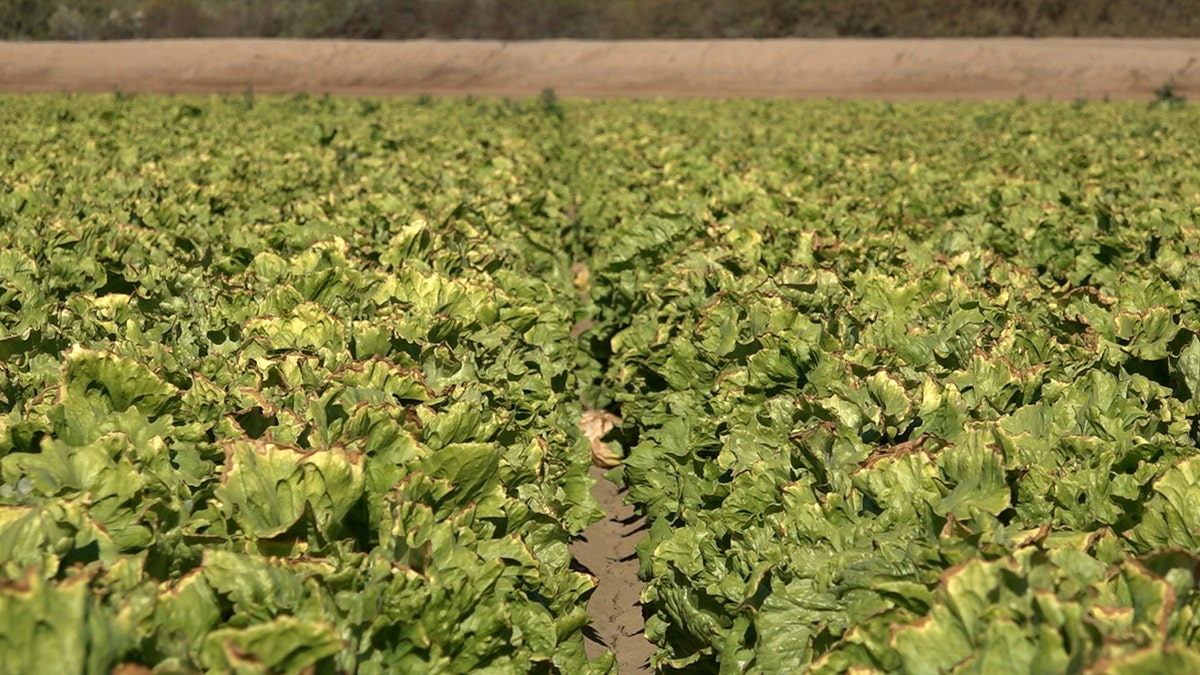
Yuma farmers harvest winter lettuce from November through April. (Amalia Roy)
Farmers in the region rely almost entirely on Colorado River water for irrigation and face potentially steep cuts under future agreements.
“We do have groundwater available, but it’s not of good enough quality,” Boelts said. “We don’t even use it for irrigation. We use Colorado River water. It really makes the crop. We really can’t get by without it.”
The Colorado River system is divided into two regions, the Upper Basin, which consists of Wyoming, Colorado, Utah and New Mexico, and the Lower Basin, which is Arizona, Nevada and California.
Under current rules, Upper Basin states are not required to reduce water use when reservoir levels fall. They have resisted new mandatory cuts in future agreements, arguing they already reduce usage during dry periods.
“The lower basin is saying, ‘Come on. You know this system administration is a supremely overallocated system that doesn’t really have reference to getting water into Lake Powell,’” said Sarah Porter, a water policy expert.

There are seven states in the Colorado River Basin. The negotiations are stalled by disagreements between the Upper and Lower Basin states. (Amalia Roy)
Arizona has already absorbed some of the deepest cuts in recent years. Farmers in Yuma say they are doing what they can to conserve water, carefully managing irrigation and limiting usage.
“We only give the crop what it needs,” Boelts said. “We haven’t irrigated this field in about two weeks.”
Still, uncertainty over future water allocations is making it difficult for farmers to plan next year’s crops.
Boelts said he remains hopeful that a deal can be reached before the current guidelines expire, but acknowledged the stakes are high for agriculture and communities across the region.