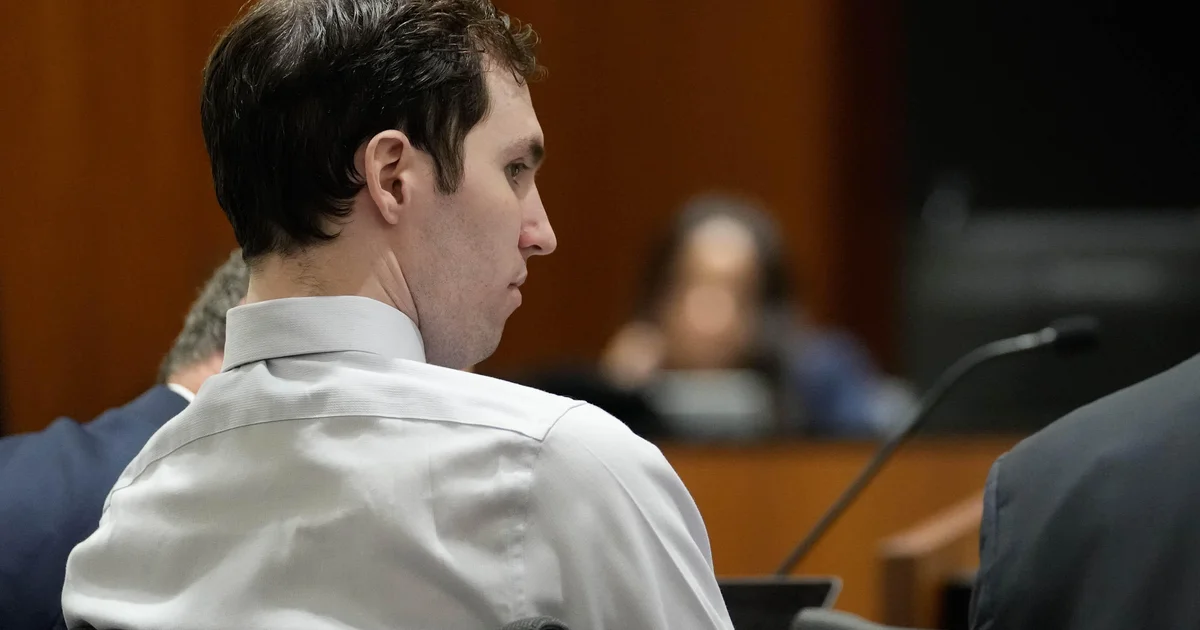

A Utah judge ruled Monday that the former roommate of Tyler Robinson, the suspect charged in Charlie Kirk’s murder, will not be required to appear in person at an upcoming preliminary hearing. The decision rejected a request from Robinson’s defense team, with the judge noting that any questions about the credibility of the roommate’s testimony can be addressed later if the case proceeds to trial.
Judge Tony Graf issued the ruling during a Monday morning hearing, emphasizing that a preliminary hearing is meant to determine whether prosecutors have presented enough evidence to move forward to trial — not to decide guilt or innocence.
Graf also delayed until Friday a decision on whether prosecutors should face sanctions over remarks made to the media about a bullet fragment recovered from Kirk’s body. Defense attorneys had asked the judge to bar prosecutors from seeking the death penalty, arguing that the public comments could influence prospective jurors’ views of Robinson’s guilt.
Robinson, 23, has not entered a plea. He faces an aggravated murder charge in the Sept. 10 killing of Kirk, a prominent conservative activist and close ally of President Trump. Kirk was shot in the neck while speaking to a crowd of thousands at Utah Valley University.
Prosecutors have said DNA consistent with Robinson’s was found on the rifle’s trigger, a fired cartridge casing and two unfired cartridges. They have also alleged that Robinson texted his roommate, who was also his romantic partner, saying he targeted Kirk because he “had enough of his hatred.”
Robinson’s attorneys said in court filings in May that a bullet fragment recovered during Kirk’s autopsy could not be definitively matched to the rifle found near the shooting scene, citing an analysis by the Bureau of Alcohol, Tobacco, Firearms and Explosives. The defense asked Graf to postpone the preliminary hearing, initially scheduled for May, to allow more time to review evidence, including the bullet analysis.
The defense also sought to prevent prosecutors from using the roommate’s recorded statements at the preliminary hearing, which is scheduled to begin July 6. Robinson’s lawyers argued that the roommate should testify in person so their client could exercise his right to confront witnesses and challenge their credibility. Graf denied the request, saying that stage of scrutiny belongs later in the process.
“The Utah Supreme Court has repeatedly emphasized that a preliminary hearing is not a trial on the merits, but a gateway to the finder of fact,” Graf said. If the case goes to trial, he added, it will be up to a jury to determine whether a witness is credible.
The case has attracted widespread attention, and online speculation and conspiracy theories grew after the defense team disclosed in public court documents that initial tests were inconclusive to determine whether the bullet was fired from the suspected murder weapon.
ALSO READ: Lawsuit Claims Unstable Park Monument Crushed 3-Year-Old Boy
Conjecture over that evidence fueled unsubstantiated conspiracy theories that there might have been a second shooter, or that his death was staged. Attorneys on both sides have raised concerns that the misinformation and extensive media attention could taint the potential jury pool.
Graf held a hearing earlier this month over whether prosecutors should be held in contempt for their comments about the bullet.
Robinson’s attorneys accused prosecutors, including Deputy Utah County Attorney Christopher Ballard, of trying to influence potential jurors by going on a “media tour” to talk about ballistics evidence in the case.
Ballard argued at the June 12 hearing that he didn’t speak to the media about case specifics, and he only remarked generally about how ballistics testing can be inconclusive.