
The Supreme Court on Monday declined to let President Donald Trump’s proposed mail-ballot restrictions take effect for now, ending a burst of last-minute litigation as midterm voting was already getting underway.
The order means states can continue mailing ballots through the procedures they have relied on for years.
Justices Samuel Alito and Clarence Thomas dissented from the short ruling. Justice Brett Kavanaugh agreed that the changes should be paused for the midterm elections, while signaling that he could ultimately side with the Trump administration in the broader legal fight.
The administration had returned to the Supreme Court, which has again become a focal point in a heated political dispute, seeking approval to impose the new requirements ahead of the November races for control of Congress. The stakes are substantial: nearly one in three Americans casts a ballot by mail.
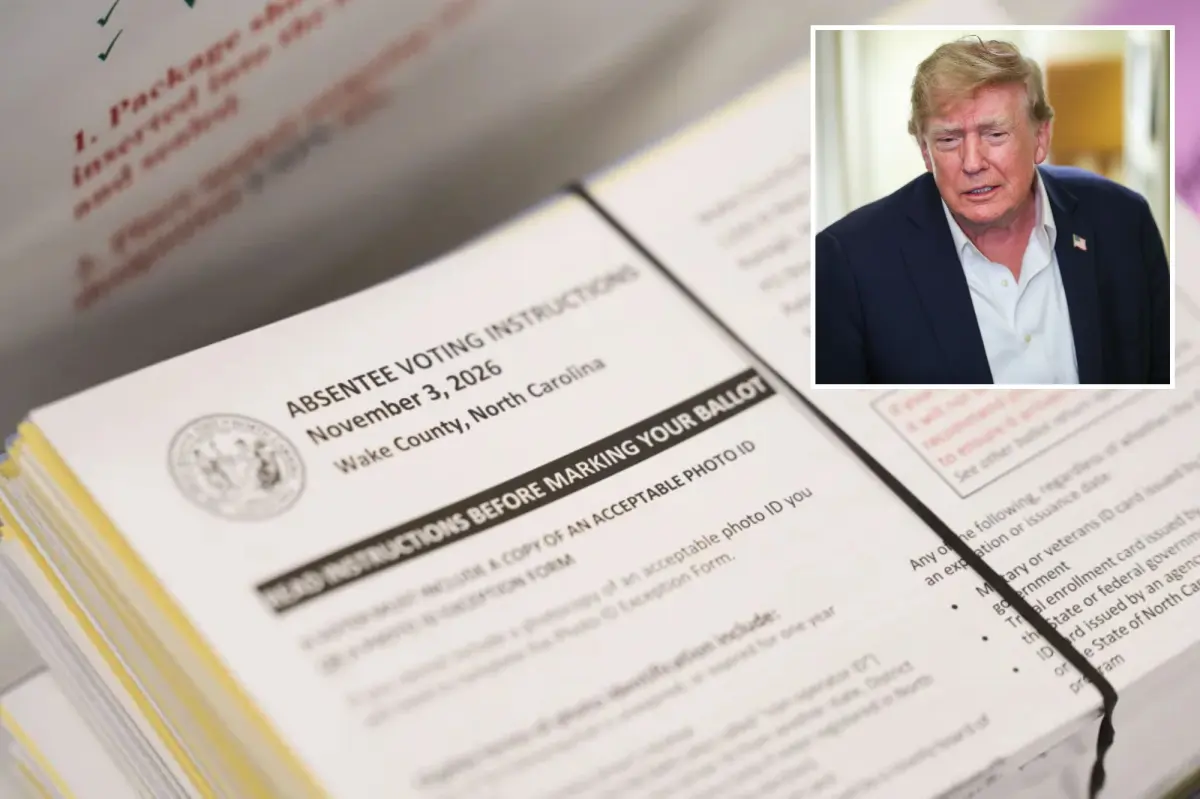
Election administrators warned that redesigning the system just weeks before the midterms was not feasible. Alabama, North Carolina and Wisconsin had already begun sending mail ballots during the previous week, even though the proposed replacement system was not yet operational.
Under the Trump administration’s proposal, states would have to use a standardized envelope and upload voter eligibility lists to an online portal. The Postal Service would then have authority to reject ballots from states that failed to meet the requirements.
A whistleblower report raised additional concerns, warning that flaws in the postal system’s process could prevent millions of ballots from being delivered. The report said the portal was inadequately developed and that one barcode mistake could cause an entire shipment of ballots to be discarded.
Democratic state leaders and voting rights organizations sued to block the restrictions, contending that the president lacks constitutional power to impose election rules that would “virtually eliminate mail voting on the eve of a major election.”
Several lower courts sided with the challengers and stopped the plan, including through a preliminary injunction issued by a judge appointed by Trump.
The administration appealed, arguing that its authority over the Postal Service allowed it to establish rules for processing mail ballots and that states could comply with the proposed system.

The Supreme Court previously ruled in the federal government’s favor on a procedural issue, but the justices deliberately left the central question—whether the restrictions are lawful—undecided.
Trump has repeatedly criticized mail voting and falsely attributed his 2020 loss to Democrat Joe Biden to the practice, despite using mail ballots himself, including as recently as this year.