
Investigators found that nearly 80 detainees at the facility, which has since closed, were confined in small metal enclosures for periods lasting up to almost two hours.
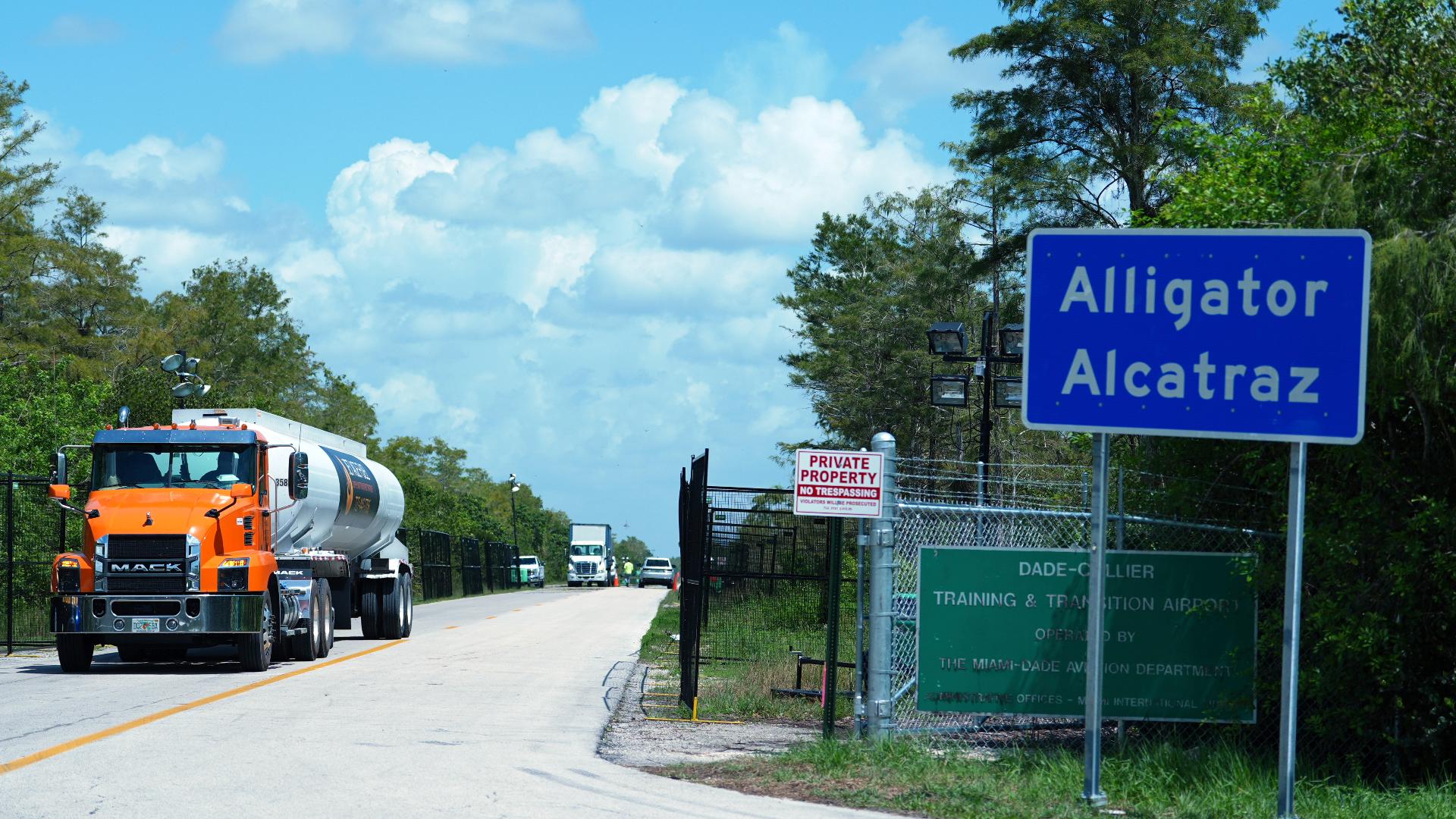
OCHOPEE, Fla. — A federal watchdog has identified a series of violations at Florida’s former immigration detention center known as “Alligator Alcatraz,” citing deficiencies in medical treatment, food services, sanitation and detainee housing.
The Department of Homeland Security’s Office of Inspector General carried out an unannounced inspection of the Florida Soft-Sided Facility in Ochopee on Jan. 21, 2026.

Inspectors said facility employees could not clearly explain which detention standards governed their operations. According to the OIG, that uncertainty raises the possibility that detainees will not receive the care and services they are entitled to receive.
The inspection concluded that the facility fell short of standards covering health care, nutrition, safety and recreation. It met the applicable requirements for intake procedures and the use of force.
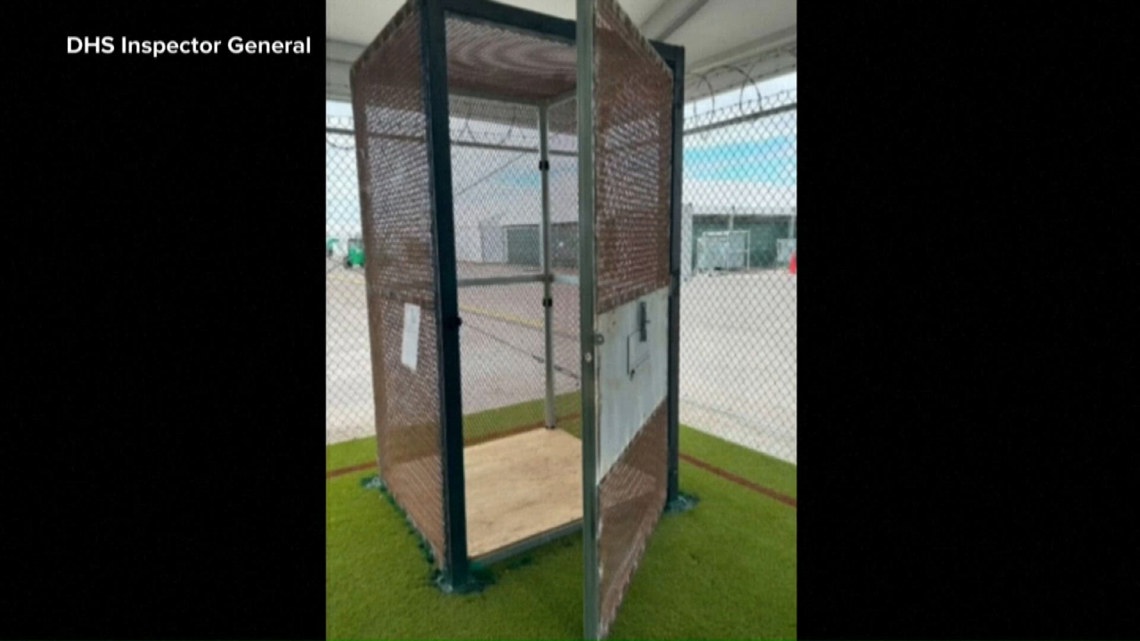
The report’s most serious concerns centered on the facility’s use of small metal enclosures.
Facility records indicated that 79 detainees were placed in the enclosures between July 17, 2025, and Jan. 18, 2026. Each space measured roughly 18 square feet, and detainees remained inside for periods ranging from a few minutes to nearly two hours.
Officials characterized the areas as holding cells designed to allow detainees to reflect on their conduct, regulate their emotions and relieve stress. A supervisor was required to authorize their use, and no detainee was supposed to remain inside for more than two hours.
The OIG said it had never encountered the use of similar metal enclosures at any other detention facility it inspected. Investigators warned that the spaces posed substantial risks to detainees’ health and safety and recommended ending their use.
Inspectors also documented concerns involving drinking water, food storage and access to showers.
Detainees told investigators they did not consistently have access to clean drinking water and that showers contaminated by insects were available only three days each week. The OIG also found a freezer operating at a temperature above the recommended limit, warning that improper storage of perishable food can increase the risk of foodborne illness.
The facility also lacked standardized documentation for tracking detainees who could be experiencing drug or alcohol withdrawal. The absence of those forms made it harder for medical personnel to consistently evaluate symptoms and create individualized treatment plans, the report said.
Florida Gov. Ron DeSantis was questioned about the findings Monday at an unrelated news conference.
“I think some of this stuff is going to be characterized in a certain way no matter what,” DeSantis said. “But I can tell you when they set it up, their goal was not only to meet the federal standards but to exceed the federal standards.”
In a statement, DeSantis communications director Alex Lanfranconi defended the use of the confinement areas, saying:
“At least ten million illegal aliens entered our country under the Biden administration. Florida decided to do something about it. The left-wing media wants to focus on a confinement area for violent criminal aliens who have proven they cannot remain peaceful while awaiting deportation. While it adheres to all federal standards for criminal confinement, we’d make it even smaller if we could.”
The OIG report, however, found the facility did not comply with several applicable standards.
State Rep. Angie Nixon, a Democratic lawmaker and Senate nominee who was among several lawmakers previously denied access to the facility, said the findings were disturbing.
“Knowing that they locked people up in these small cages outside in the sun where mosquitoes are ravaging people down in the Everglades and they left them there for hours is reprehensible,” Nixon said.
“It’s so ridiculous, it’s so inhumane and that is why we wanted Alligator Alcatraz, the Everglades Detention Center, shut down in the first place,” she said.
The OIG made 10 recommendations to address conditions at the facility, including ending the use of the small metal enclosures, improving access to recreation and legal materials, addressing medical monitoring and improving food and hygiene practices.
But because the facility closed in June 2026, the OIG administratively closed all 10 recommendations.
The Department of Homeland Security said Florida maintained authority over the facility’s day-to-day operations and that the federal government did not have a contract with the state to manage the detention space.