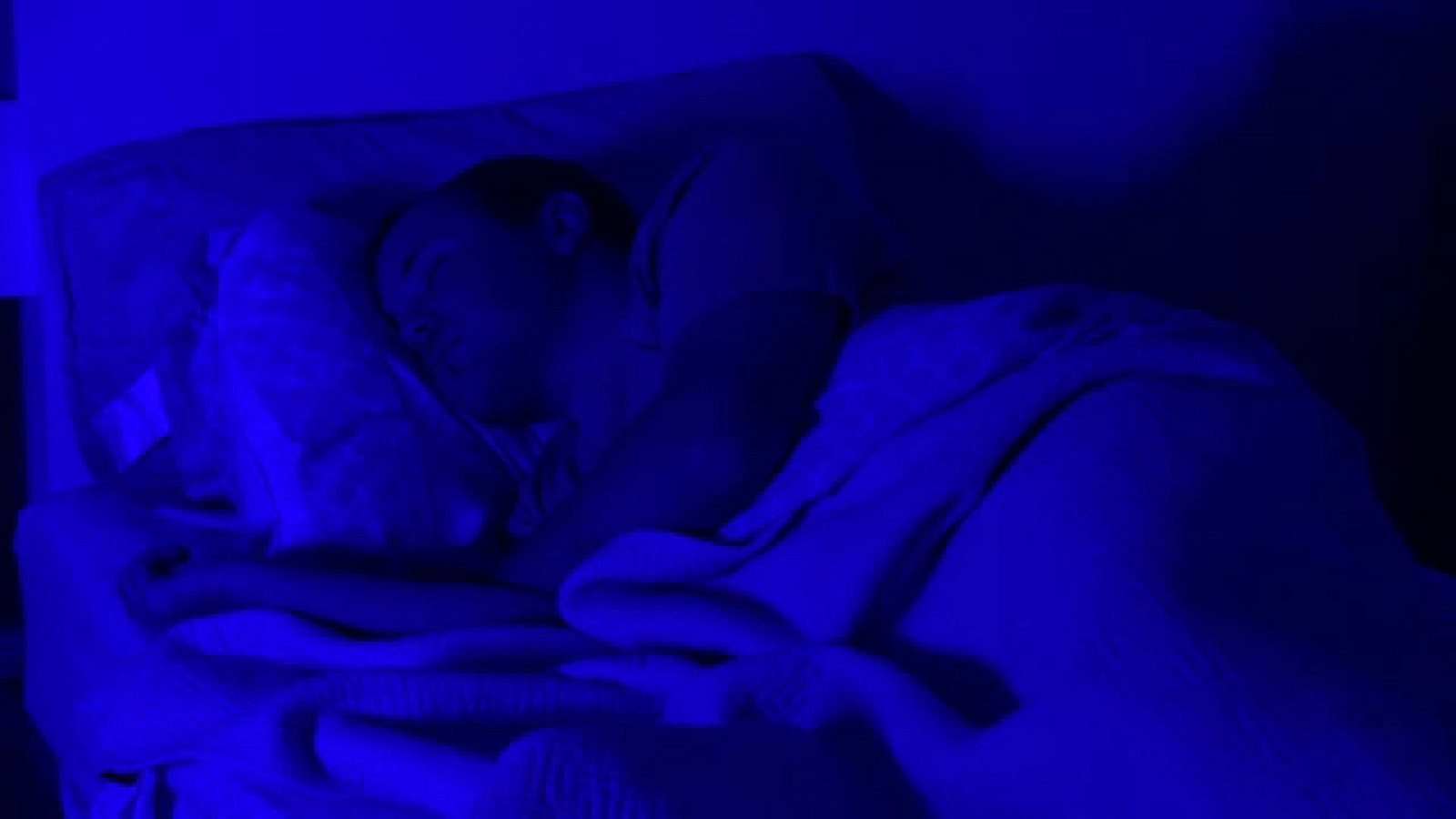

A new study suggests that insomnia may be associated with a higher risk of stroke, dementia and several mental health disorders.
Scientists from Austria, Germany, Italy and Switzerland reviewed about 20 large-scale studies involving millions of people from countries around the world to examine the broader health effects of insomnia.
Their analysis, published Sunday in the journal Sleep Medicine Reviews, found that insomnia was associated with a 26% greater risk of stroke.
The review also found that people experiencing insomnia were more likely to develop depression and to attempt suicide than those who did not report the sleep disorder.
According to the National Institutes of Health, insomnia is the most common sleep disorder in the United States. It can involve difficulty falling asleep, staying asleep or getting restorative, high-quality rest.
The researchers further reported that individuals with insomnia had almost 30% higher odds of being hospitalized for any reason.
“Insomnia deserves attention as a warning sign of the status of brain and mental health,” Luca Vignatelli, the study’s lead author and a senior researcher at the IRCCS Institute of Neurological Sciences in Bologna, Italy, told ABC News.
Experts told ABC News that sleep problems are frequently missed or minimized when doctors and patients address mental health concerns.
“When you have anxiety or depression, it makes it difficult to fall or stay asleep, or it gives you poor sleep. But then when you don’t sleep well, it increases that risk of anxiety and depression,” said Dr. Thanuja Hamilton, a board-certified sleep medicine physician at Advocare. “When you don’t sleep well, you’re more irritable, you’re more anxious, you’re less resilient to stress, and so you’re vulnerable to depression and anxiety, and that can make it harder to sleep.”
The review also identified an association between insomnia and dementia, including Alzheimer’s disease.
The NIH says sleep appears to help the brain remove waste products that are associated with impaired brain function and Alzheimer’s disease.
“When you sleep, that’s when your brain takes out the trash,” Hamilton said, describing waste that can build up during the day. “If you’re not getting good quality sleep or enough of it, then you’re going to have an excess buildup, increasing that risk of dementia down the line.”
The researchers stressed that their findings demonstrate links, not proof that insomnia directly causes stroke, dementia or the other health conditions examined.
“I would like to emphasize that people should not be frightened by these results. An increased risk at the population level does not mean that an individual with insomnia will develop dementia, depression or have a stroke,” Dr. Stefan Seidel, a study co-author and neurology professor at the Medical University of Vienna, told ABC News. “Instead, the findings give us another reason to take persistent sleep problems seriously, identify possible underlying causes and provide evidence-based treatment when appropriate.”
IN CASE YOU MISSED IT: VIDEO: Shocking Footage: Flydubai Flight Plunges 17,000 Feet in Panic!
What can people do to improve their sleep?
Experts say simple bedtime changes, including making the bed each day, keeping the bedroom cool and switching off the lights before going to sleep, may support better rest.
Maintaining a regular sleep and wake schedule is considered one of the most valuable habits for healthy sleep.
“Our circadian rhythm, our internal clock, it likes consistency,” Hamilton said. “If you are inconsistent with your sleep, then you confuse your brain. It doesn’t know when to start sleep or when to stop sleep.”
For a more sleep-friendly routine, experts recommend putting away distractions such as televisions and smartphones 30 to 60 minutes before bedtime. They also advise avoiding coffee and alcohol late in the day or evening.
“You go down that rabbit hole when you get on the phone,” Hamilton said. “It might distract you, but it’s not relaxing you.”
Insomnia can also create a cycle of worry, as people become increasingly anxious about whether they will fall asleep—anxiety that may further intensify the problem.
“The harder you try to sleep when you have insomnia, the harder it is to sleep,” Hamilton
Experts say sleep should become a more routine part of conversations about overall health.


