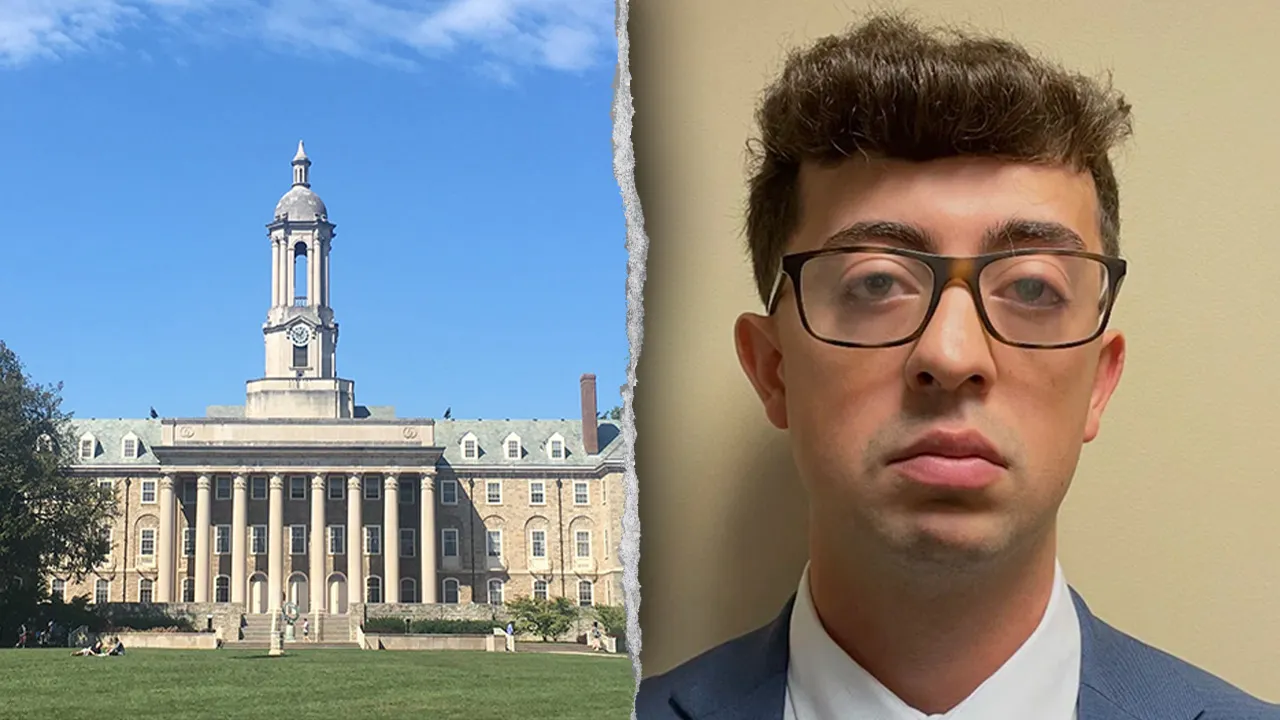

Tip of the iceberg: Penn State coke bust exposes rapid rise in synthetic stimulant use
A major drug investigation at Penn State is highlighting a troubling reality on college campuses: substances associated with partying can be part of sophisticated distribution networks. As authorities dismantled a student-led dealing operation in State College, Centre County drug and alcohol specialist Cathy Arbogast discussed the growing presence of synthetic stimulants in rural communities across Pennsylvania.
Five men accused of participating in a cocaine distribution network at Penn State have filed court documents indicating they plan to fight the charges in Centre County, Pennsylvania.
Agostino Abbatiello, Mohammed Huraibi, Robert Zanolla, Thomas Robinson and Paul Robinson have each indicated that they intend to plead not guilty as their cases proceed. Their decisions follow testimony describing kilogram-sized cocaine purchases and a packaging operation inside a fraternity house, although one defense attorney cautioned that it would be “foolish” to reach conclusions before reviewing the evidence.
The Office of the Court Administrator said all five defendants waived formal arraignments scheduled for Wednesday and will not appear at the Centre County Courthouse. They are due back in court Nov. 16 for a pretrial conference.
Abbatiello, Zanolla and Thomas Robinson requested jury trials in their waiver forms. Huraibi and Paul Robinson also indicated they plan to plead not guilty but did not choose between a jury trial and a non-jury proceeding.
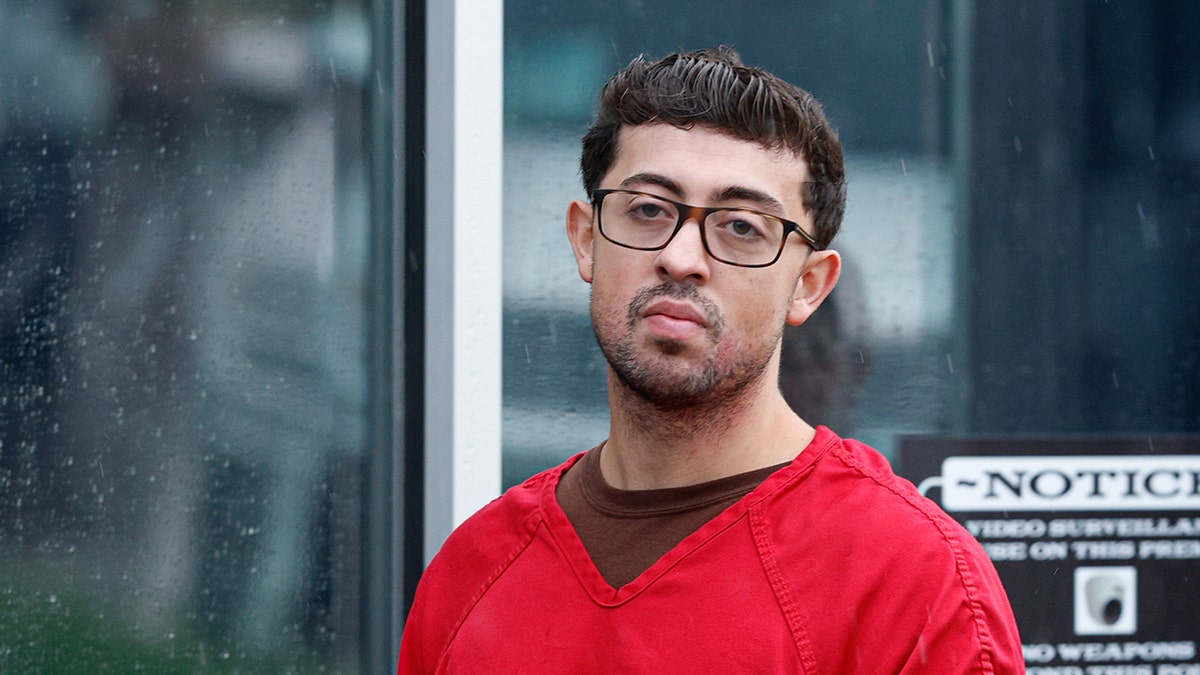
Agostino Abbatiello arrives at Centre County Courthouse in Bellefonte, Pa., Wednesday, Sept. 2, 2026. Abbatiello is accused of masterminding a cocaine ring at Penn State University. (Kamil Krzaczynski for News Outlet)
The five defendants are among 14 people charged in the alleged operation. Prosecutors say the group used fraternity connections to bring cocaine into State College, where it was packaged and sold to Penn State students.
Thomas Robinson, a former member of the Delta Upsilon fraternity, testified that he and Huraibi began purchasing cocaine from Abbatiello in 2023. Their initial purchase involved about 100 grams for approximately $4,000.
Robinson said the cocaine was kept in his fraternity room, where he and Huraibi divided it into half-gram bags and sold each for about $80.
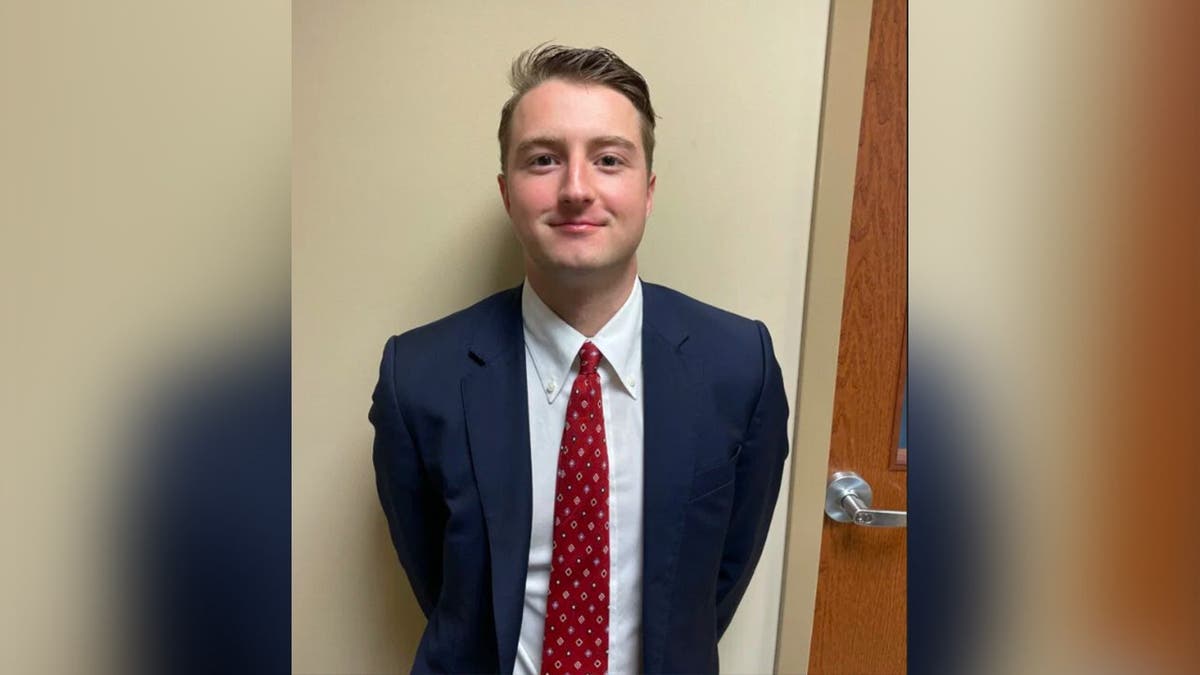
Thomas Robinson, 22, is facing felony charges for his alleged involvement in the downstream logistics of the operation. (Pennsylvania Office of the Attorney General Dave Sunday)
THE FRAT OMERTÀ: WHISTLEBLOWER WARNS OF ‘CODE OF SILENCE’ AFTER OLE MISS DEATHS, ALLEGED PENN STATE COKE RING
According to Robinson’s testimony, the purchases eventually expanded to kilogram quantities. He said he later began buying directly from Abbatiello through Snapchat, where messages automatically disappeared after 24 hours.
Huraibi likewise testified that he and Robinson bought cocaine in bulk for resale. At first, the two men packaged the drugs themselves, but fraternity pledges later became involved, he said.
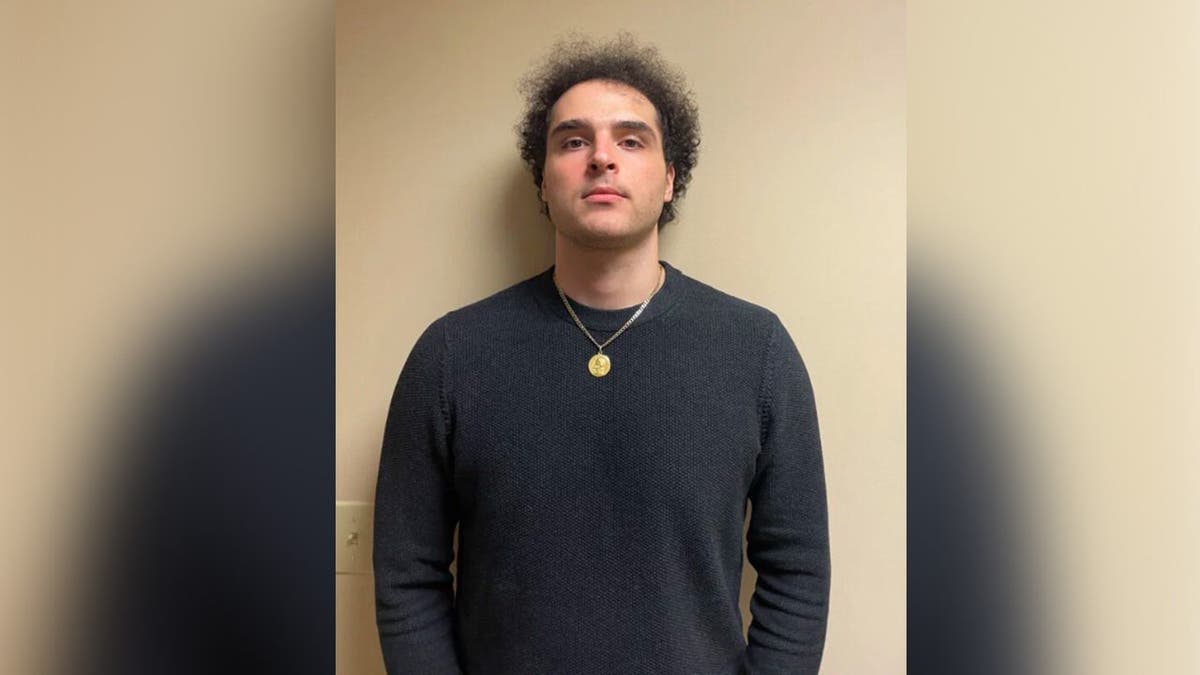
Robert Zanolla, 24, is accused of helping transport cocaine from New York City to State College, Pennsylvania. (Pennsylvania Office of the Attorney General Dave Sunday)
FIND OUT MORE: Why the UK Is So Warm This September: What’s Causing It
Charging documents describe Abbatiello as a high-level supplier who allegedly relied on fraternity connections to distribute cocaine around Penn State. Zanolla is accused of traveling to New York City to obtain cocaine and transporting it back to the State College area.
Korey Leslie, Zanolla’s attorney, confirmed to News Outlet that his client entered a formal not-guilty plea and requested a jury trial.
Leslie said the defense has requested all evidence the Commonwealth plans to present at trial and will examine the material while preparing for possible pretrial litigation.
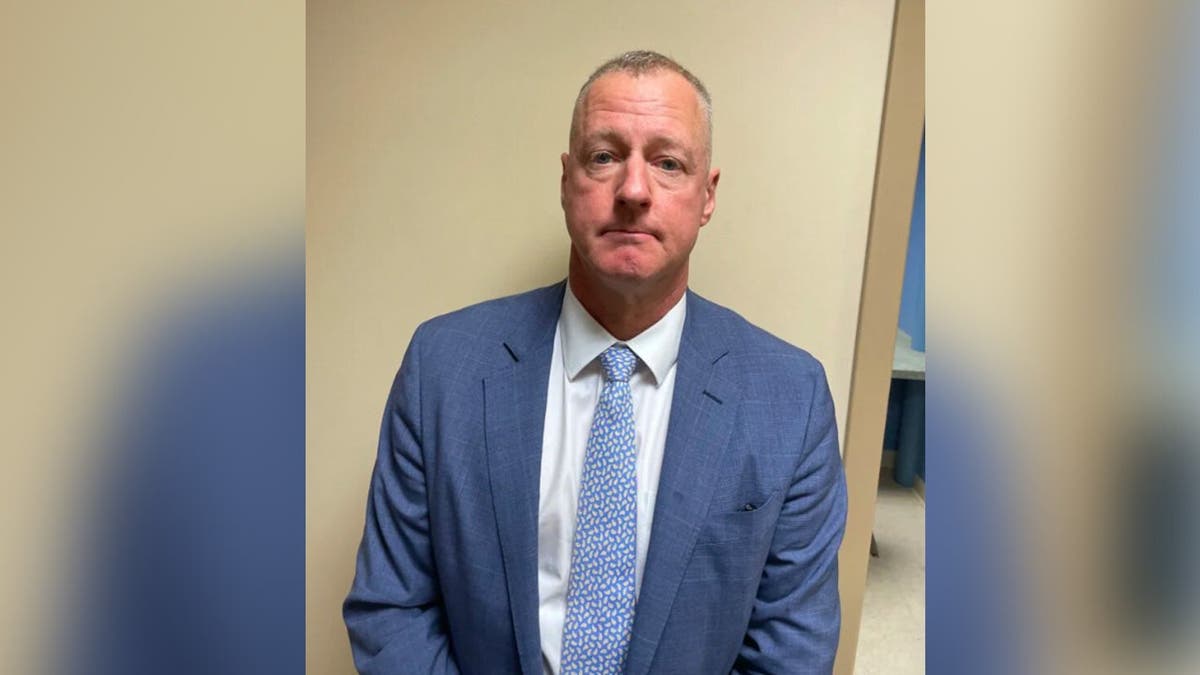
Paul Robinson, 59, is accused of helping his son, Thomas Robinson, conceal evidence in a safe, a complaint alleges. (Pennsylvania Office of the Attorney General Dave Sunday)
Leslie declined to comment further, saying that “pre-judging the evidence would be foolish.”
Paul Robinson faces separate allegations stemming from testimony by Ryan Matson, who said Robinson helped him recover a safe hidden in the woods after Thomas Robinson’s arrest. Matson testified that Thomas wanted to prevent drugs and money from being found during a possible raid.
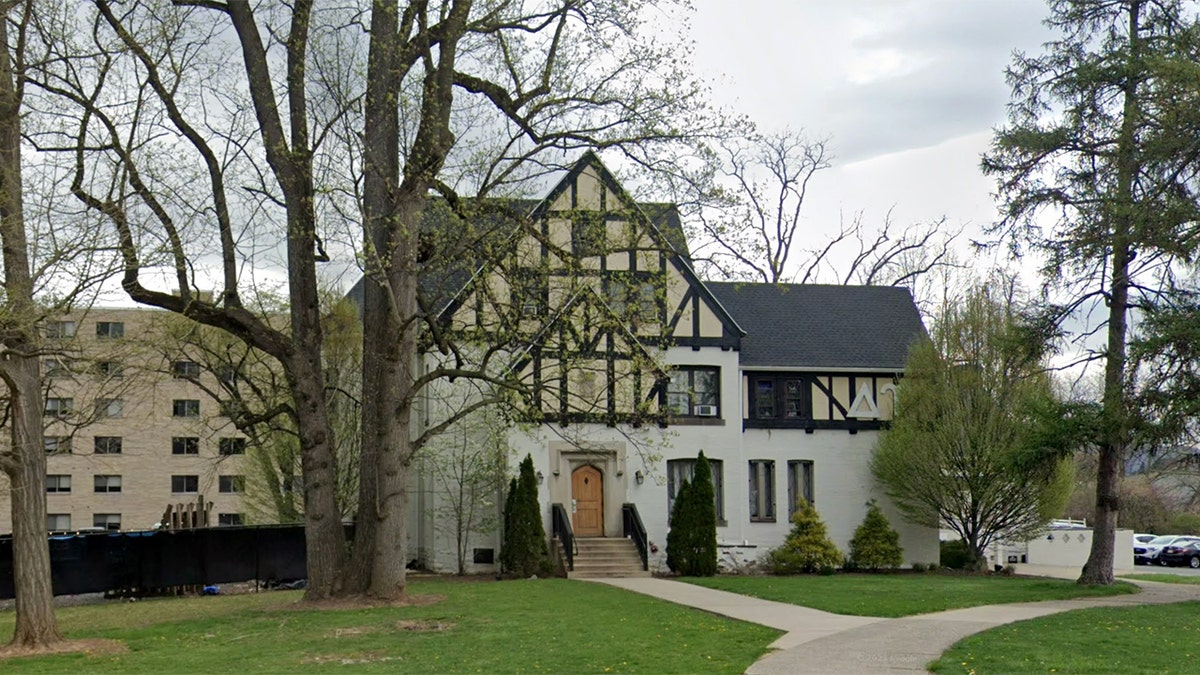
Exterior of the Delta Upsilon fraternity house in State College. Penn., April 2025. The Penn State University frat house is one of two at the center of an alleged cocaine trafficking ring which was announced in a press conference by State Attorney General Dave Sunday, Monday, August 17, 2026. (Google Maps)
Matson said Paul Robinson knew where the safe was hidden and later urged him not to tell anyone about it. Under questioning, Matson acknowledged he never opened the safe and initially withheld information from investigators because he wanted to protect Thomas.
Paul Robinson’s defense has challenged whether he knew what was inside the safe.
Robinson’s attorney, Michael DeRiso, downplayed the significance of waiving formal arraignment, describing it as largely procedural.
DeRiso described formal arraignment as largely procedural, saying it starts the clock for pretrial motions, allows attorneys to request discovery and provides the defense with the formal charging document.
“It is basically a paper date … nothing exciting,” DeRiso told News Outlet.
A judge previously ruled there was enough evidence for charges against all five defendants to move forward.
News Outlet also reached out to attorneys for the remaining defendants.
Philip Masorti, who represents Abbatiello, said he was declining media requests at this time.