
CHICAGO () — Finding a parking spot in Chicago’s Loop can be difficult. But an ABC 7 I-Team investigation found dozens of city and other government vehicles parked in marked tow zones without visible tickets, while private vehicles nearby were being cited.
The investigation began after attorney Mark Horwitz of the Horwitz Law Group contacted the I-Team. Horwitz said recent changes to parking enforcement have made it illegal for his clients to stop in areas marked “no standing, no stopping,” even when someone remains inside the vehicle.
“This has become a parking lot for the city,” Horwitz said.
He said private drivers can no longer use those spaces as they once did.
“We, as the usual normal people, used to be able to park,” Horwitz said. Clients could stop, leave someone in the car and briefly visit a lawyer’s office, he explained. “That is now illegal, except for all the municipal vehicles that take up all the spaces.”
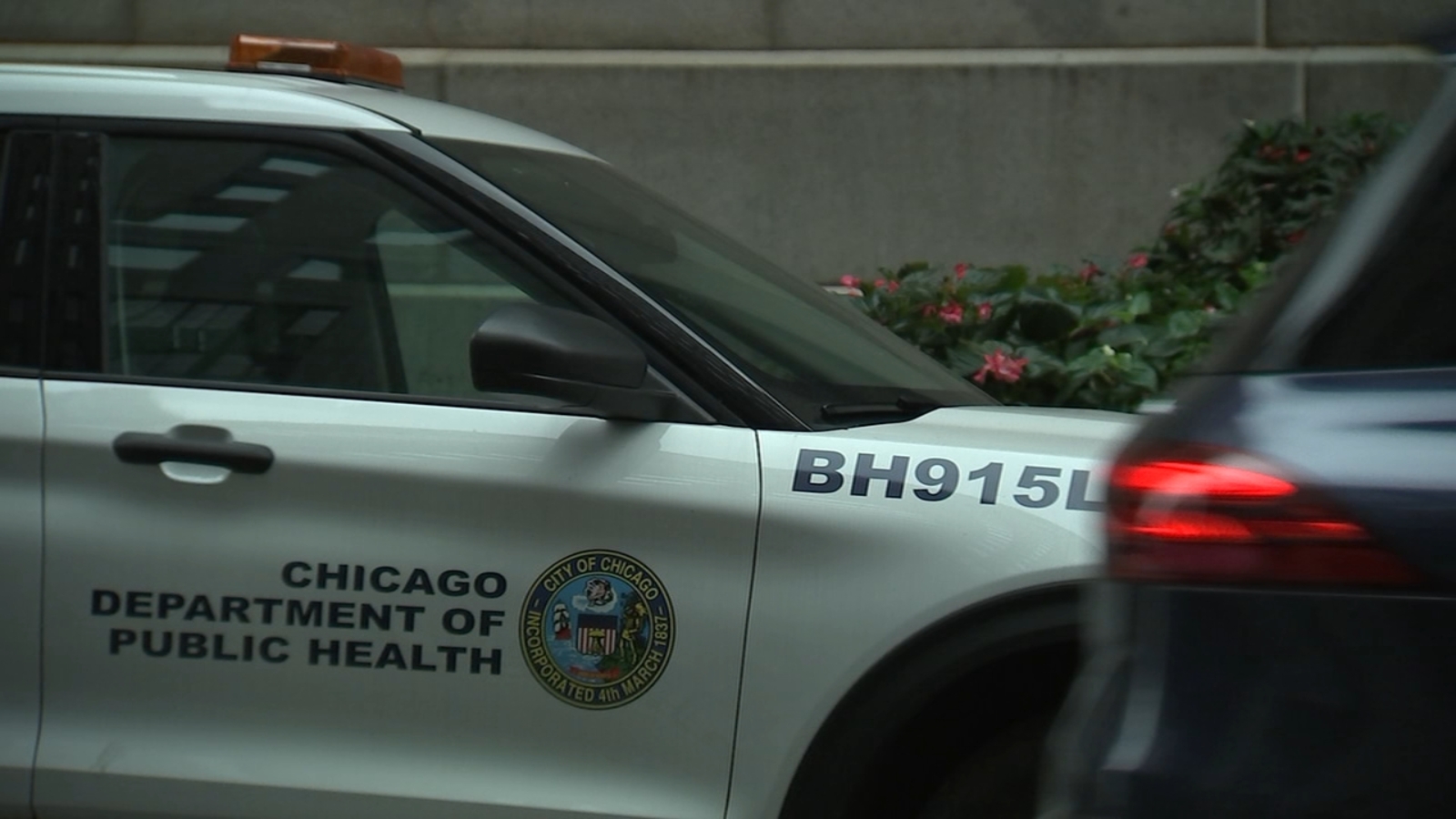
The I-Team visited the area several times and saw dozens of city vehicles from multiple administrative departments, as well as vehicles belonging to other government agencies. They were parked in marked tow zones along Washington Street between LaSalle and Clark streets and on Clark Street between Washington and Madison streets.
During one visit, ABC7 I-Team Consumer Investigator Jason Knowles documented a long row of government vehicles occupying the restricted spaces.
“There is a line of government vehicles,” Knowles said while reviewing the row. He noted that none appeared to have tickets, including a USPS van, a citywide pool vehicle and other government vehicles. “All of these are parked illegally. But they don’t get tickets. The private citizens are getting tickets on the other side.”
The I-Team also approached a parking enforcement attendant who was ticketing a private vehicle across the street while government vehicles remained in the tow zone.
DISCOVER MORE: Family Sues Anheuser-Busch Over Fatal Jacksonville Brewery Stabbing
“Jason Knowles from ABC 7—quick question,” Knowles asked. “Why don’t those other cars get tickets? Are municipal vehicles being ticketed?”
The attendant did not answer. The I-Team said it also saw another parking enforcement worker pass by government vehicles without issuing tickets.
Horwitz said the practice amounts to a double standard for taxpayers.
“There are city vehicles everywhere, from every department, and they just park wherever they want,” Horwitz said. Meanwhile, he added, taxpayers have few options beyond parking garages that can charge $14 or $15 for the first half-hour.
The I-Team said it received no response from the mayor’s press office. Michael Belsky, comptroller for the Department of Finance—which collects revenue from parking violations—agreed to address the issue.
Belsky said city employees may park in the restricted areas when they are conducting official business. “I think there is an understanding that these people, in the regular course of business, can park there,” he said. “If they are parking there and going down the street to a restaurant, that is a different story. If that is determined, they will be ticketed. But if they’re doing regular business with the city that is of importance, we want to make it convenient for them.”
When Knowles questioned how the arrangement appears to drivers who cannot park while city vehicles occupy the spaces, Belsky stood by the policy. “I don’t want to belabor it,” he said. “These are not citizens; these are people working for the city on important business. We try to make it convenient for them.”
The I-Team also contacted other government agencies, including the United States Postal Service, after observing agency vehicles in the no-standing, no-stopping zones. The Postal Service did not respond before the report aired.
Despite concerns from drivers and the appearance of unequal enforcement, the city’s comptroller said government vehicles conducting official business are allowed to park in the restricted areas.