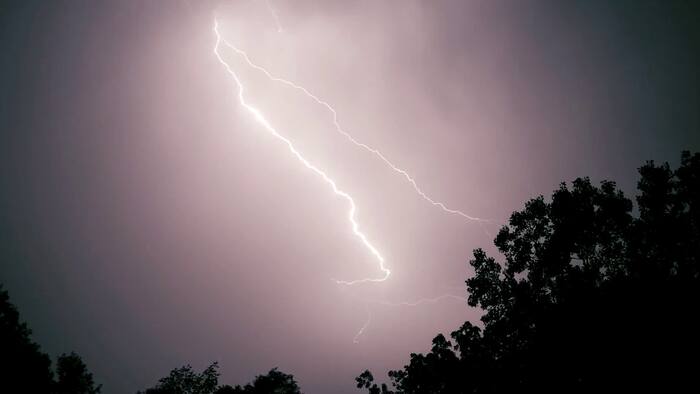


ORLANDO, Fla. – Central Florida is once again showing why the region is known for its powerful thunderstorms.
Florida has long been recognized as the “Lightning Capital” of the United States and continues to lead the country in lightning-related deaths. A series of recent incidents has brought that danger into sharp focus.
In July, lightning hit a home in Flagler County as a mother held her baby and a phone connected to an outlet. The force sent both of them flying backward.
A couple walking along the West Orange Trail in Winter Garden was also struck by lightning earlier this month.
In another deadly incident, 20-year-old Matthew Jenkins was killed by a lightning strike while running in Celebration earlier this month.
Dr. Howard Smith, director of the Warden Burn Center at Orlando Health ORMC, has seen the devastating aftermath of lightning strikes. He is urging residents to take precautions so fewer families face similar heartbreak.
“There is nothing worse than having to tell a family that their loved one was struck by lightning and will not survive,” Smith said.
Smith is encouraging people across Central Florida to treat lightning as a serious threat and prepare before spending time outdoors.
“It is important to protect yourself and everyone around you from injury,” he said. “That is the message we really want to emphasize.”
The basic safety steps are simple: review the forecast before heading outside, know where you can take shelter quickly and never dismiss the sound of thunder.
“Check the weather, make sure you have a plan to get indoors if the storms worsen, and when you hear thunder, go inside,” Smith said.
According to Smith, thunder remains the clearest warning that lightning could be nearby.
“Once you hear thunder, the storm is often within about 30 seconds of you, so stay indoors until the thunder has stopped for at least 30 minutes,” he said. “Following that guidance can prevent most lightning-related injuries.”