Share this @internewscast.com
Bec Weigel was a flight attendant for over a decade, and while it was a career she loved – it came at a heavy cost.

The representative from the First Nations Workers Alliance, a Mununjali woman, regularly encountered racial prejudice from both customers and fellow employees.

“Once I had a comment made to me by a new crew member, she had heard me mention I was Aboriginal and from that she then stated some very derogatory comments about my physical appearance,” she said.
Ms Weigel said her workplace had no mandatory or compulsory training about racism or cultural awareness training.
“If a worker experienced racism, they have to explain that racism they’ve dealt with to a non-Indigenous manager and try and explain why it was racism, and why it was offensive to someone who has never experienced that,” she said.

She recounted that when she and other Indigenous staff voiced their concerns about racial discrimination from colleagues, the only response was mediation, with no disciplinary measures enforced.
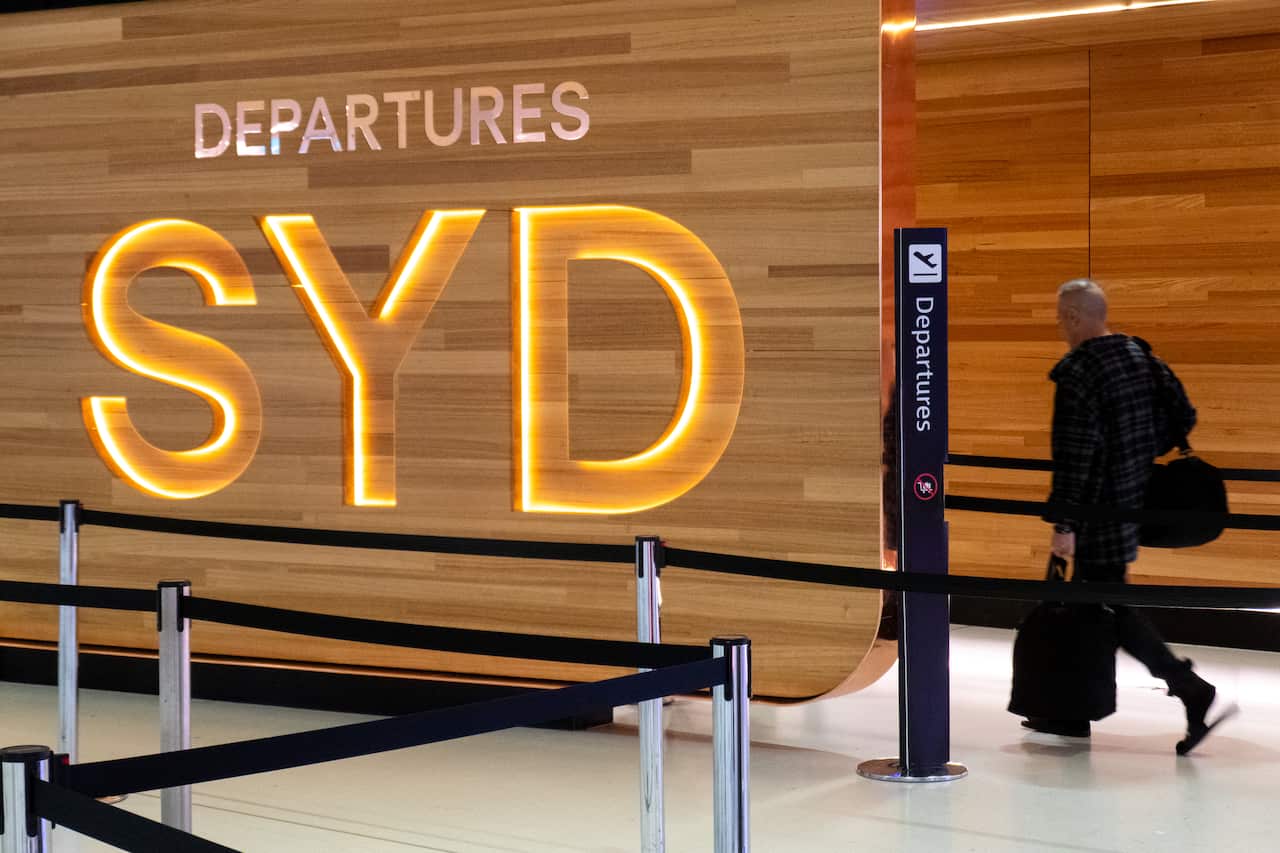
Sydney Airport Departing Passenger

Having worked as a flight attendant for 13 years, Ms. Weigel ultimately decided to leave her position due to the persistent racism she faced. Credit: SCM Jeans/Getty Images

A safe workplace is a human right, but for Aboriginal and Torres Strait Islander workers, it may be a luxury.
According to the Australian Council of Trade Unions 2025 report Work Shouldn’t Hurt, Indigenous workers are twice as likely to be injured and three times more likely than non-Indigenous workers to face violence at work.

Released by the ACTU’s Centre for Health and Safety, the report was unveiled at the Healthy Work Conference, hosted by the peak body in Adelaide on Friday.

It revealed that in the last 12-months almost half of Aboriginal and Torres Strait Islander workers have acquired a physical or mental injury at work – compared to 27 per cent of non-Indigenous workers.
The Indigenous workforce experiences violence or threats of violence ‘regularly’ and ‘always’ in their workplace, which is triple the rate of their non-Indigenous counterparts.
Only 19 per cent of non-Indigenous workers reported experiencing violence, compared to 36 per cent of Indigenous workers.
ACTU First Nations Educator and Officer Rachel Bos said experiences like Ms Weigel’s are very common.

“In discussing statistics, we often overlook the human stories they represent… discrimination and harassment are rampant,” noted the Kaurna woman.

She said the experiences of racism are diverse and widespread and even though the reality is dire, Australian workplaces haven’t faced the music.

“Racism is incredibly complex, there are systemic reasons for these results but when we unpack what racism actually is we’re talking about anything from a small microaggression right through to the systems and policies we have in place, right through to the reporting,” she said.

We haven’t had a conversation about racism at work in this country and it is well overdue.

For Ms Weigel believes that strengthening protections is crucial.
“They like to say they’re dealing with it but they can definitely do better,” she said.

“By strengthening our legislation and regulations that will actually empower the unions to be able to support workers and hold employers accountable because they have obligation by the act, or by the regulations to actually enforce positive change and safer work practices.”

Share this @internewscast.com
You May Also Like
Truck driver Robert Cook warning over diesel shortage

Pressure Mounts to Slash $3 Billion Tax Amid Escalating Fuel Crisis Concerns

Australia’s business chambers want the federal government to reduce the heavy vehicle…
Trump slammed over 'huge miscalculation'

Trump Faces Backlash Over Alleged Strategic Misstep: Experts Weigh In

A prominent member of the Coalition has openly criticized Donald Trump’s recent…
Donald Trump speaking about his favourite pen at a cabinet meeting today.

Survey Identifies Key Figures Australians Hold Responsible for Fuel Crisis

According to the latest poll conducted by The Australian Financial Review in…

Lebanon’s Involvement in Israel’s Middle East Strategy: An Emerging Dynamic

Lebanon has historically been a hotspot in the Middle East, with its…

Albanese Unveils Strategic Fuel Powers: Key Changes and Their Impact on Australia’s Energy Future

IN BRIEF The Australian government will underwrite private fuel cargo purchases. This…

Global Shipping Reroutes: What Australia’s Future Looks Like Amid Hormuz Disruption

In Brief Gulf countries have invested in alternatives long before the Hormuz…
The government's plan to underwrite fuel costs is aimed to shore up supply and bring down costs.

Government Allocates Taxpayer Money to Offset Rising Petrol Prices

The Albanese government will use public funds to bring down the cost…

Yemen’s Houthis Target Israel with Missile Strike: A New Threat to Global Shipping Routes

In Brief One month into the war, Yemen’s Iran-aligned Houthis say they…
Prime Minister Anthony Albanese during a press conference at Parliament House in Canberra on Friday 27 March 2026. fedpol Photo: Alex Ellinghausen

PM Rejects COVID-Style Mandates Amid Urgent Fuel Crisis Discussions with Global Leaders

Australia’s state and territory leaders will meet today for emergency fuel crisis…
Helen Lister and Angie List travelled to Paris, France together in 2010.

In Helen’s Last Days, Swallowing Became Impossible: A Family’s Heartfelt Struggle

Helen Lister was a beacon of positivity for her family, bringing light…
Man accused of stealing $1500 in diesel forced to siphon it back in

Suspected Diesel Thief Ordered to Return $1500 Worth of Fuel in Unusual Court Ruling

As fuel prices continue to rise, some drivers are reportedly resorting to…

Unveiling Iran’s Power Shift: Meet the New Leaders Steering the Nation

The recent US-Israeli strikes have significantly impacted Iran, claiming the lives of…