
U.S. hiring picked up sharply in August, with employers creating 162,000 jobs — a total that more than doubled Wall Street expectations and marked a notable rebound from July’s weaker labor market showing.
By the numbers
Analysts surveyed by FactSet had expected a much smaller gain, projecting that the economy would add about 65,000 jobs for the month.
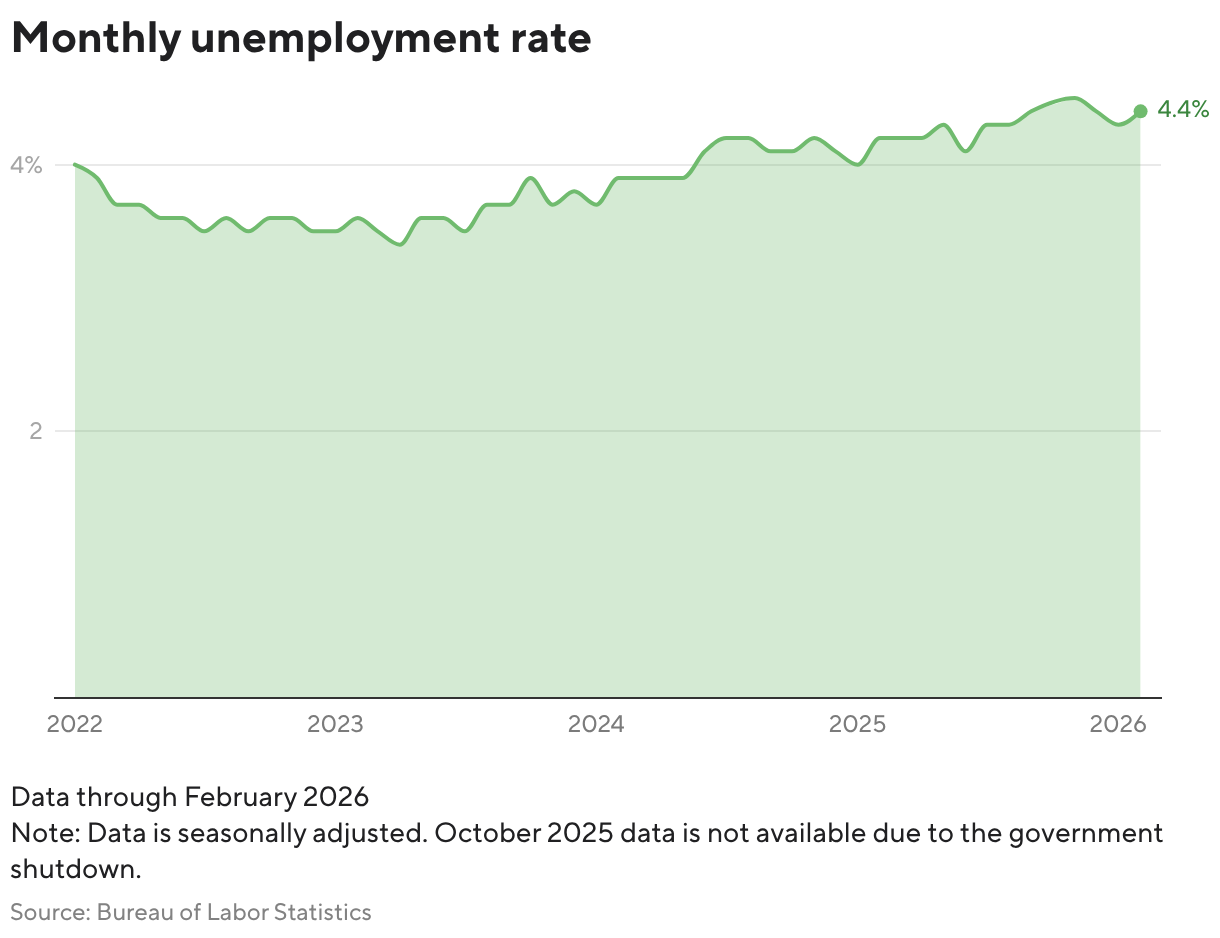
The unemployment rate held steady at 4.1% in August, matching the level recorded a month earlier.
Much of August’s job growth came from restaurants, bars and other food service businesses, along with local government education. Food services and drinking places added 59,000 positions, while local government education payrolls rose by 42,000. The month’s overall hiring total was more than five times the average monthly gain of 31,000 recorded over the past year, according to the Labor Department.
“What a ‘wow’ jobs report,” Heather Long, chief economist at Navy Federal Credit Union, said in an email. She noted that an education hiring boost was anticipated as teachers returned for the school year, but said the recovery in hospitality — particularly at restaurants — was also a welcome sign.
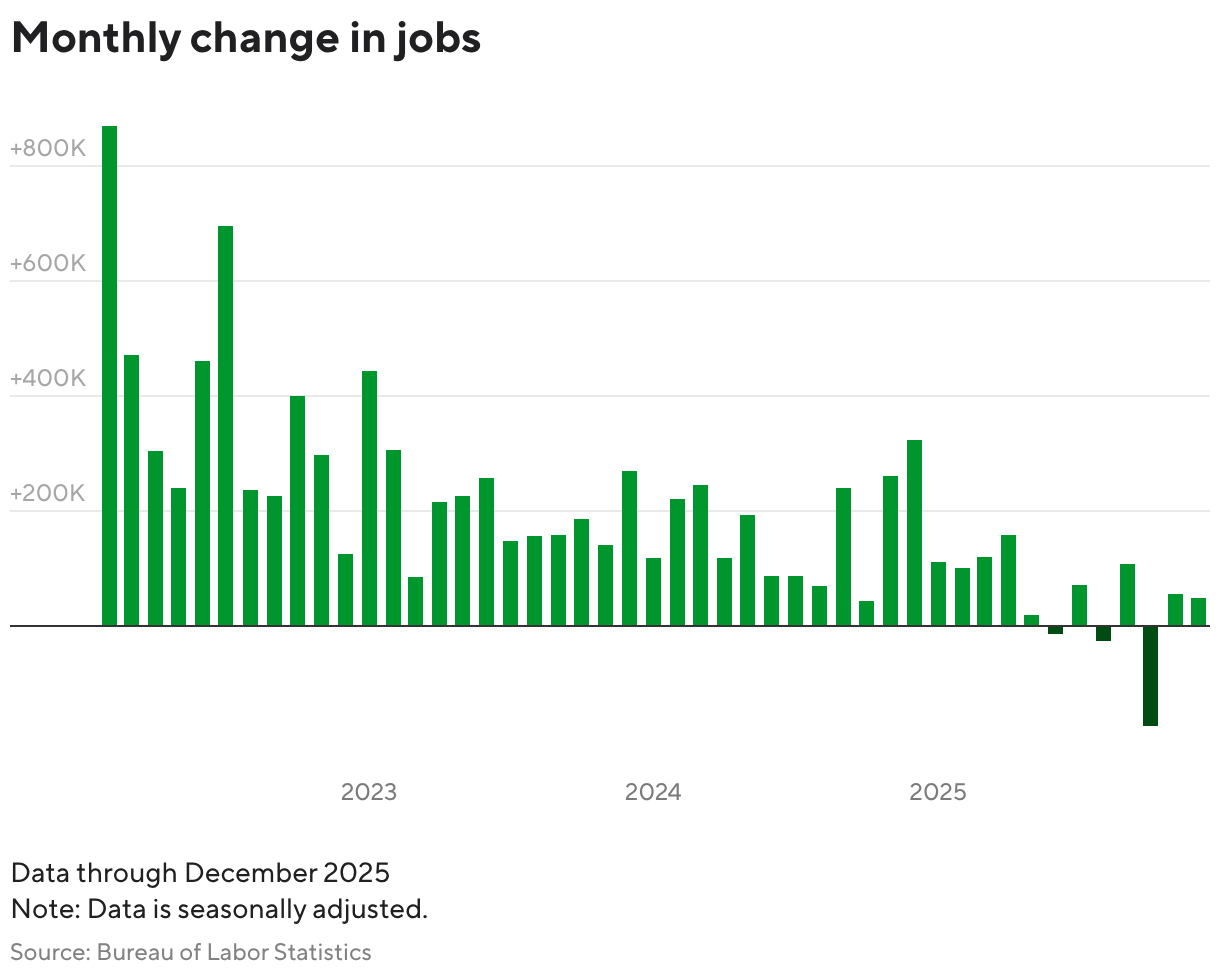
The Labor Department also upgraded its estimates for June and July, adding a combined 55,000 jobs to previously reported totals. With those revisions, July is now shown as a modest gain of 21,000 jobs, rather than the initial report that had the U.S. shedding 23,000 jobs.
The size of the U.S. labor force — which includes people who are employed as well as those actively seeking work — rose by 683,000 in August after shrinking in both June and July.
Even with stronger job creation, pay gains remained muted. Annual wage growth slowed to 3.1%, its weakest pace since May 2021.
“Slowing nominal wage growth suggests workers don’t have the leverage to bid up their wages,” Elise Gould, a senior economist at the Economic Policy Institute, a nonpartisan think tank, said in an email. “Even with low unemployment, the depressed hires rate means workers aren’t finding new jobs to raise their wages.”
What does this mean for interest rates
The August jobs report could strengthen the case for a Federal Reserve interest rate hike at the central bank’s upcoming meeting, with the rate decision set for Sept. 16, economists said on Friday. However, the Fed is likely to place more emphasis on the forthcoming Consumer Price Index report, which will be released on Sept. 11.
“An upside surprise in payrolls will likely ramp up concerns about a rate hike, but that outcome is in the hands of next week’s inflation numbers,” Ellen Zentner, chief economic strategist for Morgan Stanley Wealth Management, said in an email. “If those come in cooler than expected, the Fed will likely feel comfortable discounting potentially inflationary signals coming out of the labor market.”
Federal Reserve Chair Kevin Warsh affirmed that the labor market was on a steady course last week during the Fed’s annual conference in Jackson Hole, Wyoming.
“There are always areas of concern in the labor market—for example, among recent graduates,” he said. “In general, though, people who want to work, by and large, are holding or finding jobs.”
Warsh signaled that inflation, which is stubbornly above the Fed’s 2% target, remains the central bank’s primary focus. The Fed will have “work to do” if price pressures do not ease, he said at the Jackson Hole conference.
On Friday, CME Group’s FedWatch tool showed a 60% likelihood the Fed will raise rates in September.
Aimee Picchi