

On Wednesday, state lawmakers voiced significant concerns to a representative of the 2028 Los Angeles Olympics about whether local communities will be able to affordably attend the Summer Games.
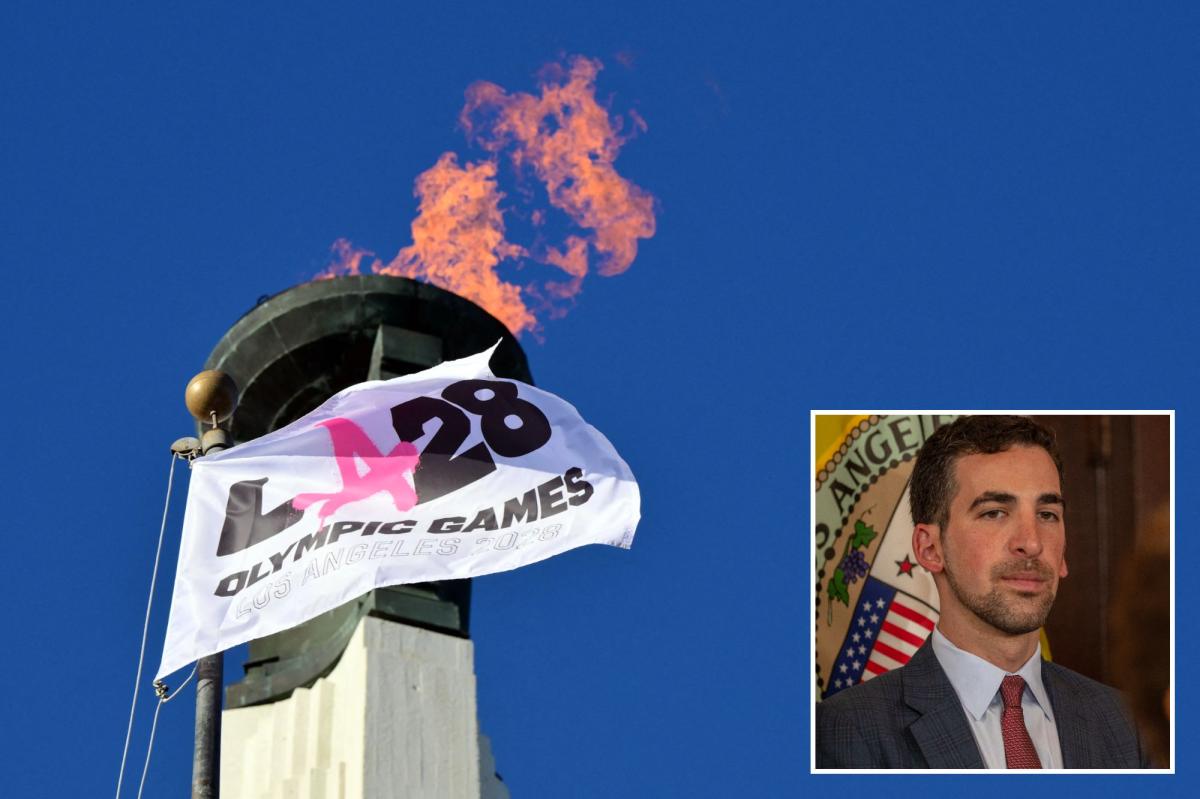
Joey Freeman, who lobbies for the LA28 Organizing Committee, informed Sacramento legislators that fans from 85 countries and every U.S. state bought over 4 million tickets in the initial release.
Freeman explained that around 500,000 tickets priced at $28 were allocated to local buyers, with 95% of tickets under $100 being sold during a special pre-sale for residents. Meanwhile, registration for a second ticket release in August is currently open.
“We want those who live in the midst of these games to have the chance to participate,” Freeman emphasized.
Despite these assurances, lawmakers expressed skepticism about the effectiveness of these initiatives. Earlier this year, a scarcity of $28 tickets had led to public dissatisfaction.
State Senator Ben Allen remarked, “Quite frankly, people were taken aback by the prices they were expected to pay. There’s talk of a million $28 tickets, but will securing one of those tickets be akin to winning the lottery?”
Freeman responded that officials are working on a community-ticketing program funded through a philanthropic contribution. He said he hopes more contributions will allow tickets to go directly to nonprofits, which could provide free tickets to the community.
Another lawmaker, Sen. Aisha Wahab, asked how many tickers were going to the nonprofits versus being offered in the local pre-sale phase. Freeman said he didn’t have specifics.
Wahab questioned how smart it was to simply hand free tickets to nonprofit organizations.
“I would suggest not necessarily giving it to nonprofits, because we cannot necessarily control that. They are not going to be seen on the aftermarket and sold right?” Wahab asked, instead suggesting that tickets go to schools or other groups. “Just giving tickets to different organizations does not secure that the community can actually be there.”
“What I have seen consistently is that when big tickets are given, it’s usually the executives’ friends that get first dibs, not necessarily the community they serve,” she added.
Sen. Laura Richardson grilled Freeman even further when he was unable to give exact figures of tickets sold in the first wave.
“This is a problem because you’re in an official state hearing,” she said. “The fact that we came to this committee, and you don’t know how many tickets were issued, you don’t know how many of those were under $100, you don’t have the information that we need, because this, these are questions that we’re getting from our community.”
Richardson, who noted that one of her relatives applied for tickets, said the 95% statistic doesn’t say much as it could represent small or large number of tickets.
“The experience that my family member had was that there were no available tickets under $100. The tickets that were available were at astronomical prices. We’re talking about multiple thousands of dollars to attend events. And that’s not what was presented to us that was going to happen,” she said.
“I really think you need to go back to the drawing board and really look at what is your ticket disbursement plan,” Richardson added, requesting another legislative meeting on this issue.
Freeman promised to follow up with lawmakers and provide more details later.