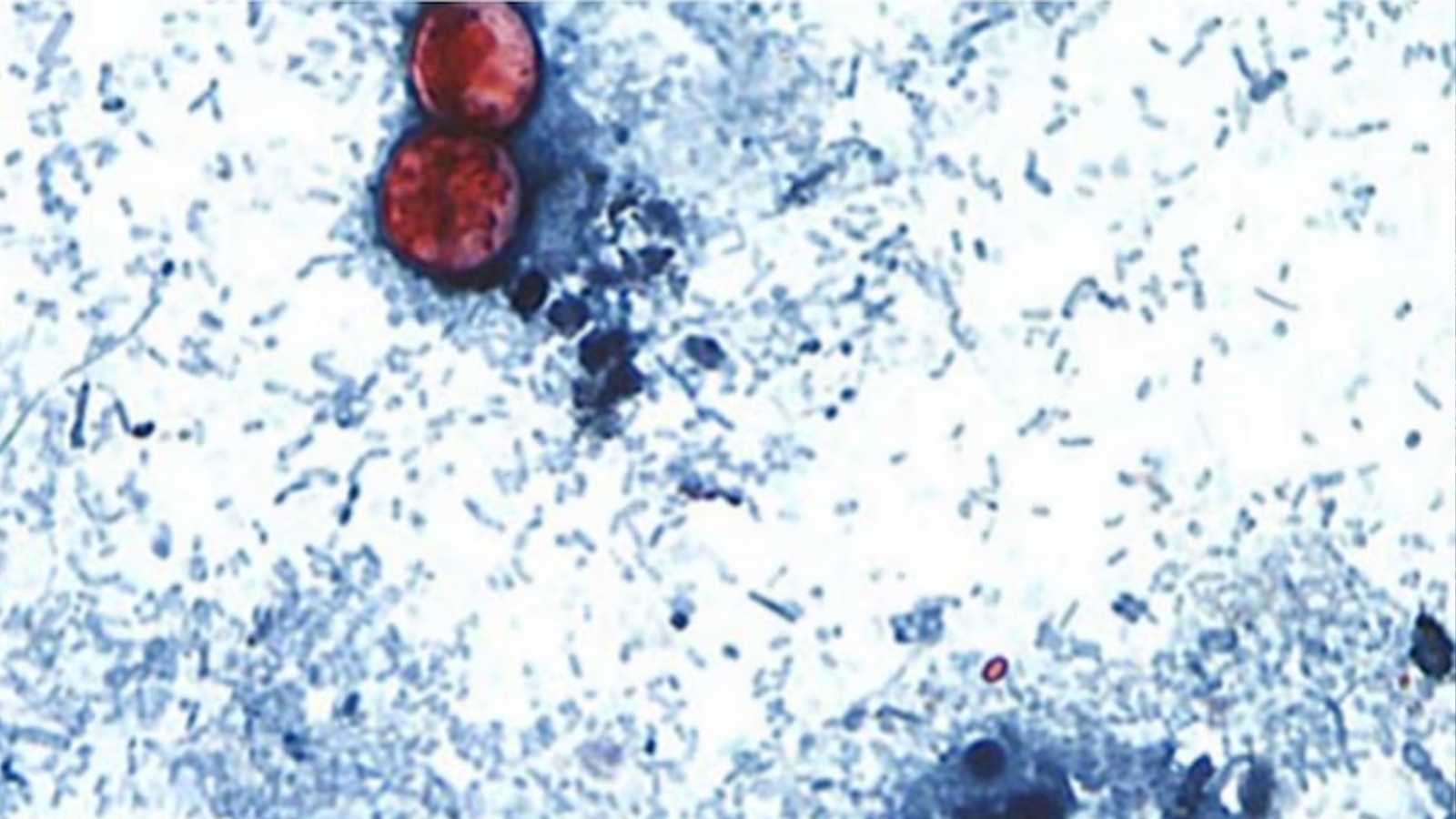

PHILADELPHIA — Michigan health officials are warning of a “large and growing” outbreak of cyclosporiasis, a parasitic intestinal infection that has sickened hundreds of people in the state this year.
As of Thursday, the Michigan Department of Health and Human Services (MDHHS) told ABC News that more than 300 cases had been confirmed. By comparison, Michigan typically records about 50 cases in an entire year, according to the department.
Cyclosporiasis is most often linked to food or water contaminated with feces, according to the Centers for Disease Control and Prevention (CDC).
“We are working closely with our state and local partners to identify the source of this outbreak that is making so many people ill as quickly as possible,” Lynn Sutfin, public information officer for MDHHS, told ABC News.
The spike in Michigan comes amid a broader national picture. As of June 15, the CDC had reported 145 cyclosporiasis cases across 17 states, not including Michigan, with at least 20 people requiring hospitalization.
Pennsylvania and New Jersey are among the states where residents have also been affected by the illness.
Public health authorities are now looking into several clusters of cyclosporiasis cases reported in multiple states as they work to determine whether the infections share a common source.
Doctors told ABC News that cyclosporiasis cases often begin rising in May, making the timing of the Michigan outbreak consistent with seasonal patterns. Still, they said the number of cases reported in the state is unusually high.
Dr. Peter Chin-Hong, an infectious diseases specialist and associate dean for regional campuses at the University of California, San Francisco, told ABC News that in years past, the U.S. used to see many cases cyclosporiasis acquired outside of the U.S, or from imported vegetables and fruits.
“But now we’re starting to have more domestic cases as well,” Chin-Hong said.
ALSO READ: Unexpected New Chapter: Texas AG's Mistress After Scandal Unraveled
Foodborne outbreaks of cyclosporiasis have been linked to various types of imported fresh produce, such as raspberries, basil, snow peas, mesclun lettuce and cilantro, according to the CDC. The agency further said it takes about one week from the time of infection to become symptomatic, but that time can range from two days to two weeks.
Some patients do not experience any symptoms but, for those who do, the most common symptom is “explosive watery diarrhea,” Dr. Zoe Weiss, director of clinical microbiology at Tufts Medical Center, told ABC News.
Other symptoms can include cramping, bloating, low-grade fever, nausea and vomiting, Weiss said.
“Though in most cases this illness causes discomfort from cramping, bloating and watery diarrhea, we are concerned about individuals who may be immunocompromised due to cancer treatment or an organ transplant as the effects may be more severe,” Sutfin from MDHHS said.
Weiss said the infection is very unlikely to spread from person-to-person “because the parasite is passed in the stool, and then it requires days to weeks of sporulation in the environment before it can become infectious.”
Chin-Hong said that oftentimes people dismiss watery diarrhea, but it is important to get a diagnosis to get treatment as soon as possible.
Cyclosporiasis is treated with the oral antibiotic trimethoprim-sulfamethoxazole (TMP-SMX), commonly sold as Bactrim, Septra and Cotrim, taken for 10 days, according to the CDC.
Doctors told ABC News that people can prevent infection by thoroughly washing produce, cutting away bruised or damaged parts of fruits and vegetables, and refrigerating pre-prepared or pre-cut produce.
“If you’re in an area that’s been affected and you have sudden ongoing watery diarrhea, you should definitely seek a physician and get treatment,” Weiss said.
Copyright © 2026 ABC News Internet Ventures.