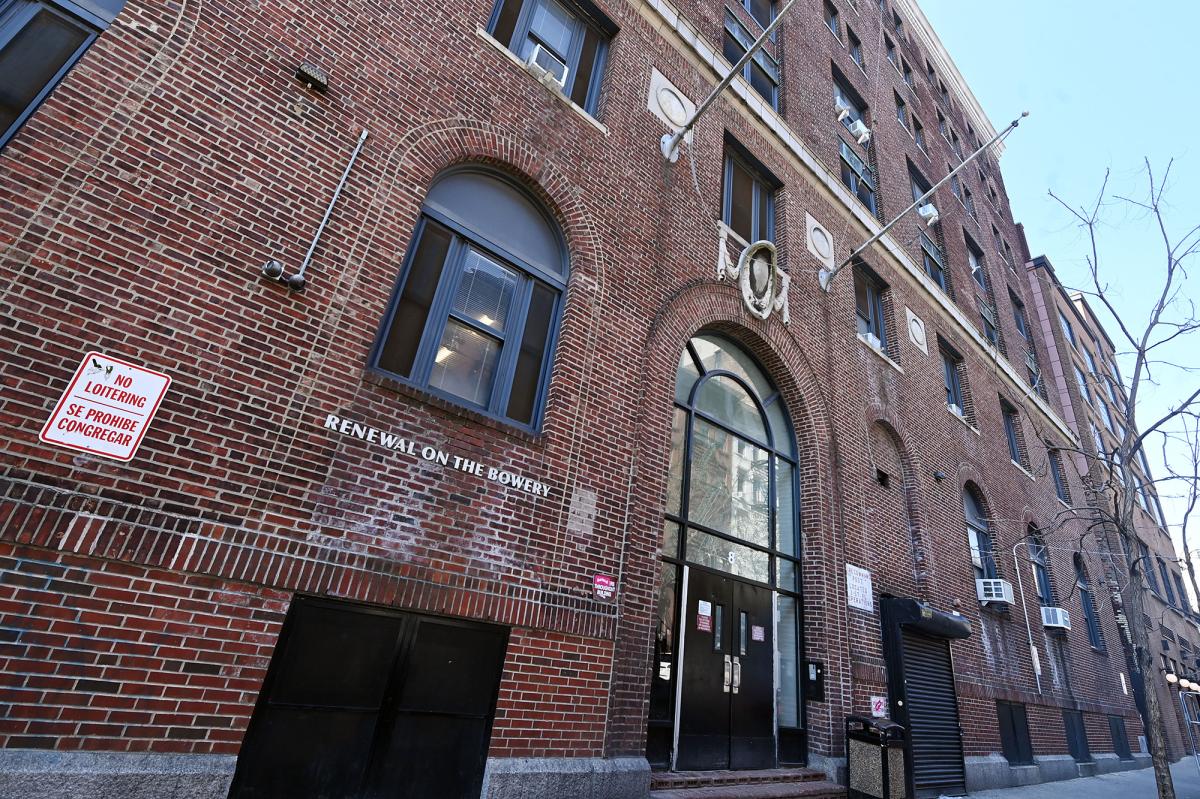

Residents of the East Village expressed their dismay on Wednesday as their attempt to prevent the Mamdani administration from transferring hundreds of homeless men into their community was thwarted.
A judge in Manhattan threw out the lawsuit filed by local residents, which aimed to block the establishment of a new intake center for homeless single men on East Third Street.
In her ruling, Manhattan Supreme Court Justice Sabrina Kraus stated, “There is no legal foundation to determine that the city’s decision to move the intake center to East Third Street was unlawful or executed in an arbitrary and capricious manner.”
The aggrieved community group, known as VOICE (Village Organization for the Integrity of Community Engagement), initiated legal action against the city in April. They argued that the decision was made hastily and bypassed necessary hearings and public scrutiny.
Although Justice Kraus had earlier issued a temporary halt on the center’s opening, she acknowledged understanding the community’s concerns, including their frustration over the lack of a forum to discuss changes that might alter the character of their neighborhood.
However, she concluded that the group did not identify any “mandatory factor” in the relocation process that would necessitate the city’s formal land use review procedures.
Neither the city nor reps for the residents immediately responded to a request for comment.

VOICE’s attorney Randy Mastro, in a court hearing last month, claimed the Mamdani admin had already spent $1.3 million on renovations to the city-owned building chosen for the new intake center.
It was once the site of a notoriously dingy and dangerous men’s shelter in the 1980s.
“This is a major capital project… a major change in use with enormous impacts on the community,” he argued in court.
But despite Krause appearing skeptical of the city’s arguments during the hearing, she wrote in her ruling that the law could not call the relocation a major change of use.
“Neither the change nor the renovations are substantial enough to trigger said review,” she ruled, and deemed the fact that the new shelter use does not require a new certificate of occupancy as “significant.”