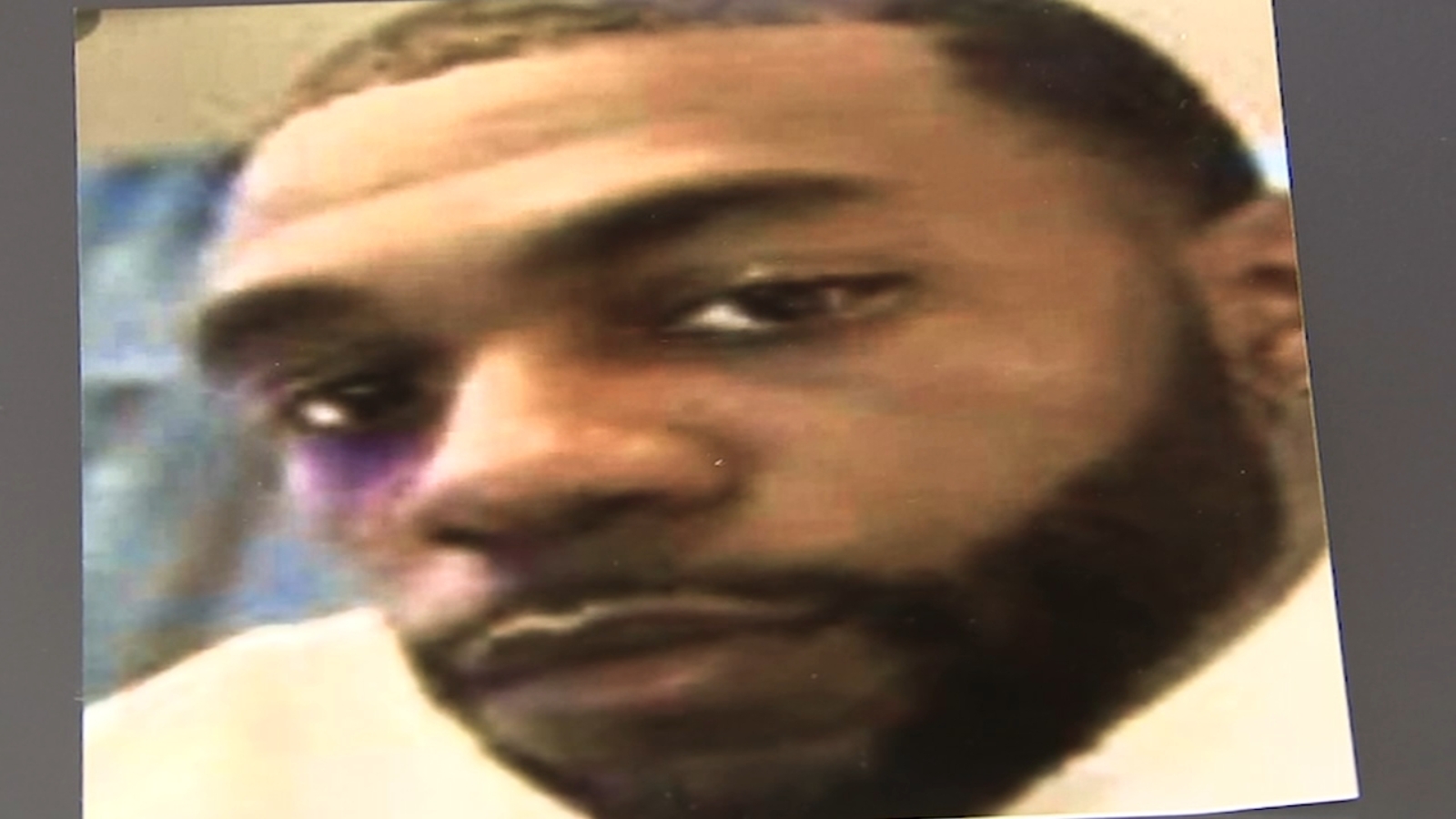

CHICAGO () — The family of Jermaine Richards has sued the Cook County Medical Examiner’s Office and Cook County, claiming officials were negligent in identifying his body and informing relatives after he was reported missing.
The filing marks the latest chapter in a case the I-Team has been tracking since 2021.
The I-Team has identified five cases in which families said they were never told their loved ones had been at the Cook County morgue for weeks, and in some instances years. Several families have pursued lawsuits, with Richards’ relatives now joining them in taking legal action.
“We don’t want any other family to have to go through with this,” said Edward Jenkins, Richards’ uncle.
The lawsuit states that Richards was recovered from Lake Michigan in late April 2022, but his body was not identified at the morgue until roughly two years later, in July 2024.
“The lawsuit alleges that the medical examiner’s office was negligent in not taking timely and appropriate steps to coordinate with family members,” said Thomas Murphy, an attorney with Cogan & Power, P.C., who represents the family.
Richards’ father, Tommie Richards, said he repeatedly reached out to local police departments as he searched for answers about his son’s whereabouts.
“I had no idea he was in the morgue, and that was the last thing on my mind,” he said.
A missing person report was filed in January 2024, but it was another seven months before Richards’ identity was verified by the medical examiner’s office.
The family says they identified Richards after recognizing a familiar tattoo in a photograph posted on the unidentified persons website and then contacting the medical examiner’s office.
“To not know is just more ripping and tearing, you know at your soul, your spirit,” Jenkins said.
The medical examiner’s office said Richards’ body was discovered “without any identification and was decomposing.”
The office said city and state police attempted to obtain fingerprints but were unable to do so because of the decomposition.
The medical examiner’s office submitted a DNA sample, but Illinois State Police said Chicago police sent the sample a year and a half later. The test results were inconclusive.
Chicago police did not comment.
The medical examiner’s office also said the FBI used “enhanced methods” to obtain fingerprints a year after the body was received.
“And in an age where the FBI can identify a person through enhanced fingerprint technology in a matter of days, it’s hard to understand how a body remained unidentified for over two years, while a missing person’s report was sitting in the system,” Murphy said.
The county morgue said it worked with the FBI to confirm Richards’ identification.
However, the family contends the identification was confirmed only after relatives contacted the medical examiner’s office.
“No family should have to discover their missing loved one by scrolling through photographs of bodies online. The systems that were supposed to work together failed,” Murphy said.
In previous reports involving the five complaints uncovered by the I-Team, the medical examiner’s office said it handles 7,000 cases each year, that the vast majority of identifications do not present challenges and that it works with investigating agencies to locate next of kin.
“We just want justice. You know what I’m saying? We want closure,” Jenkins said.
The family is seeking compensation for the grief and anguish of not knowing what happened to Richards for nearly two years.
The medical examiner’s office declined to comment on the lawsuit.
In its legal response, Cook County filed a motion to dismiss the case.