The murder trial of Duane “Keffe D” Davis in the 1996 fatal shooting of Tupac Shakur is moving into its final phase, with closing arguments set after the defense rested Thursday following testimony from three former Las Vegas police officers.
Jurors are expected back in court Monday to hear closing arguments before they begin deliberating in the only criminal case ever brought over the killing of the hip-hop icon. Testimony concluded after nine days of evidence presented to the panel.
Davis, 63, chose not to testify in his own defense.
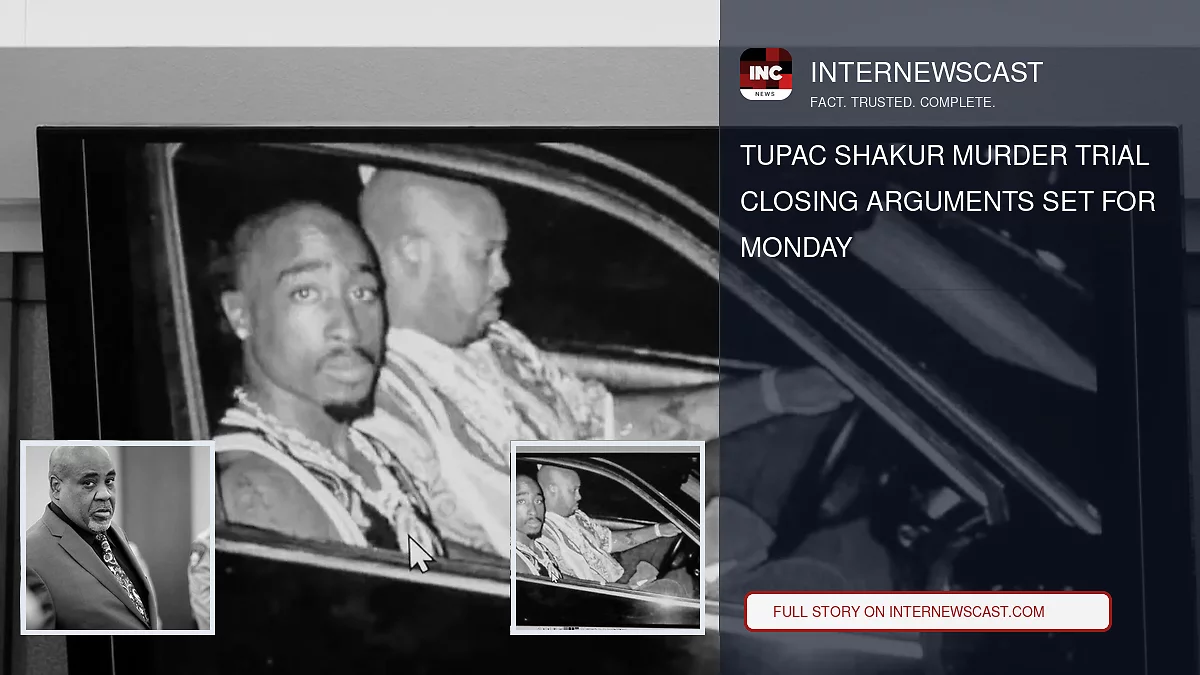
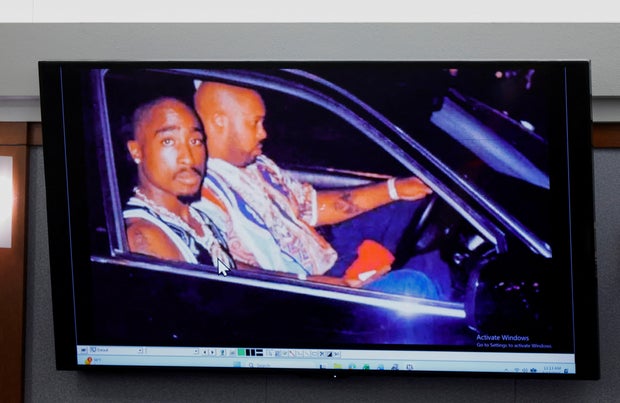
Shakur was a passenger in a BMW on Sept. 7, 1996, when a white Cadillac pulled alongside the vehicle at a red light near the Las Vegas Strip and shots rang out. The rapper was struck multiple times and died six days later. Marion “Suge” Knight, who was driving the BMW, survived the attack.
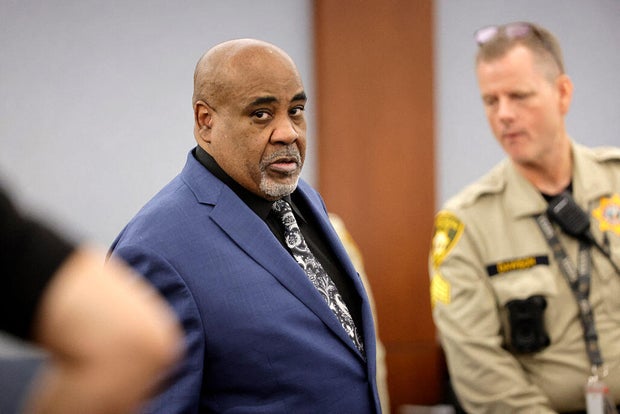
In later accounts, Davis said he obtained the gun used in the shooting and that his nephew, who has since died, was the person who opened fire. Prosecutors allege Davis orchestrated the killing. If convicted of murder with a deadly weapon with the intent to promote, further or assist a criminal gang, he could face life in prison. Davis has pleaded not guilty.
Steve Marcus / POOL /AFP via Getty Images
His attorney, Michael Sanft, has maintained that Davis exaggerated or invented portions of his story to gain attention and make money, while arguing that investigators did not independently verify the claims at the center of the case.
The defense’s final witness, retired Las Vegas homicide detective Dan Long, testified that he was unable to confirm several details Davis gave investigators during a 2009 police interview.
Among those claims, Davis told Long that his nephew, Orlando “Baby Lane” Anderson, went to a Las Vegas hospital after Shakur and others beat him during a casino fight hours before the rapper was shot. Long said he could not locate hospital records showing Anderson had received treatment there.
Long also tried unsuccessfully to locate records for a white Cadillac that Davis said had been rented before the shooting.
Asked by a juror whether he had been able to verify that Davis was actually in the Cadillac the night Shakur was killed, Long said Davis himself told him he was in the car and that the shooting came from it.
Reuters/Steve Marcus/Pool
On follow-up questioning by Sanft, Long acknowledged he had no independent facts outside of what Davis told him confirming he was in the Cadillac.
Prosecutors countered that Davis’ account matched information already developed by investigators. On cross-examination, Long testified that Davis identified the same four men investigators already believed were in the Cadillac when Shakur was shot.
Long also said he returned to Las Vegas after interviewing Davis in 2009 intending to seek an arrest warrant for murder because he believed there was probable cause, but prosecutors at the time told him to stand down while they reviewed the matter.
The defense also called two former Las Vegas police officers who were assigned to keep the peace at Knight’s home on the night of the shooting. They testified about vehicles entering and leaving the gated residence, including a cream- or white-colored Cadillac.
The case remained unsolved for decades before Davis’ public interviews and 2019 memoir helped revive scrutiny of the killing.
Prosecutors rested Wednesday after calling 24 witnesses. They contend Davis orchestrated Shakur’s killing in retaliation for the casino fight involving Anderson, and their case relied heavily on Davis’ own accounts over the years, including interviews, his memoir and recorded jail calls.