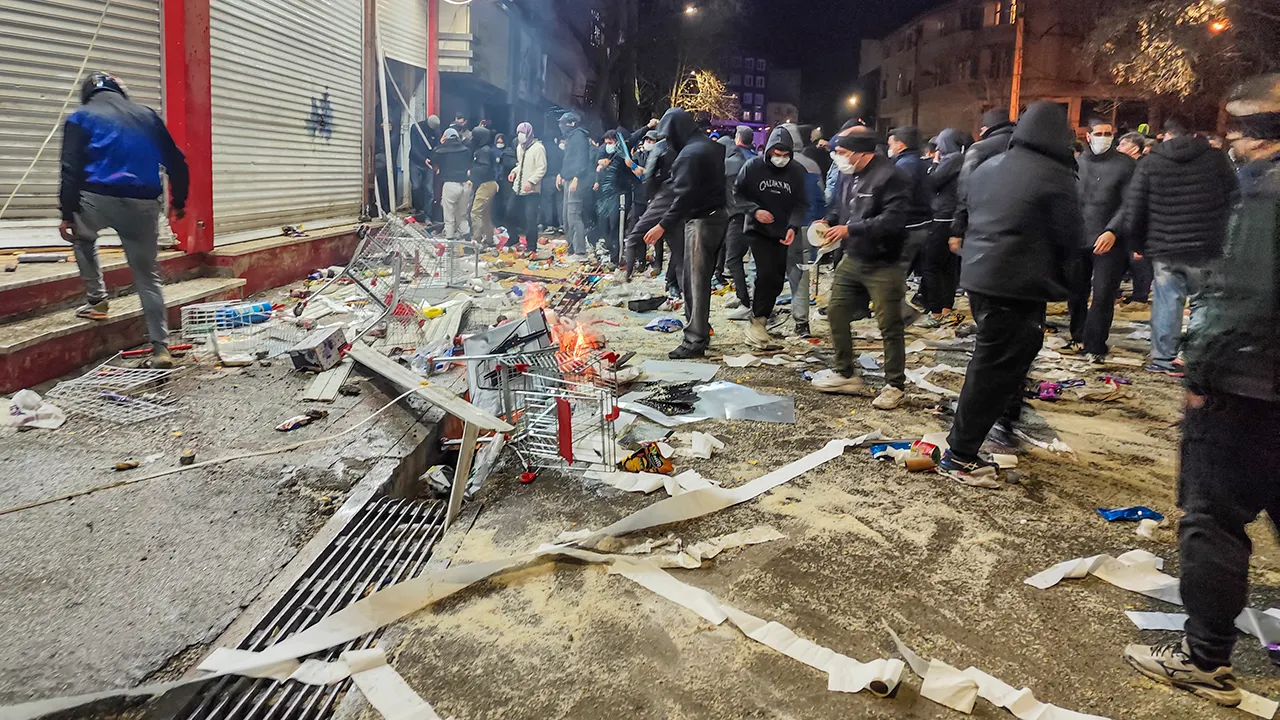
Hundreds of people took to the streets of western Iran on Tuesday after a bus crash killed 13 oil and gas workers, with the demonstrations quickly evolving into anti-government protests. Some demonstrators called for the restoration of the Pahlavi monarchy.
The unrest began in Abdanan, a city in Iran’s Ilam province near the Iraqi border. Residents first gathered to demand accountability over Saturday’s fatal crash, but their anger soon broadened into opposition to the Islamic Republic’s leadership.
Videos obtained by News Outlet showed large crowds marching through the city and chanting, “Death to the dictator!”
IRANIAN PROTESTER HANGED HOURS AFTER MARRYING HIS IMPRISONED FIANCÉE OVER JAIL PHONE LINE
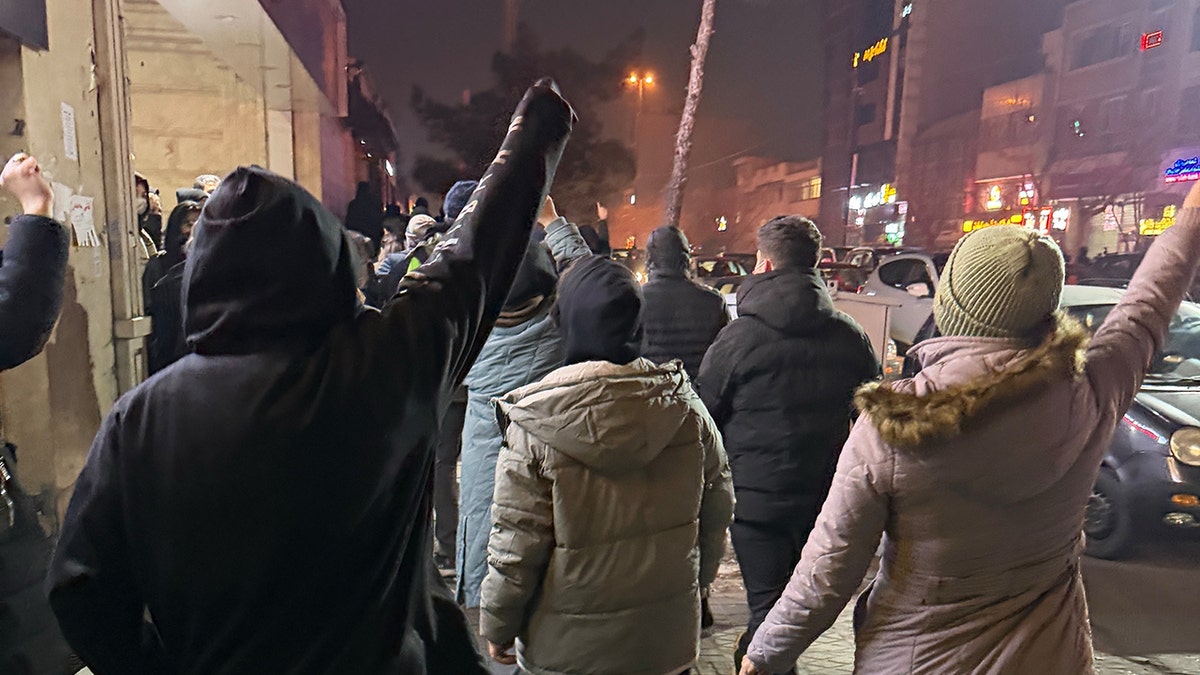
Protesters chant slogans during an anti-government demonstration in Tehran, Iran, on Thursday, Jan. 8, 2026, in an image obtained by The Associated Press. (UGC via AP)
Iranian-American journalist and foreign policy analyst Lisa Daftari said the unrest reflects the deeper political pressures confronting Tehran. “Abdanan is a reminder that the Islamic Republic sits on top of a dormant volcano,” Daftari told News Outlet. “These uprisings begin with different catalysts, and in this case it was a local grievance, but they always arrive at the same conclusion.”
“The slogans we hear are ‘Death to the Dictator’ and ‘Javid Shah,’ not complaints about a specific policy. They are an indictment of the entire system, top to bottom,” she said.
Reports published Wednesday said Iranian security forces had arrested at least seven people during the Abdanan unrest, including a 15-year-old boy.
The Hengaw Organization for Human Rights said two of those detained were later released, while the whereabouts of five others remained unknown. The Kurdistan Human Rights Network separately said security forces used tear gas against demonstrators and that internet access was disrupted during the crackdown.
Fars, a news agency affiliated with Iran’s Revolutionary Guard, acknowledged the protests. It reported that between 200 and 300 people initially gathered in Abdanan’s Vali-e Asr Square before the crowd swelled to about 1,000.
According to Fars, the demonstrations began with chants focused on the deadly crash but later took on a political tone. Police were deployed after protesters moved into nearby streets, AFP reported on Nov. 17.
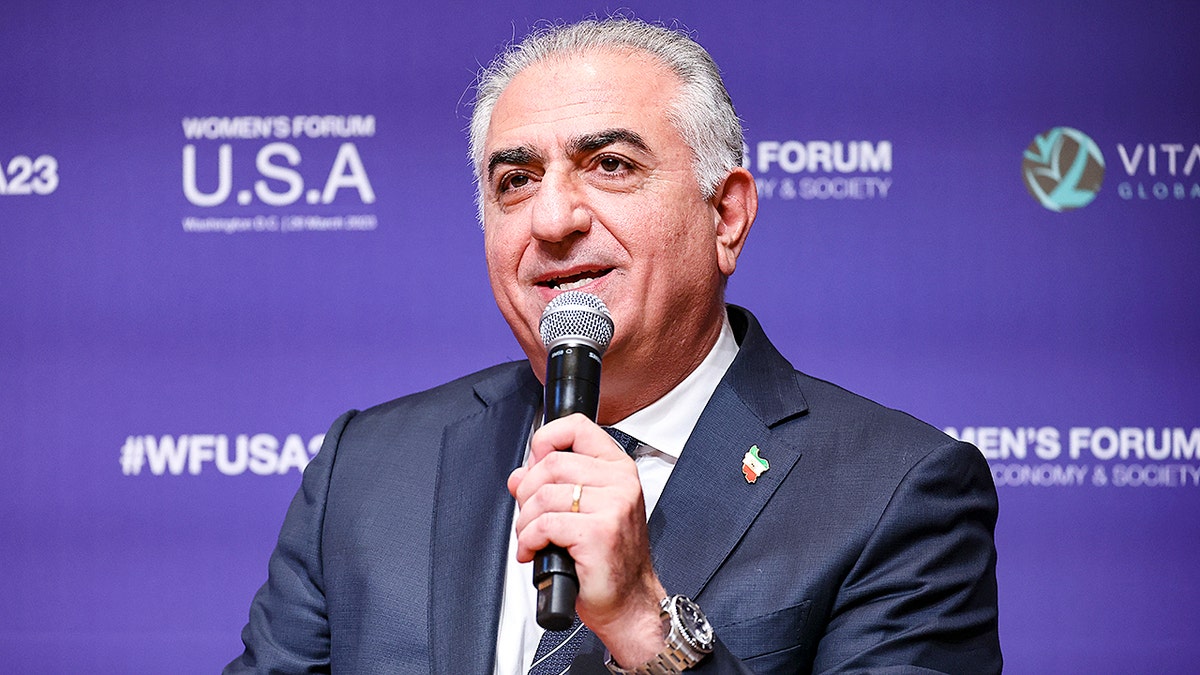
Reza Pahlavi, Iran’s exiled crown prince, said the Islamic Republic is “crumbling” and urged a democratic transition after recent U.S. and Israeli military strikes. (Paul Morigi/Getty Images)
The protests came after a bus carrying workers from the Dehloran gas processing project crashed Saturday. Iranian media reported that 13 people died and more than a dozen others were injured.
READ MORE: Bayer to Pay $7.25 Billion in Roundup Weed Killer Cancer Settlement
Euronews Persian reported on Nov. 17 that provincial traffic police cited driver negligence, problems with the company’s bus contract and insufficient road barriers as possible contributing factors. Prosecutors have initiated legal proceedings against the company and provincial transportation officials, though no responsibility has been established in court.
Authorities warned that attempts to intensify the demonstrations would not be tolerated.
“Individuals who seek to exploit this incident to disrupt public order or incite public sentiment will be dealt with firmly,” Abdanan prosecutor Amrollah Misaie said, according to Iran’s judiciary-affiliated Mizan news agency, as quoted by AFP on Nov. 17.
Daftari, editor-in-chief of The Foreign Desk, said the government’s most serious challenge could ultimately come from inside Iran, even as Tehran remains locked in confrontation with Washington and Jerusalem. “Whatever happens in the military standoff with the United States and Israel, Tehran will still face its most serious adversary at home,” she said.
She also highlighted the protesters’ willingness to return to the streets after an earlier deadly crackdown. “Despite thousands being killed by the regime for protesting in January, we still see bravery on the part of the Iranian people to tell the world of their grievances and to stand up to their murderers,” she said.
During the United Nations’ daily briefing Tuesday, News Outlet asked the U.N. spokesperson whether the organization was tracking events in Abdanan, including the conduct of Iranian security forces. “Well, we’re keeping an eye on the situation and we want to make sure that all peaceful protests are allowed to proceed without obstruction and without harassment of protesters,” the spokesperson said, adding that “certainly our human rights colleagues will continue to monitor the situation as we’ve done in the past.”
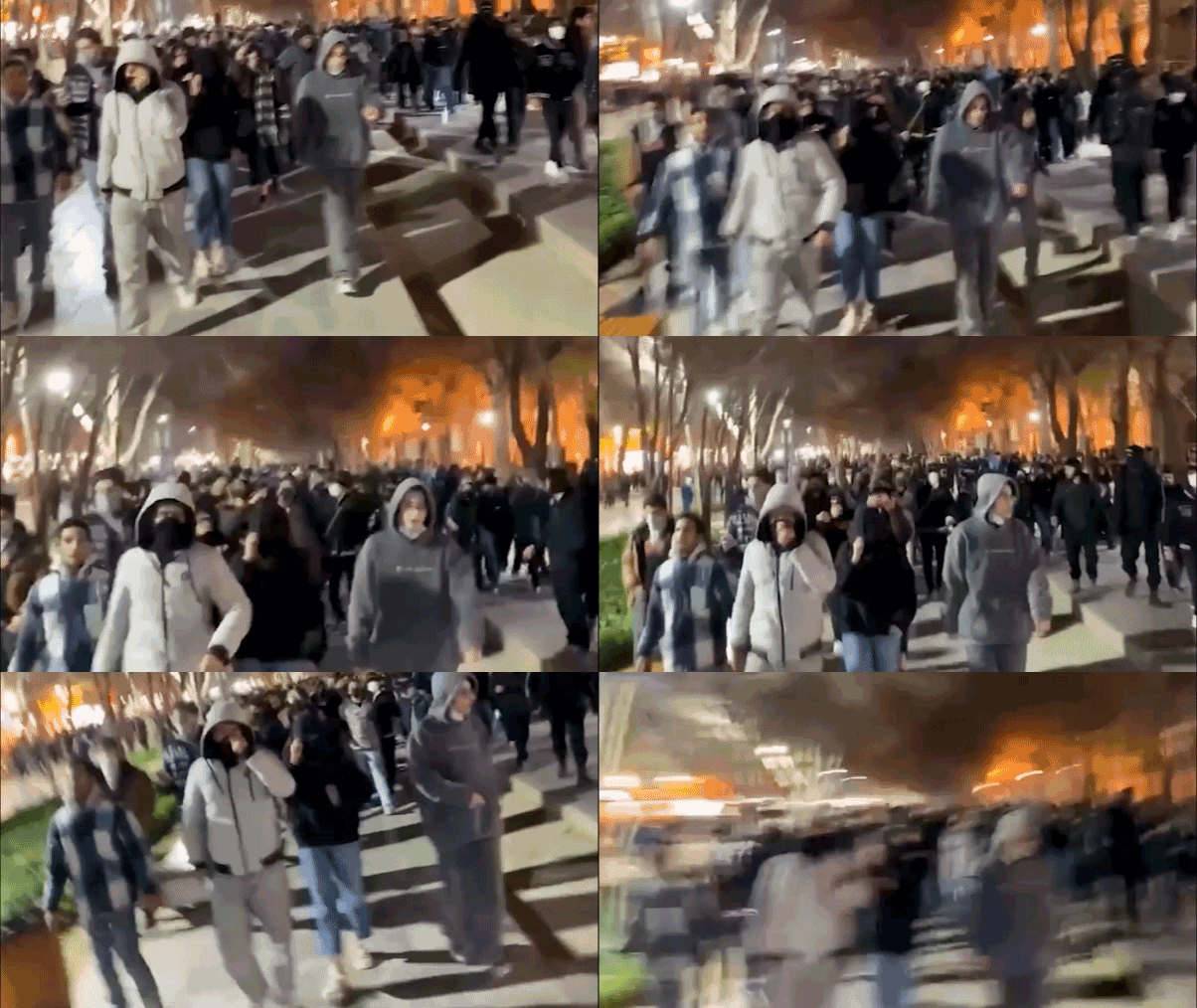
Hundreds of protesters fill the streets during a demonstration against Iran’s regime. (Simay Azadi)
The latest demonstrations are especially notable because Abdanan previously emerged as a flashpoint during Iran’s nationwide anti-government protests earlier this year.
Reuters reported on Jan. 9 that it had verified footage showing demonstrators marching through the city during the broader uprising against the Islamic Republic.
Tensions rose again during mourning ceremonies for protesters killed in the January unrest. Reuters reported on Feb. 18 that witnesses and activists said security forces opened fire on hundreds of mourners gathered at an Abdanan cemetery.

Iranian security forces stand near a crowd during demonstrations amid continuing unrest, according to images released by the opposition National Council of Resistance of Iran. (NCRI)
Tuesday’s protests represent another surge of public anger in a city that has recently seen repeated confrontations between residents and Iranian authorities.


