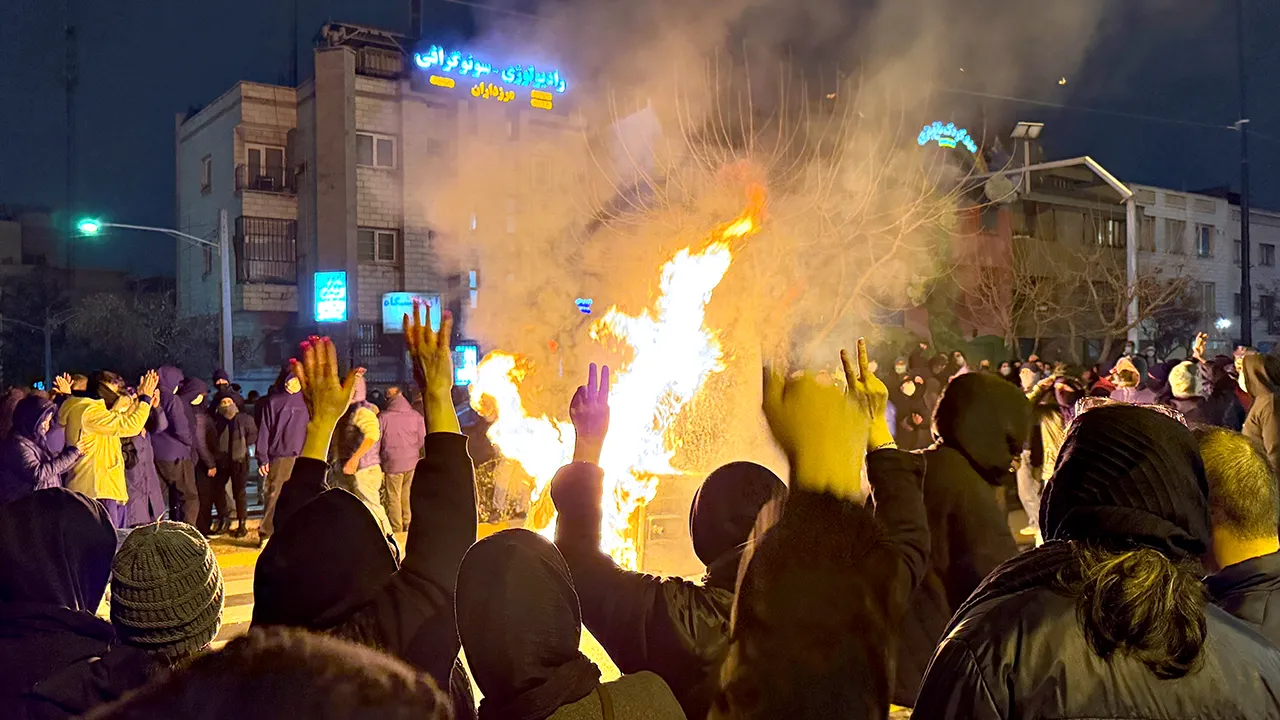

Two Iranian protesters accused of opposing the government could be executed within hours after spending three days in pre-execution detention at Ghezel Hesar Prison. Iran Human Rights (IHRNGO) says the men were sentenced to death after torture, coerced confessions and deeply unfair trials.
Milad Armoun, 27, and Navid Najaran, 34, are scheduled to be executed early Wednesday, Nov. 25, according to IHRNGO.
The men were moved to solitary confinement on Nov. 21 after Iran’s Supreme Court upheld their death sentences.
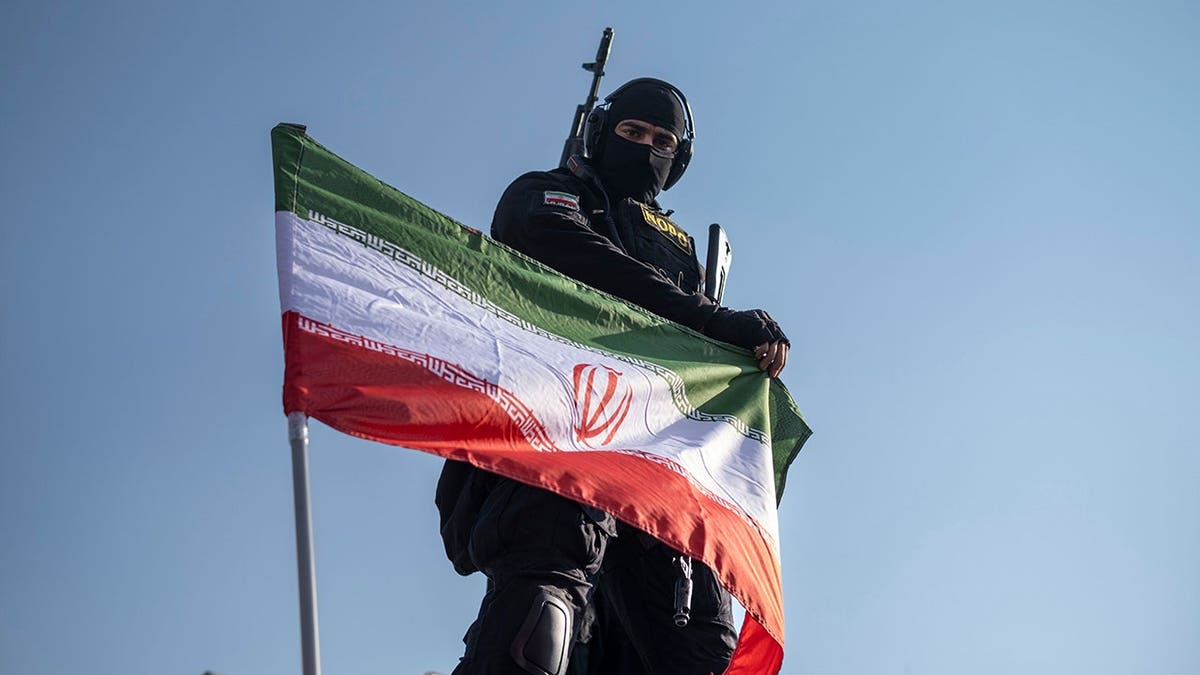
An armed member of Iran’s police special forces adjusts a national flag on an armored military vehicle during a pro-government rally in central Tehran on Jan. 12, 2026. The demonstration was held in opposition to recent anti-government unrest and in support of Supreme Leader Ayatollah Ali Khamenei. (NurPhoto via Getty Images)
Both men were arrested during Iran’s 2022 “Woman, Life, Freedom” uprising. They are defendants in the high-profile Ekbatan case, which centers on the death of a member of Iran’s Basij paramilitary force during nationwide anti-government protests.
Exiled Iranian Crown Prince Reza Pahlavi said on X on Tuesday that the executions were expected to take place at dawn.
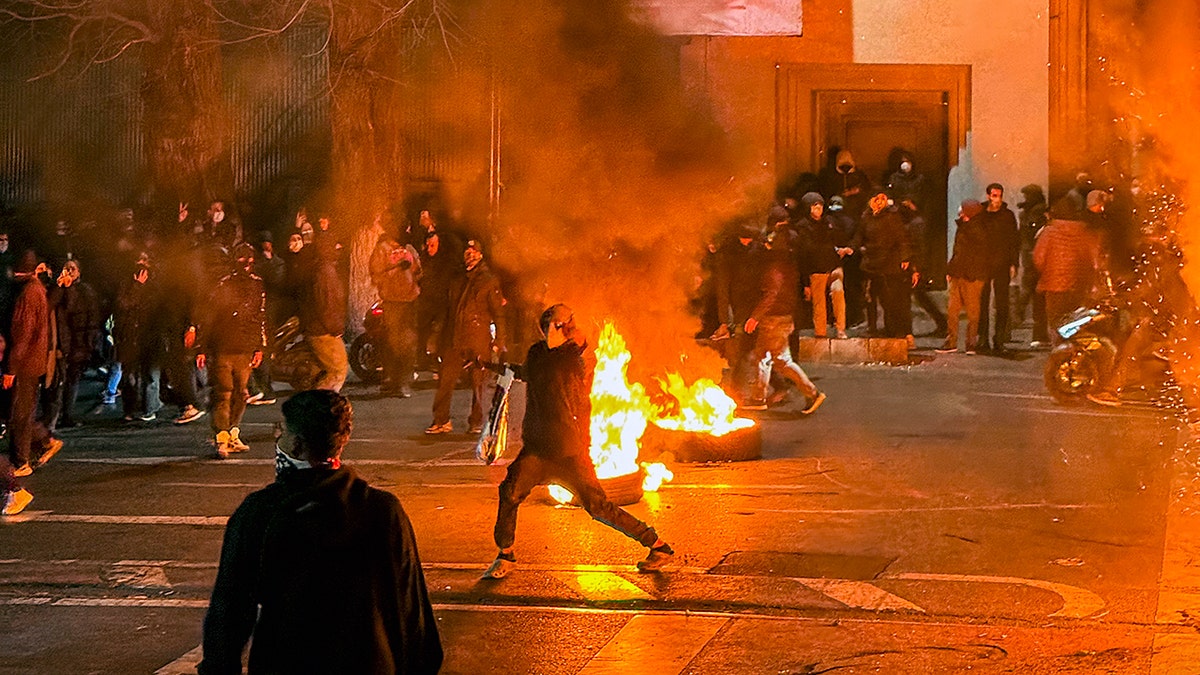
Iranians gather as they block a street during a protest in Tehran on Jan. 9, 2026. (Mahsa/ Middle East Images / AFP via Getty Images)
“Although they were acquitted of the murder charge, Milad Armoun and Navid Najaran were sentenced to death by ‘hanging judge’ Abolqasem Salavati,” IHRNGO said.
“The execution orders for the two political prisoners have been sent to their lawyers and are scheduled to be carried out at dawn on Wednesday, Azar 4.”
A source told IHRNGO that Armoun and Najaran had been held in Ward 33, which houses people accused of murder, before being transferred to solitary confinement ahead of their executions.
In May, Branch 15 of Tehran’s Revolutionary Court, led by Judge Abolqasem Salavati, sentenced the men to death on charges of efsad-fil-arz, or “corruption on earth,” a capital offense under Iranian law.
Human rights organizations have long criticized Salavati’s handling of political cases and the severe sentences he has imposed on opponents of Iran’s government.
Mahmood Amiry-Moghaddam, director of Iran Human Rights, denounced the sentences and urged the international community to intervene immediately.
“Milad Armoun and Navid Najaran were sentenced to death after torture, forced confessions and grossly unfair trials. Their executions would be an irreversible injustice and another example of the Islamic Republic using the death penalty as an instrument of political repression,” Amiry-Moghaddam said.
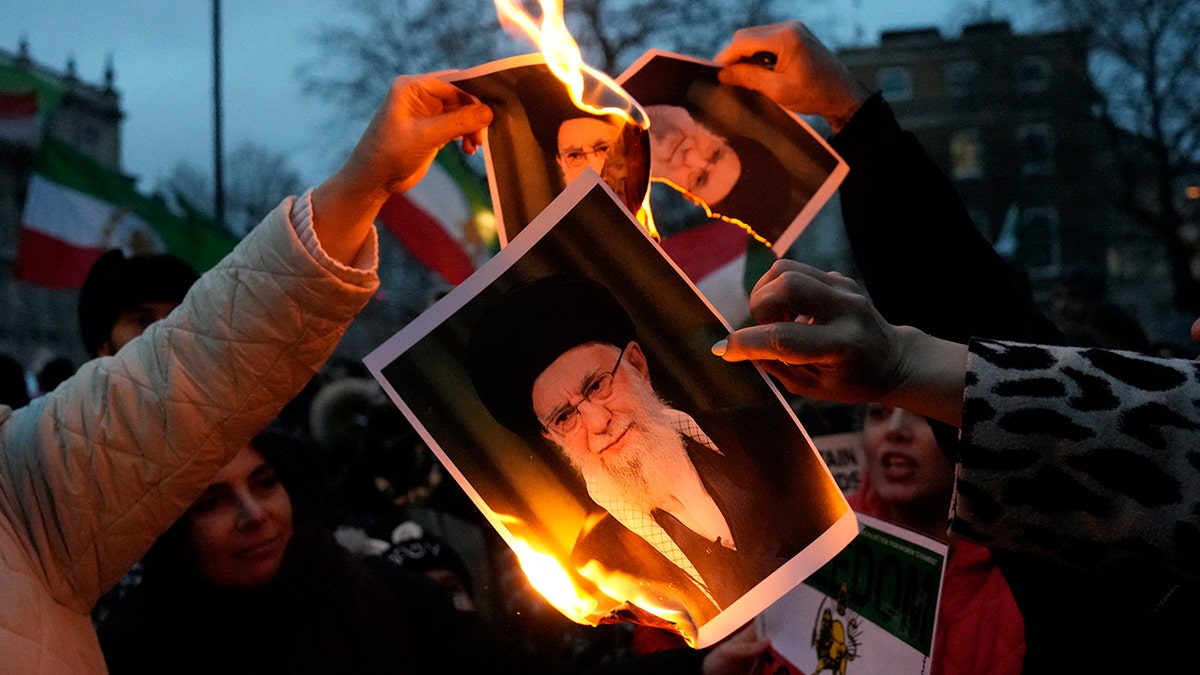
Protesters burn images of Ayatollah Ali Khamenei during a Jan. 11, 2026, rally in central London organized by the National Council of Resistance of Iran in solidarity with Iran’s uprising. The demonstration protested the regime’s crackdown on internet access and recognized protesters’ right to self-defense against government forces. (Carlos Jasso/AFP via Getty Images)
“Strong international reactions may be the only way to save their lives. We urge the United Nations and all governments with diplomatic relations with the Islamic Republic to intervene immediately and stop these executions,” Amiry-Moghaddam said.
The Ekbatan case involves the death of Arman Aliverdi, a member of the Basij, a volunteer paramilitary force affiliated with Iran’s Islamic Revolutionary Guard Corps, or IRGC.
Aliverdi was injured during unrest in Tehran’s Ekbatan neighborhood in 2022 and died two days later. Iranian authorities accused several protesters of taking part in his death.
Armoun was arrested in Tehran in November 2022, while Najaran was detained the following month in Ahvaz.
Iran Human Rights said both men were tortured and subjected to other forms of mistreatment in an effort to obtain self-incriminating confessions. Those statements were later broadcast by Iranian state media, the organization alleged.
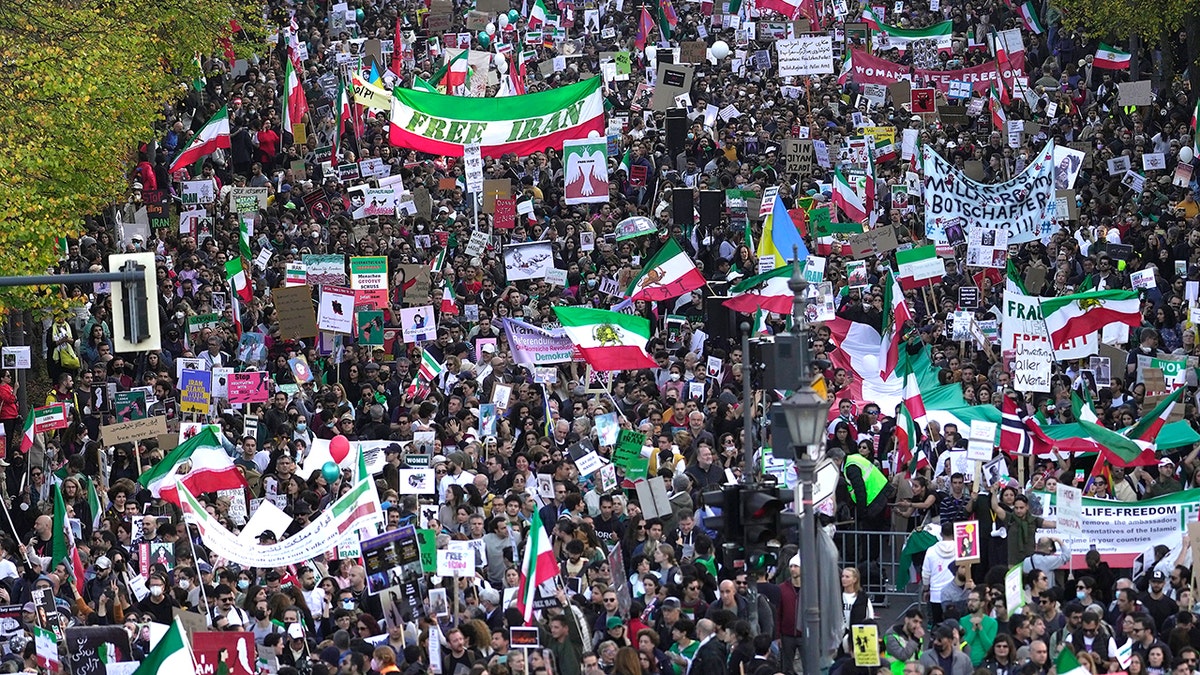
People attend a protest against Iran’s government in Berlin on Saturday, Oct. 22, 2022, following the death of Mahsa Amini in the custody of the Islamic Republic’s notorious “morality police.” (Markus Schreiber/ AP Photo)
Defense lawyers also accused judicial authorities of preventing attorneys from attending hearings, withholding case files and obstructing appeals.
Earlier death sentences connected to the murder allegations were overturned, and Najaran was acquitted of involvement in the killing in a separate proceeding. The Revolutionary Court later imposed new death sentences under Iran’s national security laws.
Human rights organizations said the death sentences against two other defendants, Mehdi Imani and Seyed Mohammad Mehdi Hosseini, were overturned and their cases sent back for retrial.
The “Woman, Life, Freedom” movement began in 2022 after the death of Mahsa Amini, a 22-year-old Kurdish Iranian woman detained by morality police over allegations that she had improperly worn her hijab.
The protests spread across Iran and became one of the most serious challenges to the country’s clerical leadership in decades.


