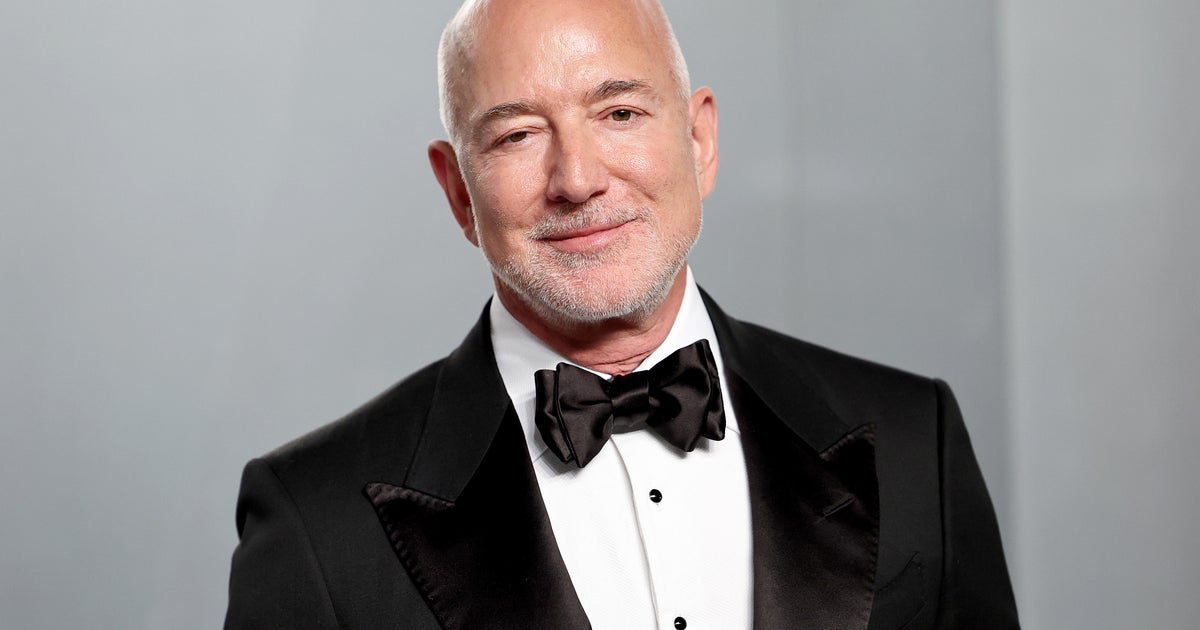

Amazon’s founder, Jeff Bezos, recently shared his views on federal income taxes with CNBC. He suggested that individuals in the lower 50% of income earners should be exempt from paying federal taxes. Bezos believes that removing these taxes could alleviate financial burdens and foster entrepreneurial ventures.
Currently, the bottom half of American taxpayers contribute approximately 3% to the federal income tax pool. Bezos, who transitioned from his role as Amazon’s CEO in 2021, advocates for this percentage to be reduced to “zero.” As of now, he stands as the world’s fourth wealthiest individual, with an estimated net worth of $279 billion, as per the Bloomberg Billionaires Index.
In contrast, the top 1% of earners are responsible for around 40% of the federal income tax contributions, according to data from the Tax Foundation, a nonpartisan organization focused on tax policy.
Bezos’ remarks coincide with ongoing efforts by some Democratic lawmakers at both state and federal levels to introduce new wealth taxes targeting the affluent, including millionaires and billionaires. Meanwhile, a tax and spending bill championed by Republicans has been criticized for providing tax breaks that largely benefit the wealthiest households.
Bezos expressed that the government could enhance opportunities for those currently facing financial hardships by removing their tax liabilities, potentially paving the way for them to succeed in entrepreneurial endeavors.
He further illustrated his point by mentioning, “Perhaps they could become the next Steve Jobs,” alluding to the iconic Apple co-founder.
Zero taxes, not lower taxes
Bezos made it clear that he’s not calling for a reduction in income tax for lower-income families.
“I don’t want to reduce it, I want to eliminate it,” he told CNBC’s Andrew Ross Sorkin. “I think there’s something very powerful about zero. Zero is a better number than $1.”
Bezos stated his views as some Democratic states are proposing taxes on ultra-wealthy residents. Last month, proponents of a proposal to tax California billionaires obtained enough signatures for the measure to appear on the November ballot. The measure would impose a one-time 5% tax on Californians with net worths of $1 billion or more.
In March, U.S. Sen. Elizabeth Warren, a Massachusetts Democrat, introduced the Ultra-Millionaire Tax Act of 2026. The bill calls for an annual 2% tax on households and trusts worth more than $50 million, plus an extra 1% tax on billionaires’ wealth. It also proposes a 40% “exit tax” on individuals worth more than $50 million who renounce their American citizenship.
Additionally, Sen. Cory Booker of New Jersey has proposed the Keep Your Pay Act, which would eliminate taxes on the first $75,000 for households filing joint tax returns.
Under the federal income-tax system, the bottom half of taxpayers — those making less than $53,801 annually — faced an average income-tax rate of 3.7% in 2023, Tax Foundation data shows. The top 1% paid an average rate of 26.3%.


