
Alex Murdaugh’s defense team seeks new DNA testing in retrial
Criminal defense attorney Donna Rotunno discussed the latest defense filings in the Alex Murdaugh murder case, focusing on a request for independent DNA analysis of material recovered from beneath Maggie Murdaugh’s fingernails. Rotunno said any available genetic evidence should be examined fully in the pursuit of truth and justice, regardless of where the results may lead in the South Carolina double-murder case.
Attorneys for Alex Murdaugh are seeking help from a Texas forensic DNA laboratory with a track record in major murder investigations, asking that it analyze unknown male DNA found under Maggie Murdaugh’s fingernails as the former South Carolina lawyer prepares for a new double-murder trial.
Murdaugh, formerly a prominent personal injury attorney in South Carolina’s Lowcountry, was found guilty in 2023 of murdering his wife, Maggie, 52, and their younger son, Paul, 22, at the family’s hunting property in June 2021. Those convictions were later thrown out, and a retrial has been tentatively scheduled for April 2027.
The defense has highlighted DNA recovered from beneath Maggie’s fingernails that they contend came from an unknown male with no relation to the family. Murdaugh’s lawyers are asking that Othram Inc., a Houston-area forensic genetic genealogy company known for its work in high-profile killings and long-unsolved cold cases, conduct independent testing.
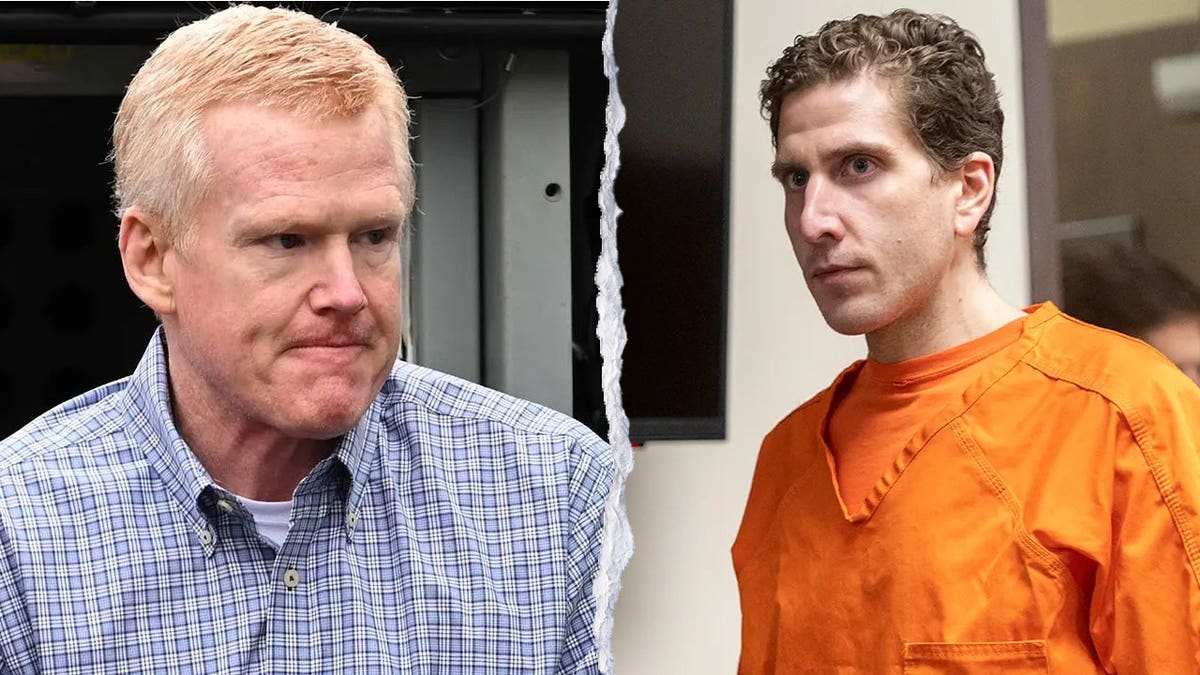
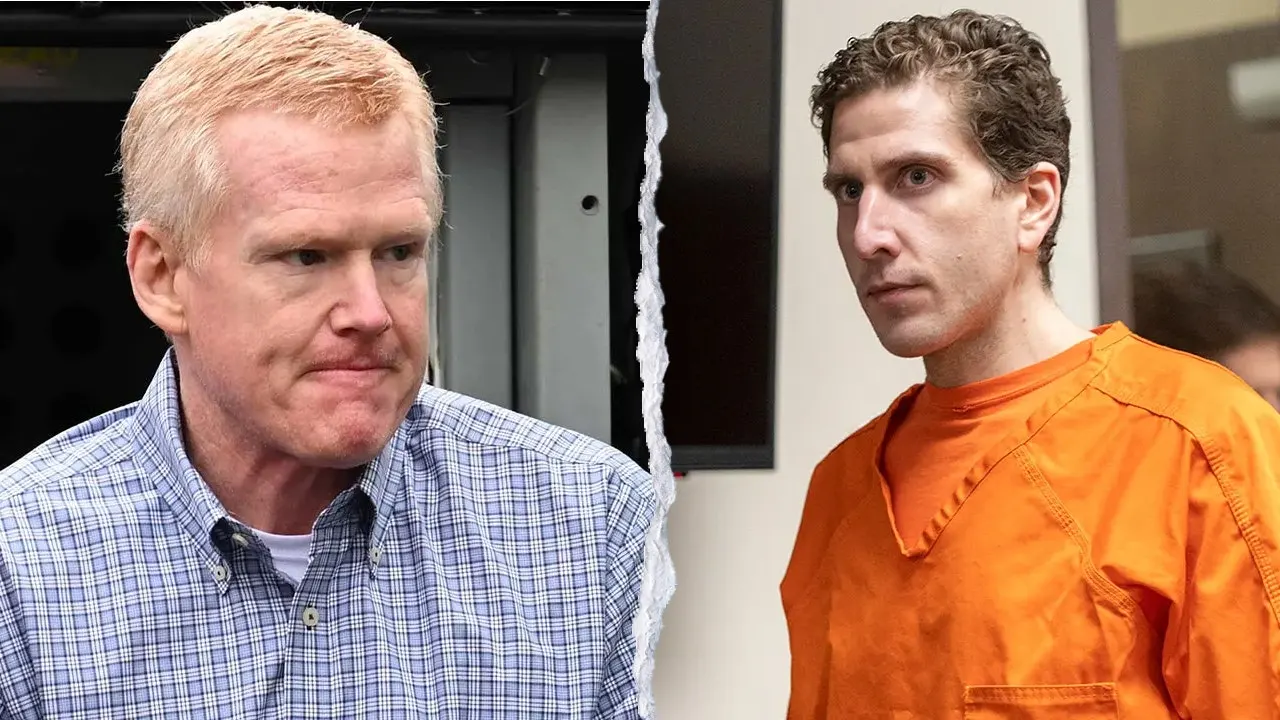
Alex Murdaugh, left, and Bryan Kohberger, right. (Mark Sims for News Agency; Zach Wilkinson-Pool/Getty Images)
Prosecutors have pushed back on the need for more DNA testing, saying the evidence was already examined by the South Carolina Law Enforcement Division, or SLED. According to the state, the results showed a mixture of Maggie’s DNA and a “very partial and incomplete” profile from another contributor, with too little identifying data to upload to CODIS, the national DNA database.
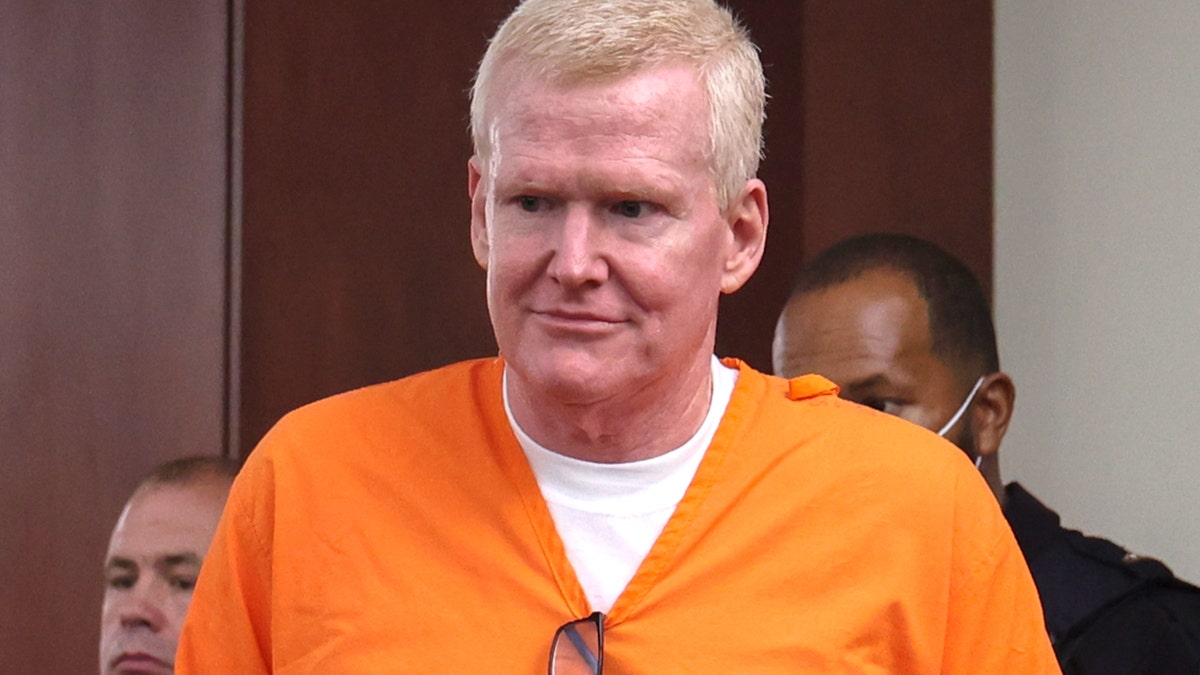
Alex Murdaugh arrives for a judicial hearing on Monday, June 29, 2026, at the Marc H. Westbrook Judicial Center in Lexington, South Carolina. Murdaugh is set to be retried in the June 7, 2021, shooting deaths of his wife and son after his original conviction was overturned due to jury tampering. (Tracy Glantz/The State via Pool)
Othram, headquartered in The Woodlands, Texas, focuses on advanced DNA analysis and forensic genetic genealogy, a technique that can help identify suspects or unknown victims when standard law enforcement databases fail to generate a match.
Here are some of the high-profile cases Othram has helped crack.
Othram’s work came under national scrutiny in the investigation into the 2022 murders of four University of Idaho students: Madison Mogen, Kaylee Goncalves, Xana Kernodle and Ethan Chapin.
Investigators recovered DNA from a knife sheath found near one of the victims inside the off-campus Moscow, Idaho, home where the students were killed. Othram has said Idaho State Police Forensic Services, Moscow police and the FBI teamed with the company to help identify Bryan Kohberger as the suspect.
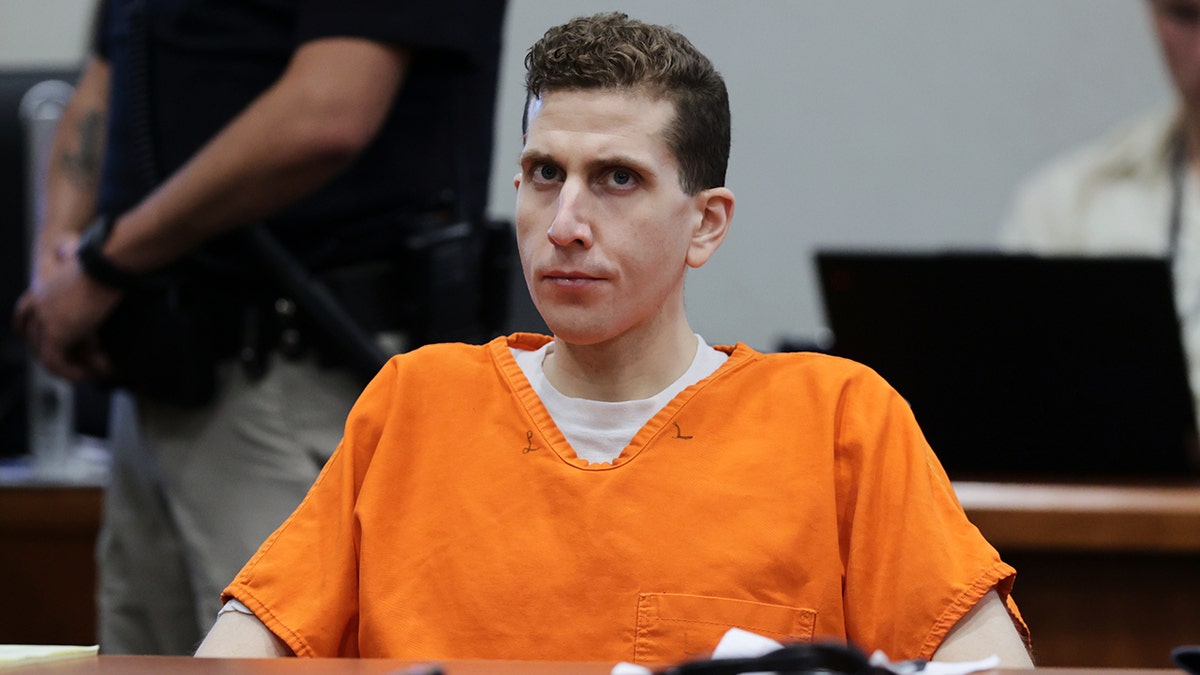
Bryan Kohberger appears at the Ada County Courthouse in Boise, Idaho, on July 23, 2025, for sentencing in the University of Idaho murders case, where prosecutors relied heavily on cellphone location data and digital evidence. (Photo by Kyle Green-Pool/Getty Images)
Kohberger later pleaded guilty to four counts of murder and was sentenced to life in prison without parole.
Othram also played a role in the investigation into the killing of Rachel Morin, a Maryland mother of five whose body was found near the Ma & Pa Trail in Bel Air in August 2023. Harford County authorities and the FBI worked with Othram after DNA evidence did not immediately identify the unknown male suspect through traditional methods.
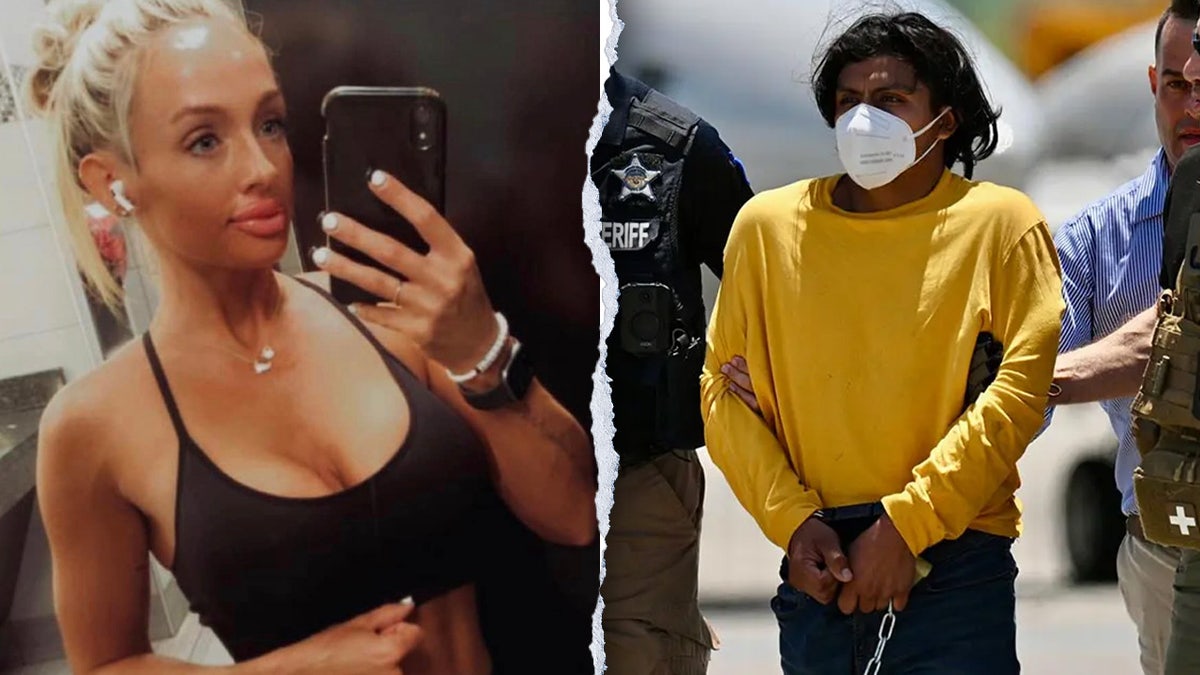
Victor Martinez-Hernandez, right, was convicted of killing Rachel Morin. (Tulsa Police Department/ Facebook)
Victor Antonio Martinez-Hernandez, an illegal immigrant from El Salvador, was later arrested and charged in Morin’s rape and murder. He was convicted in 2025.
The 1974 murder of 17-year-old Carla Walker in Fort Worth, Texas, went unsolved for more than four decades before advanced DNA testing helped investigators identify her killer. Walker was abducted, raped, tortured and murdered after attending a Valentine’s Day dance with her boyfriend.
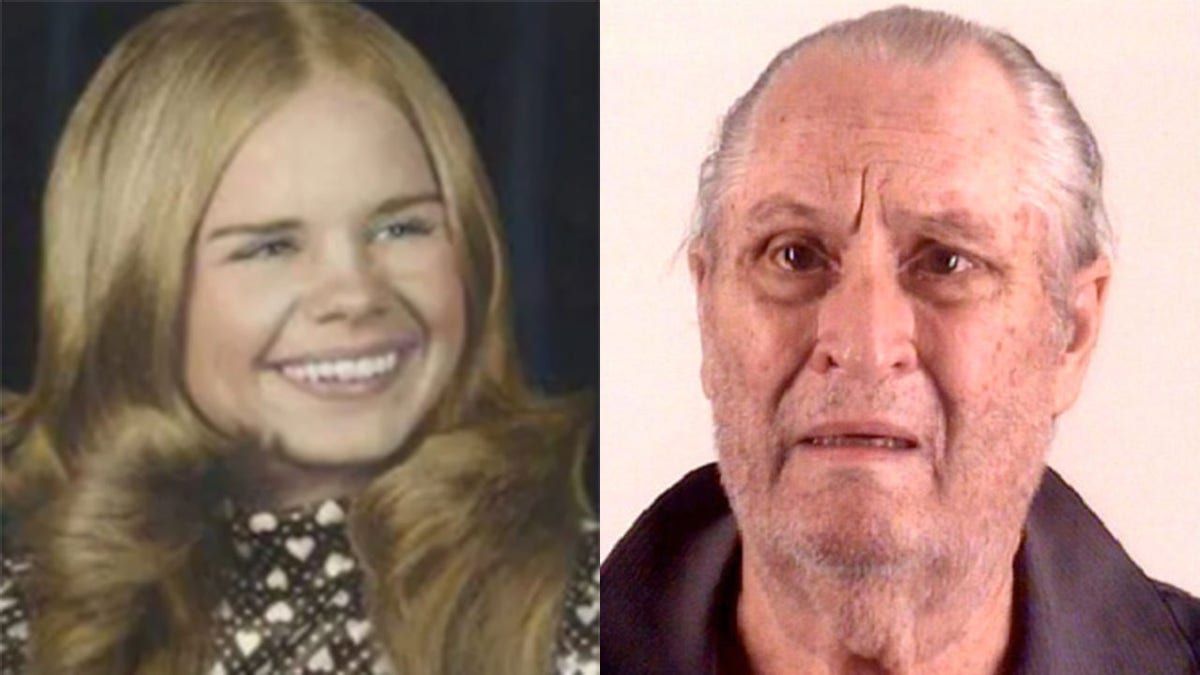
Carla Walker was 17 when she was tortured and killed in Fort Worth, Texas, in 1974. Glen Samuel McCurley, 77, has been indicted on a capital murder charge in her death. (Fort Worth Police, Tarrant County Sheriff’s Office)
A break came in 2020 after crime scene DNA was uploaded to a public genealogy website, leading to the identification of then 77-year-old Glen Samuel McCurley. Authorities confirmed the match after obtaining his DNA from trash.
Othram worked with Fort Worth police to identify McCurley as the man responsible. McCurley later pleaded guilty to murder, giving Walker’s family answers after 46 years.
One of New England’s most infamous unidentified victim cases was solved with help from Othram nearly 50 years after a woman’s body was found in the dunes of Provincetown, a summer vacation hot spot at the tip of Massachusetts in 1974. The 49-year-old cold case was eventually solved in August 2023.
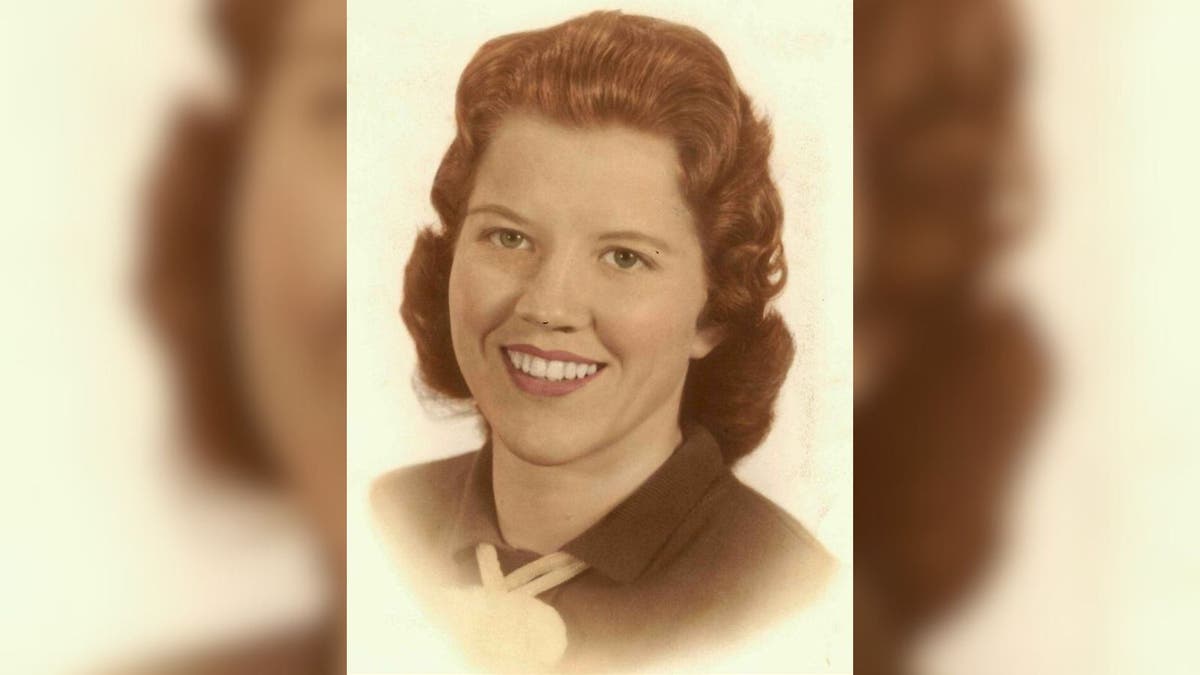
Ruth Marie Terry, “Lady of the Dunes,” was found dead in 1974. (FBI Boston)
The woman, long known only as the “Lady of the Dunes,” was found dead in 1974. For decades, authorities could not determine her name. The FBI, Massachusetts State Police, Provincetown police and prosecutors partnered with Othram to identify her as Ruth Marie Terry. Her husband at the time, Guy Rockwell Muldavin, was identified as her killer, Cape and Islands District Attorney Robert Galibois said.
Terry was a 37-year-old Tennessee native newlywed when her nearly decapitated body was found in the sand dunes. Muldavin and Terry were married only a few months before she vanished. For decades, she was only known as “Lady of the Dunes” until her jaw was tested using genetic genealogy at Othram.
Othram’s technology was also used to help identify Karen Vergata, previously known as “Fire Island Jane Doe,” in a case tied to the broader Gilgo Beach investigation on Long Island.
Vergata’s remains were found in 1996, but she was not publicly identified until decades later. In 2022, the Suffolk County Police Department in collaboration with the FBI teamed with Othram to determine if advanced DNA testing could help to identify “Fire Island Jane Doe.”
Vergata was 34 years old at the time of her death and she went missing on Valentine’s Day in 1996.
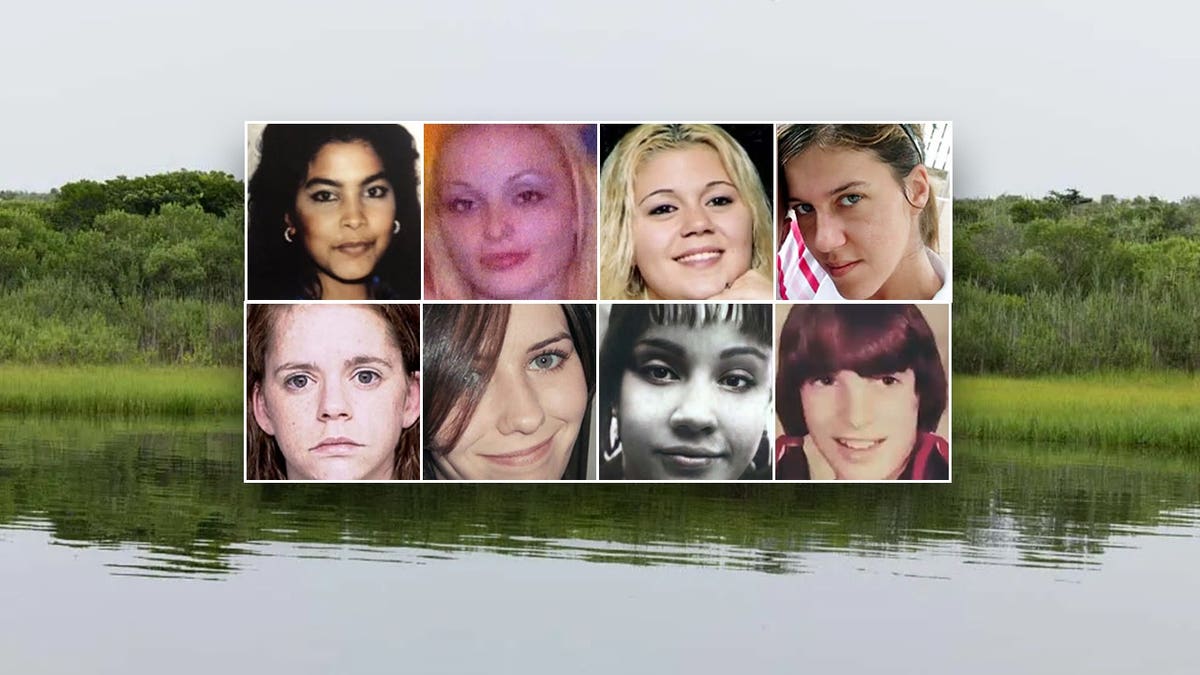
The remains of Sandra Costilla, Melissa Barthelemy, Megan Waterman, Amber Costello, Valerie Mack, Maureen Brainard-Barnes, Jessica Taylor and Karen Vergata were found scattered throughout Long Island, New York. (News Agency)
In April 2026, Rex Heuermann admitted that he intentionally killed Vergata, along with seven other women, as part of a plea agreement.
The request for Othram testing does not mean the unknown DNA will change the outcome of Murdaugh’s case. Still, Murdaugh’s attorneys are expected to argue the testing could support an alternate-suspect theory as they prepare for a second trial.
“They decided that night he was the guy and everything they did after that excluded any other thought,” Murdaugh’s lead defense attorney, Dick Harpootlian, previously told News Agency. “And that’s why they have no evidence connecting him with the murder scene.”
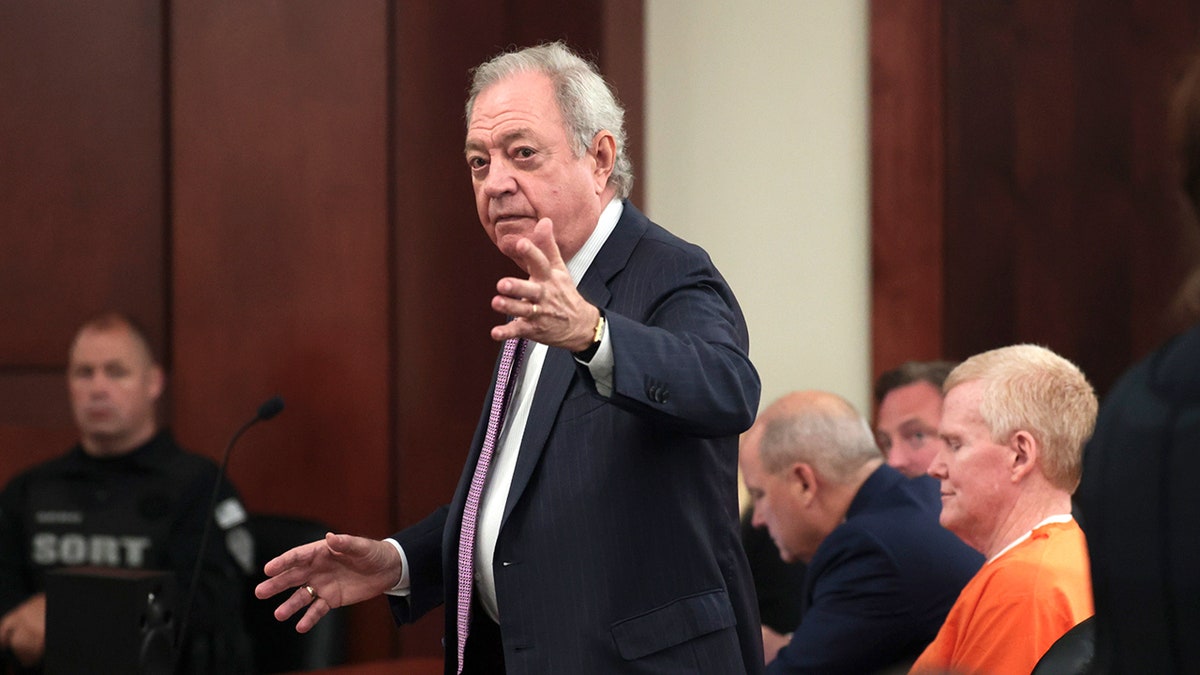
Defense attorney Dick Harpootlian represents his client, Alex Murdaugh, on Monday, June 29, 2026, at a status hearing at the Marc H. Westbrook Judicial Center in Lexington, South Carolina. Murdaugh will be retried in the June 7, 2021, shooting deaths of his wife and son, after his original conviction was overturned due to jury tampering. (Tracy Glantz/The State via Pool)
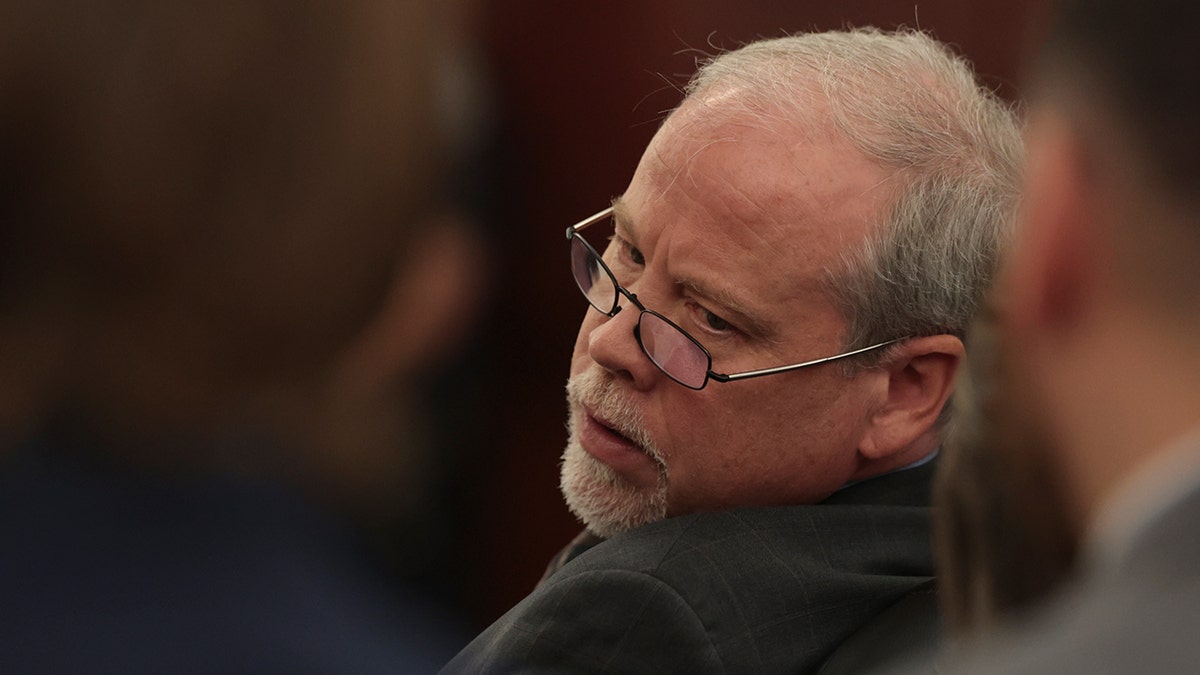
Prosecuting attorney Creighton Waters participates in a judicial hearing on Monday, June 29, 2026, at the Marc H. Westbrook Judicial Center in Lexington, South Carolina. Alex Murdaugh will be retried in the June 7, 2021, shooting deaths of his wife and son, after his original conviction was overturned due to jury tampering. (Tracy Glantz/The State via Pool)
The state, however, characterized the request as unsupported and aimed more at “public consumption” than viable forensic evidence.
During Murdaugh’s first status hearing on Monday, June 29, Judge Debra McCaslin did not rule on the DNA evidence, telling defense attorneys to clarify if the sample was viable.
News Agency reached out to Othram.