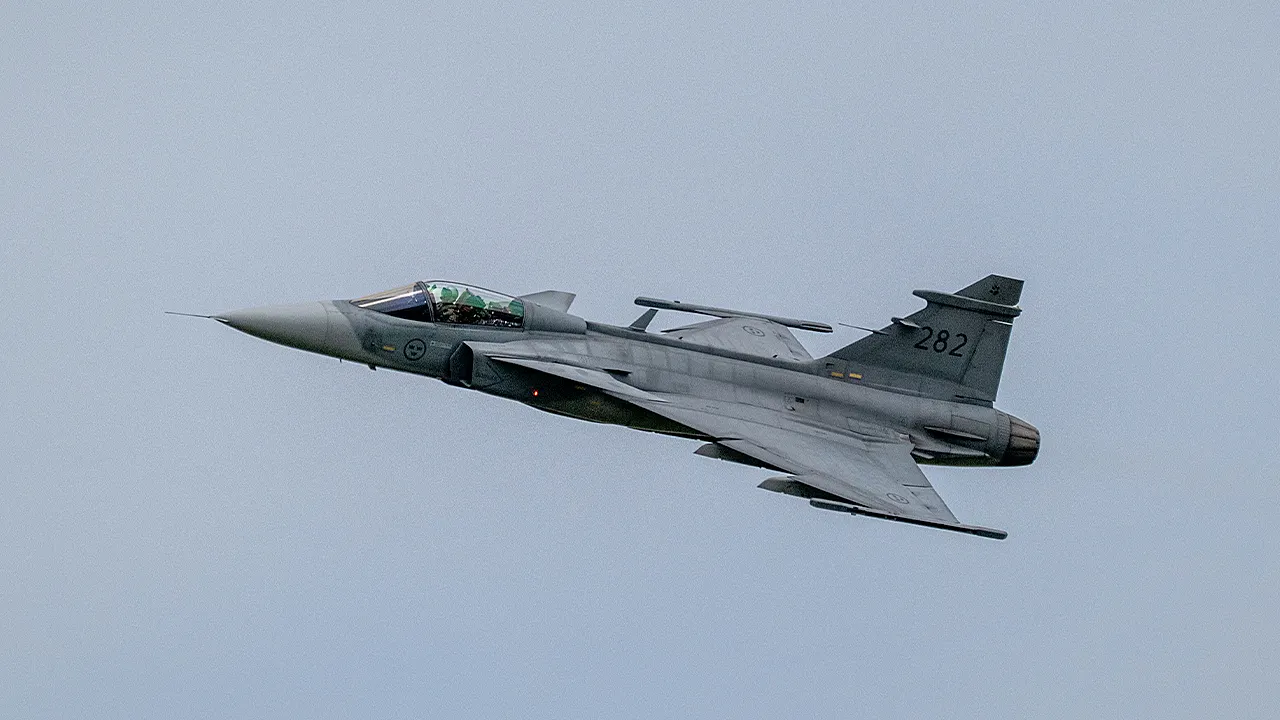

Poland said Tuesday it had renewed its appeal for a permanent U.S. military presence after two Russian airspace violations in four days. In one of the incidents, a Swedish fighter jet operating under NATO command was authorized to fire on a Russian cruise missile but ultimately held its fire.
The latest breach occurred overnight on Nov. 24, when a Russian drone briefly entered Polish airspace during a wave of attacks on Ukraine. The incident came four days after three Russian Kh-101 cruise missiles crossed into Poland, prompting NATO to scramble fighter aircraft and strengthen air defenses along its eastern flank.
Bogdan Klich, Poland’s chargé d’affaires in Washington, said Tuesday that he had briefed the White House National Security Council on the violations and renewed Warsaw’s request for the permanent stationing of U.S. troops in Poland.
“Yesterday, I briefed the U.S. National Security Council on the violation of Polish airspace by Russian Kh-101 missiles and once again discussed the issue of the permanent deployment of U.S. troops in Poland,” Klich wrote on X.
The diplomatic effort follows the latest incidents involving Russian military assets, intensifying concerns that Moscow’s war in Ukraine could spill into NATO territory.
The Nov. 20 violation involved a Swedish JAS 39 Gripen pilot operating under NATO command who was cleared to engage a Russian Kh-101 cruise missile, according to Lt. Gen. Ireneusz Nowak, commander of Poland’s Armed Forces Operational Command, as reported by The Kyiv Independent.
NATO’s Combined Air Operations Centre in Uedem, Germany, issued conditional authorization to fire. However, severe weather prevented the pilot from positively identifying the object either visually or with the aircraft’s onboard electro-optical systems, Nowak said. No weapons were launched.
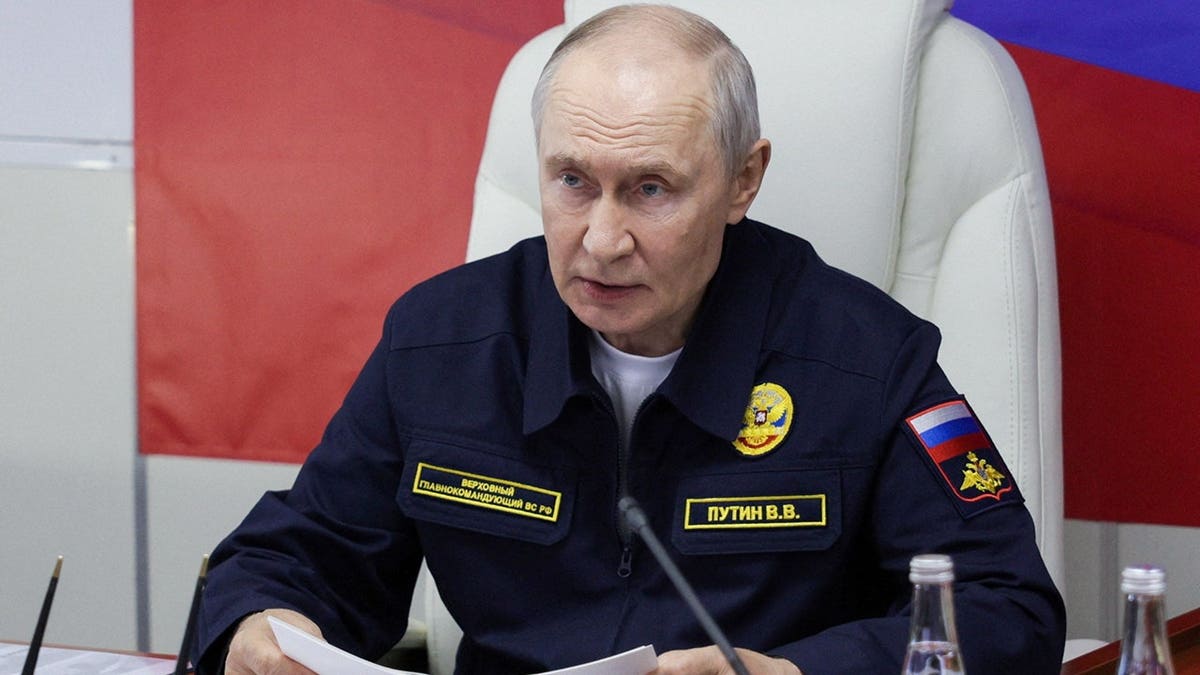
Russian President Vladimir Putin chairs a meeting aboard the missile cruiser Varyag in Russia’s far eastern Sakhalin region Aug. 12, 2026. Putin has previously denied that Russia is conducting a sabotage campaign against Europe. (Reuters/File)
Polish authorities detected 11 potentially threatening aerial objects during the attack, three of which entered the country’s airspace, Nowak said.
The Swedish Armed Forces said its aircraft tracked several unidentified objects over Poland during a mission that lasted several hours in challenging weather conditions.
Polish F-16 fighter jets, a Swedish Saab 340 early warning aircraft, a Dutch aerial refueling plane and ground-based air defense systems also took part in the operation.
Polish prosecutors said Sunday that debris recovered from three locations came from Russian Kh-101 cruise missiles. The finding revised an initial military assessment that one of the objects could have been a drone, according to reports.
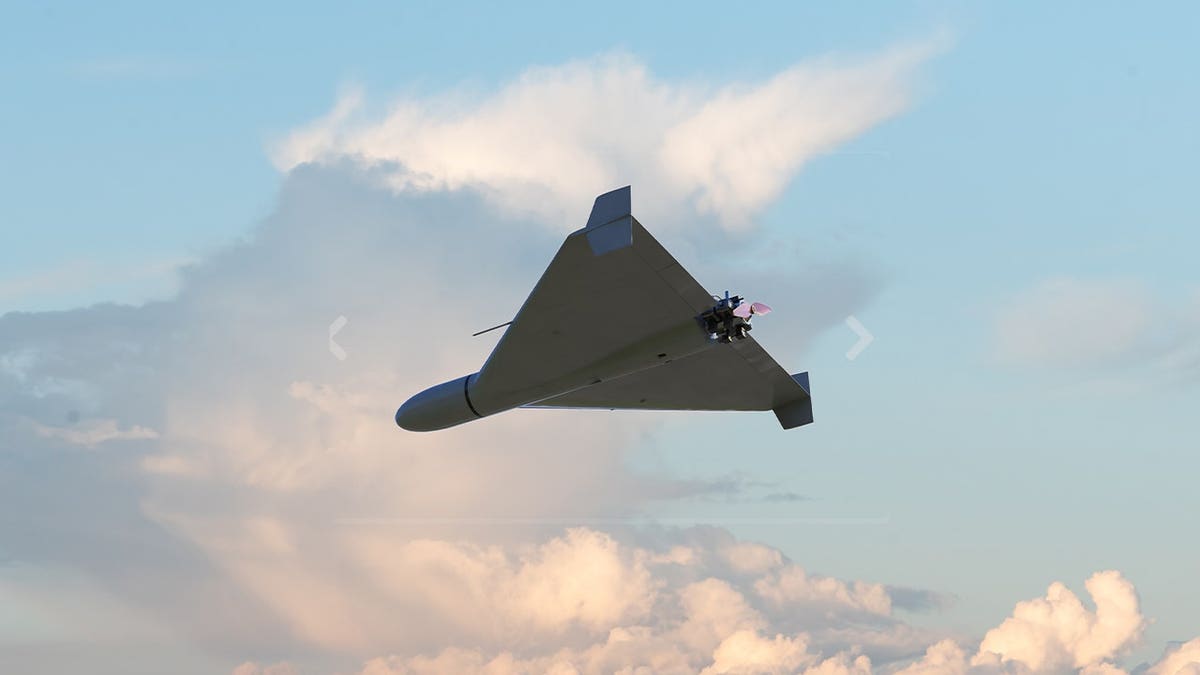
The warning comes as NATO deals with a series of airspace violations, drone incidents and hybrid activity along its eastern flank. NATO’s military leadership said Friday that Russia’s actions continue to “test Allied resolve.” (Olena Bartienieva/Getty Images)
NEXT UP: The Black Friday Trick That Could Be Costing Shoppers Money
Prosecutors said preliminary findings showed that the missiles were manufactured in October or November 2026 at a plant in Dubna, in Russia’s Moscow region.
The second breach occurred overnight on Nov. 24, when a Russian drone crossed into Polish airspace from Ukraine during another Russian strike campaign.
Polish forces tracked the unmanned aircraft and received authorization to destroy it. They did not fire, however, after the drone changed course and began moving east, citing the potential danger to civilians and property on the ground.
Deputy Defense Minister Paweł Zalewski said Polish authorities believed the airspace violation was intentional.
“It’s hard to imagine this being a coincidence, so we assume it was an intentional act,” Zalewski told RMF FM, according to Reuters.
Following an emergency meeting of the North Atlantic Council on Monday, Nov. 23, NATO’s supreme allied commander in Europe authorized the forward deployment of an Airborne Warning and Control System, or AWACS, aircraft to Poland.
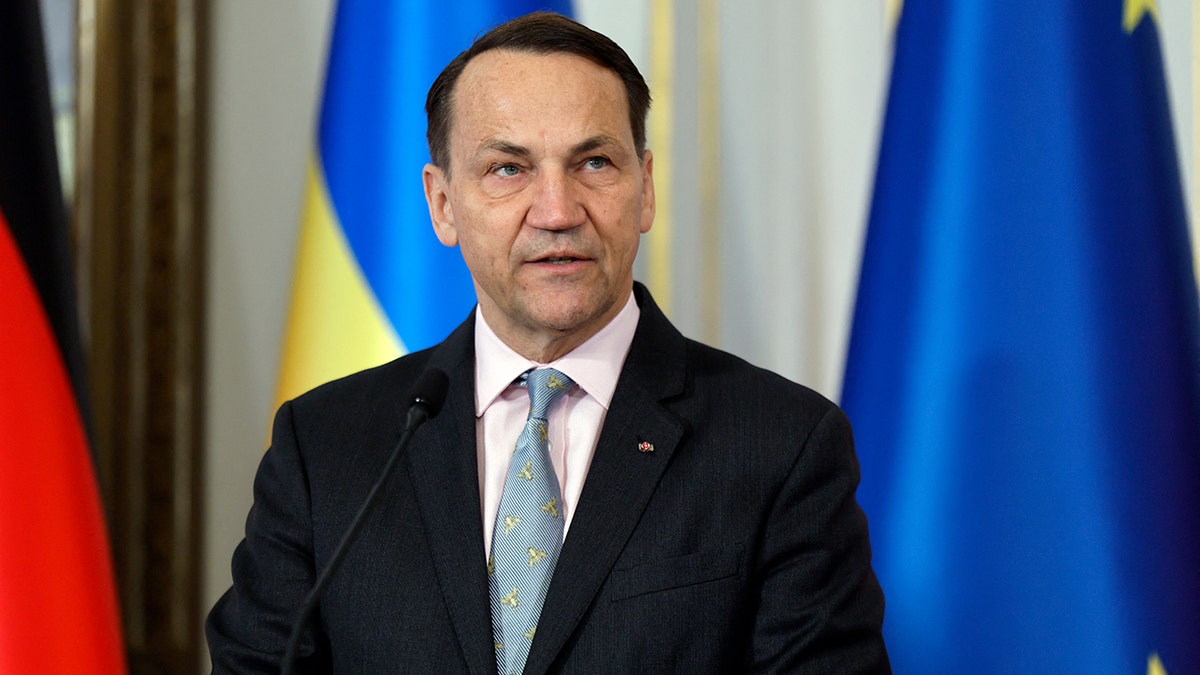
Polish Foreign Minister Radoslaw Sikorski speaks at a joint news conference during a meeting of the foreign ministers of the Weimar Triangle — France, Germany and Poland — with Ukraine’s foreign minister in Warsaw on Sept. 29, 2025. (Wojtek Radwanski/AFP via Getty Images)
“All Allies stand in full solidarity with Poland. NATO remains united, ready and committed to defending against any threat,” NATO spokesperson Allison Hart said on X, as Warsaw summoned Russia’s ambassador, according to Reuters.
In September, Polish Foreign Minister Radosław Sikorski said U.S. and Polish officials were working on an agreement that could support the deployment of as many as 10,000 American troops.
At the time, approximately 7,000 U.S. service members were stationed in Poland on a rotational basis. A permanent installation would deepen Washington’s military commitment to NATO’s eastern flank.
“We want the kind of U.S. presence that would reassure us but not be threatening to Russia,” Sikorski said during a Council on Foreign Relations event in New York, Bloomberg reported.
President Donald Trump has previously expressed support for a permanent U.S. military base in Poland, although Washington has also been reviewing American troop deployments across Europe.