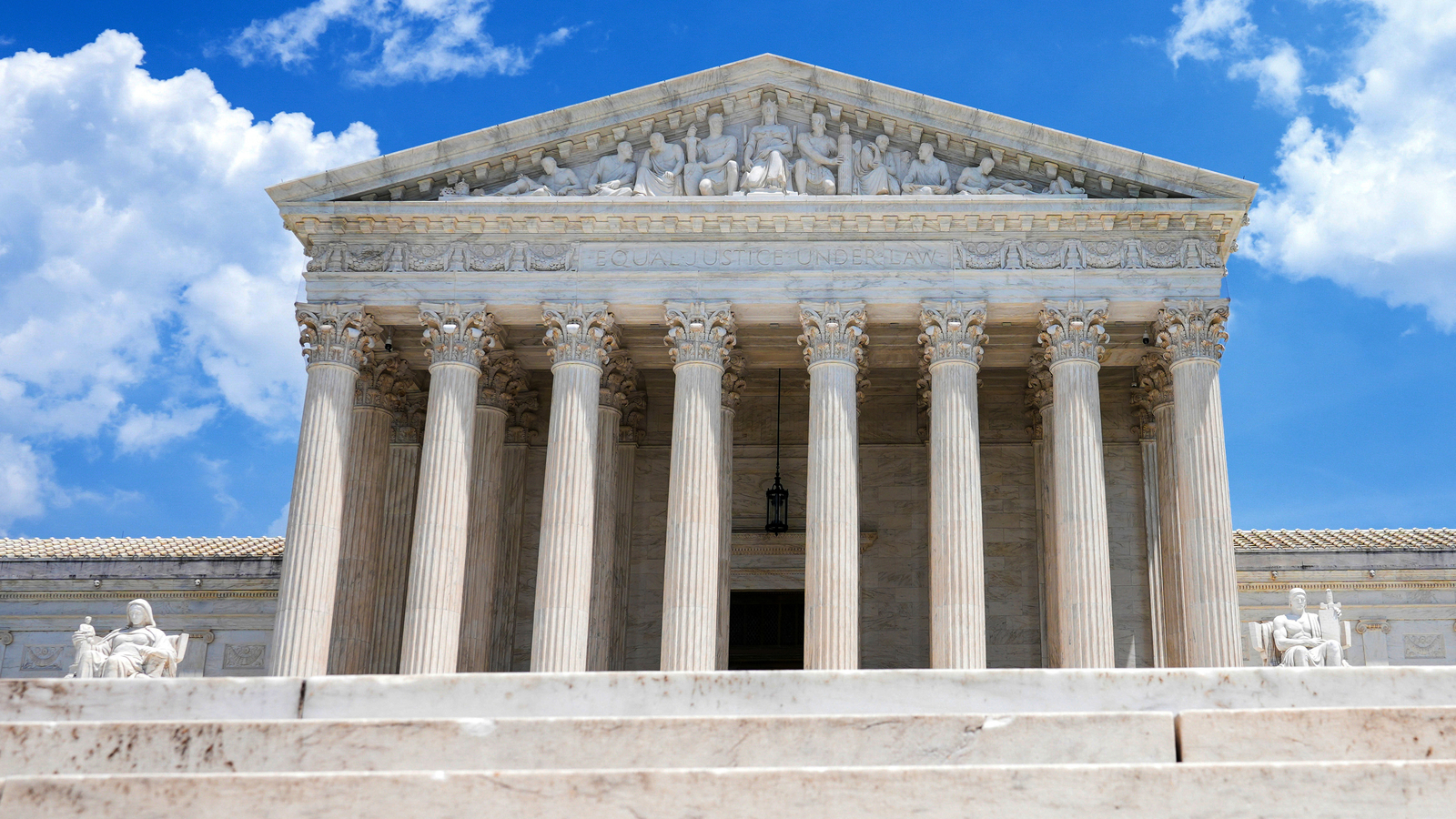

WASHINGTON — The Supreme Court ruled Tuesday that Exxon Mobil may pursue claims in U.S. courts against Cuban government-owned companies over property in Cuba that was taken after Fidel Castro came to power.
The 6-3 ruling marked the court’s second decision in two months siding with American owners of Cuban assets seized by the Communist government more than six decades ago.
Together, the two decisions could give the Trump administration another tool to increase pressure on Cuba, which is already facing strain from a U.S. oil embargo.
The central question was whether the 1996 Helms-Burton Act strips away the legal immunity that generally protects foreign governments and state-run enterprises from being sued in American courts. The justices overturned a lower-court decision that had concluded the Cuban state-owned companies were shielded from such lawsuits in the United States.
Exxon Mobil is seeking damages for assets once held by subsidiaries of Standard Oil, its corporate predecessor, including an oil refinery and more than 100 gas stations.
The court addressed a related Cuba property dispute last month, reviving claims brought by the American company that once operated docks in Havana against four cruise operators that carried tourists to the island during the brief diplomatic opening under the Obama administration. That dispute also centered on the Helms-Burton provision permitting lawsuits tied to confiscated property.
Congress enacted the law after civilian aircraft flown by Miami-based Cuban exiles were shot down in 1996.
ALSO READ: Noah Presgrove Announcement May Finally Solve Teen's Mysterious Death
Title III of Helms-Burton authorizes Americans to sue nearly any business that profits from or conducts commercial activity involving property seized by the Cuban government.
Before the first Trump administration, every president had suspended the provision because of objections from U.S. allies doing business in Cuba and the effect on future negotiated settlements between the U.S. and Cuba.
But Trump lifted the suspension in 2019, and Exxon Mobil filed its lawsuit the same day.
Justice Brett Kavanaugh wrote for the conservative majority that it “would make little sense” if the law allowed the president to decide whether suits can proceed against Cuban interests while also protecting them.
Justice Elena Kagan wrote in a dissent for the three liberals that the 1996 law simply contains no provision eliminating the sovereign immunity shield.
The U.S. Foreign Claims Settlement Commission, an arm of the Justice Department, said in 1969 that the value of Exxon Mobil’s property in Cuba is $71.6 million, plus 6% annual interest beginning in 1960. That would be worth more than $1 billion today, Kavanaugh wrote.
In addition, the commission found that nearly 6,000 individuals and businesses held claims worth $1.9 billion, before adding in interest or damages.
Copyright © 2026 by The Associated Press. All Rights Reserved.