
In the coming weeks, 11 cities across the United States are set to welcome hundreds of thousands of fans attending the World Cup, posing a significant challenge to the country’s mass transit systems.
While some cities are opting to keep transit costs manageable for visitors, others are grappling with higher expenses for transportation services.
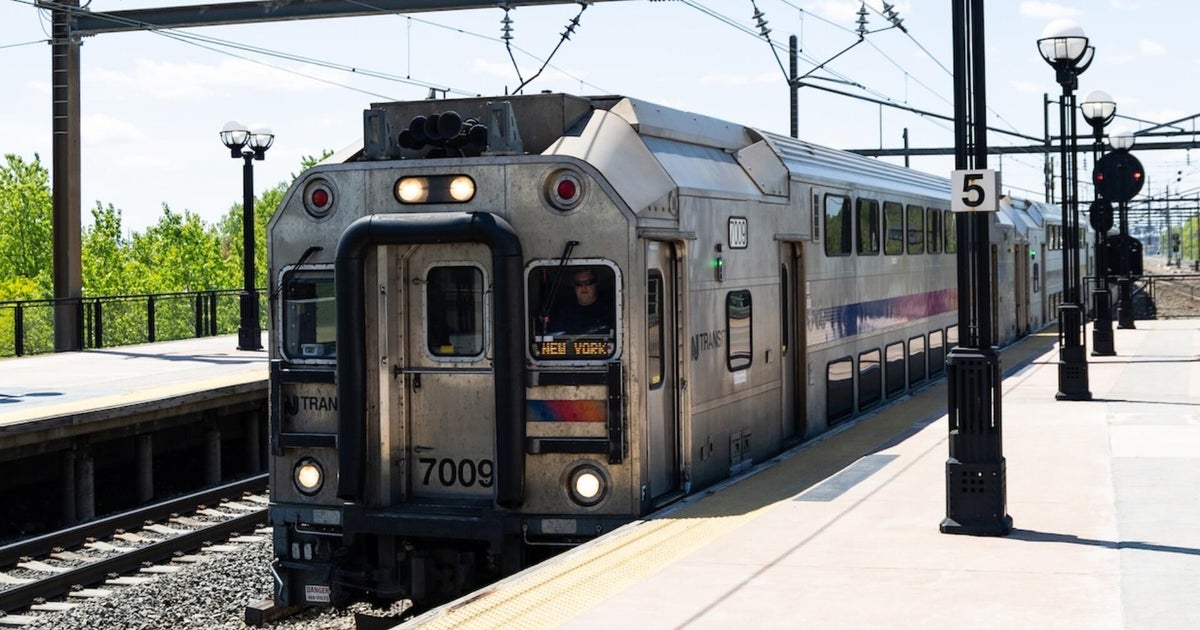
MetLife Stadium in New Jersey is set to host eight World Cup matches, including the highly anticipated final. With limited parking and no pedestrian-friendly access, the majority of the more than 82,000 spectators expected at each game will need to depend on public transportation, albeit at a considerable cost.
Initially, the transit authority faced backlash when it announced a $150 round-trip fare for the event. In response to public outcry, the agency secured sponsorships to reduce the price to $98, though this remains over seven times the normal fare.
“This FIFA train service is not part of our regular operations,” explained New Jersey Transit CEO Kris Kolori. “We have to initiate it specifically for special events, and this particular event demands heightened security and planning unlike anything we’ve managed before.”
The transit agency has estimated the special service will incur a cost of $6 million per match. New Jersey’s governor has stated that these costs should be covered by the attendees rather than falling on taxpayers.
In Massachusetts, the train from Boston to Foxborough’s Gillette Stadium will be $80 round trip and an express bus is $95.
Lower-cost transit
But pricing problems aren’t an issue in all U.S. World Cup host cities.
In Atlanta, Houston and Seattle, the stadiums are directly linked to rail lines. Regular fares will apply and they’re all under $5.
In Philadelphia, the trip is free because of a sponsorship deal.
Shuttle buses in Kansas City will take fans to Arrowhead Stadium for $15.
In Dallas, a fleet of charter buses will help take fans from a rail station to the matches at AT&T Stadium in Arlington.
“Part of our FIFA commitment is to showcase our regional rail system to the world,” said Michael Morris, the North Texas director of transportation. The ticket to ride is about $4 each way.
“When you’re in our particular region, if you’re traveling on fan fest days or you’re traveling on match days, the fare you pay to get to this particular location is the same fare everyone else pays,” Morris said.
Miami officials announced five locations around Miami-Dade and Broward on game days where fans can catch a free shuttle bus.
“This free round-trip shuttle service will be available exclusively to verified ticket holders and will take fans directly into the Miami Stadium, not to a remote parking lot,” said Stacy Miller from Miami-Dade Transportation.
In California, Los Angeles and the San Francisco Bay area will each host matches. State leaders announced in March the two regions will receive a combined $18.4 million in transit funding for the World Cup.
The World Cup begins June 11 and ends July 19 with matches in the U.S., Canada and Mexico.