
Alleged prisoner tablet fraud sparks White House probe
House Oversight Chairman James Comer criticized California’s $190 million inmate tablet initiative on “America Reports,” raising concerns about misuse and possible grooming, while Vice President JD Vance headed a White House roundtable focused on combating fraud.
Federal prisoners will soon have access to personal tablets intended to support education, job training and rehabilitation, the Bureau of Prisons (BOP) said.
The agency announced Wednesday that it has finalized a tablet services contract designed to “dramatically modernize” how it handles communication, education, rehabilitation programs and everyday operations throughout federal prison facilities.
According to the BOP, the devices will also provide secure messaging and video services, allowing incarcerated people to maintain stronger ties with family and loved ones — a connection the agency says is proven to help lower recidivism.

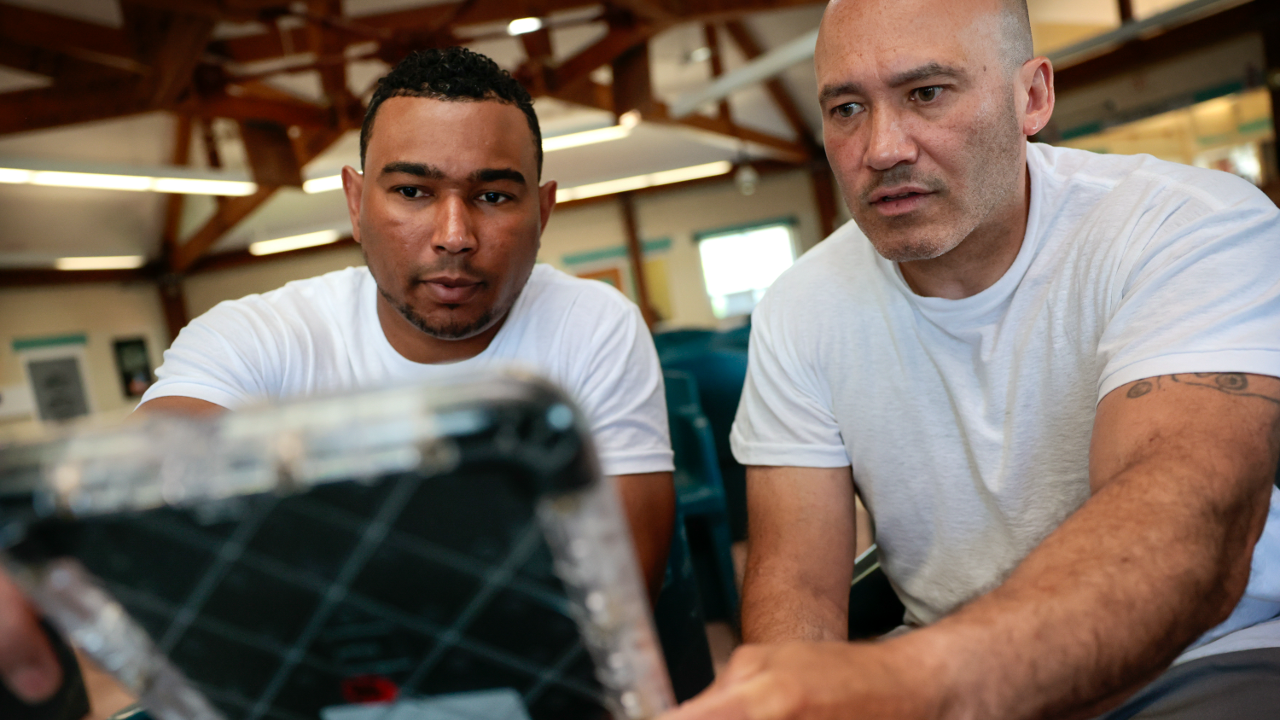
Inmate David Class is pictured with a program and education tablet provided by the Department of Corrections at the Massachusetts Correctional Institution. (Craig F. Walker/The Boston Globe via Getty Images)
The rollout will extend to every person held in BOP custody, the agency said. Federal correctional institutions currently house more than 138,000 inmates.
“Our first priority is the safety of our staff and the security of our institutions,” BOP Director William K. Marshall III said. “This contract modernizes outdated operations, reduces administrative burdens, and allows staff to focus on the critical work of maintaining safe facilities while expanding opportunities for rehabilitation and successful reentry.”
Officials said the tablets will offer resources such as literacy assistance, evidence-based rehabilitation programming, faith-based content, health care information and materials aimed at preparing inmates for employment.

Inmates Christopher Merced, left, and David Class demonstrate the different uses of a program and educational tablet supplied by the Department of Corrections at the Massachusetts Correctional Institution. (Craig F. Walker/The Boston Globe via Getty Images)
The tablets will also reduce administrative burden for staff by moving traditionally paper-dependent tasks, such as commissary ordering and program registration, onto a digital platform.
The BOP stressed that the devices will be rolled out in phases across its vast network of prisons, with each implementation being guided by “strict security protocols and oversight.”
The timeline for the rollout is not clear. Fox News reached out to the BOP for further comment.
Virtually every state prison system now has some form of tablet program, though the scope, vendor, features, and rollout model vary widely. In 2019, only a dozen states had tablets in prisons, according to Law360.
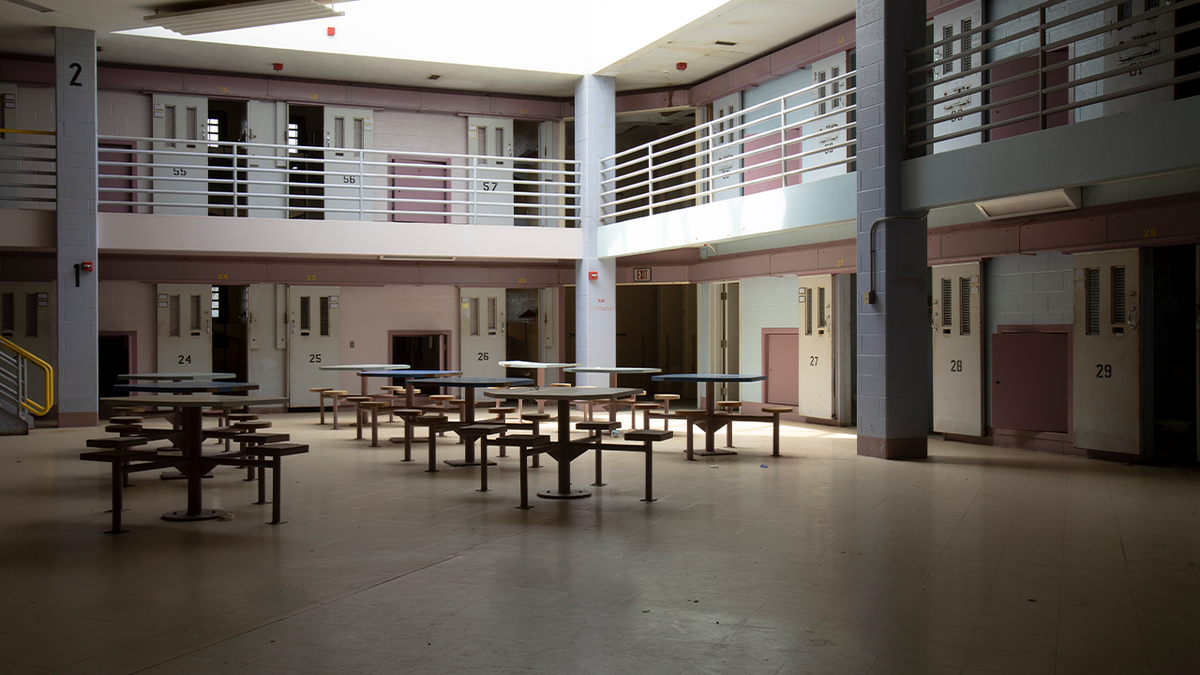
This stock image shows the interior of a cell block and common area at a state jail. (iStock)
Oregon is the most recent state to begin implementing a model where each inmate gets their own tablet.
In April, the state’s Department of Corrections said one of the primary motivations for doing this was to cut down on drugs getting smuggled into prisons through the mail.
Once the program is fully in place, officials will scan inmate’s mail and send it to them via their tablet, cutting off any ability for them to receive illicit packages while behind bars, Oregon’s DOC said in June.