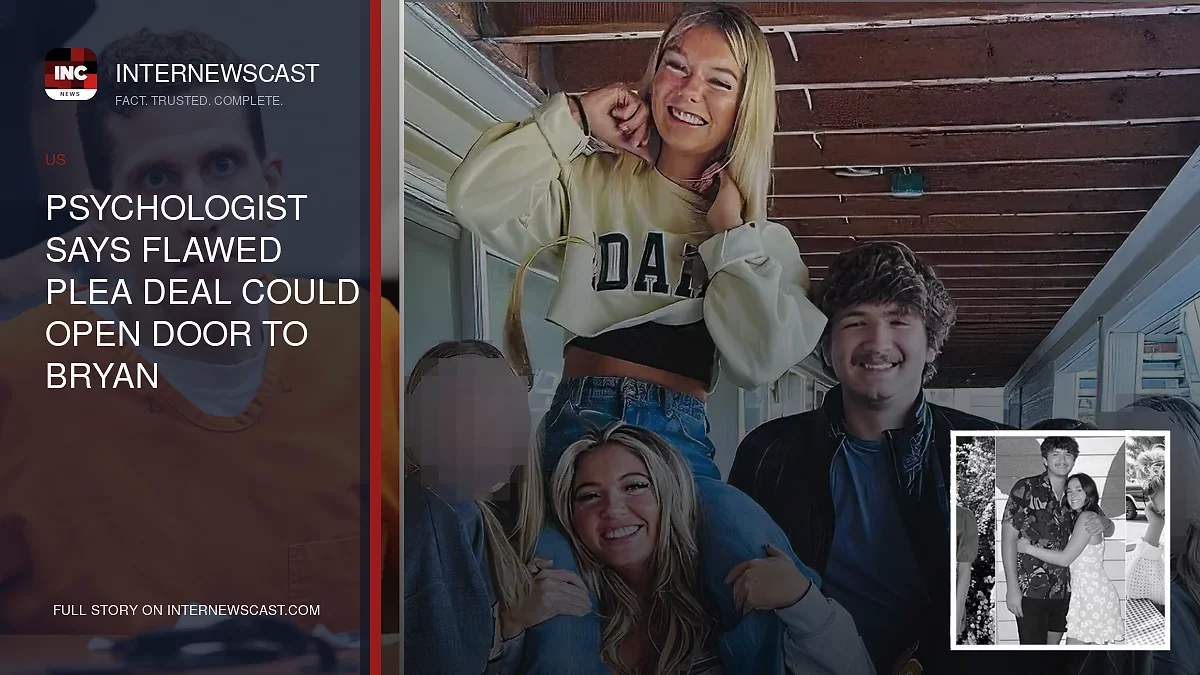

A forensic psychologist who warned last year that Bryan Kohberger’s plea deal could be part of the convicted killer’s calculated “long game” now says prosecutors squandered a key chance to force him to give a complete account of the Idaho student murders. By accepting the agreement without requiring a detailed confession, the expert argues, authorities left Kohberger space to revise his narrative as he heads back to court — even after waiving his right to appeal.
“It was a real mistake and series of heavy mistakes by the DA’s office to enter into this deal, because now here we are, putting the victims through all this again with having gotten nothing,” said Dr. Kris Mohandie, a police and forensic psychologist who specializes in violent behavior.
Kohberger accepted a plea agreement that spared him the possibility of the death penalty. He is now serving four consecutive life sentences without parole, along with an additional 10 years.
But last month, Kohberger filed a petition for post-conviction relief, alleging ineffective assistance of counsel and claiming he was misled. In the filing, he also maintained that he is innocent of the killings.
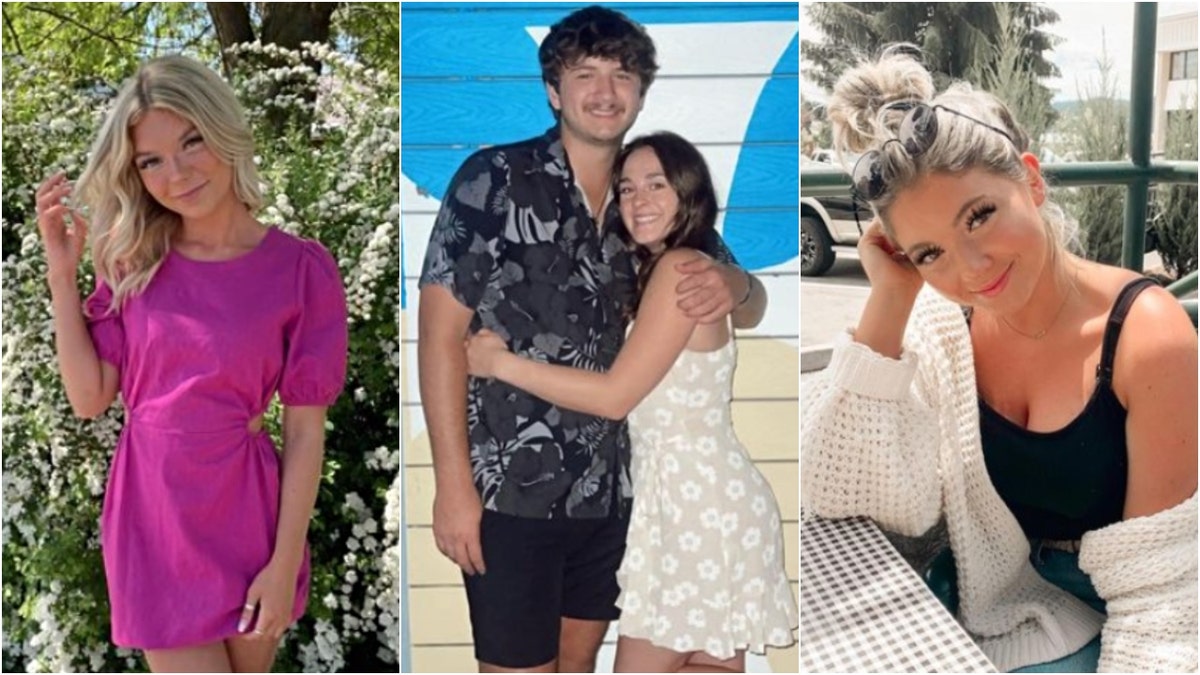
Investigators recovered Kohberger’s DNA on a knife sheath found at the crime scene, in a bed with two of the four University of Idaho students he admitted to killing during a July 2025 change-of-plea hearing.
Mohandie said prosecutors should have made a full, on-the-record account of the murders a condition of the plea deal, even if they suspected Kohberger would not tell the truth. Latah County Prosecutor Bill Thompson said after sentencing that authorities believed Kohberger would lie if asked to explain what happened.
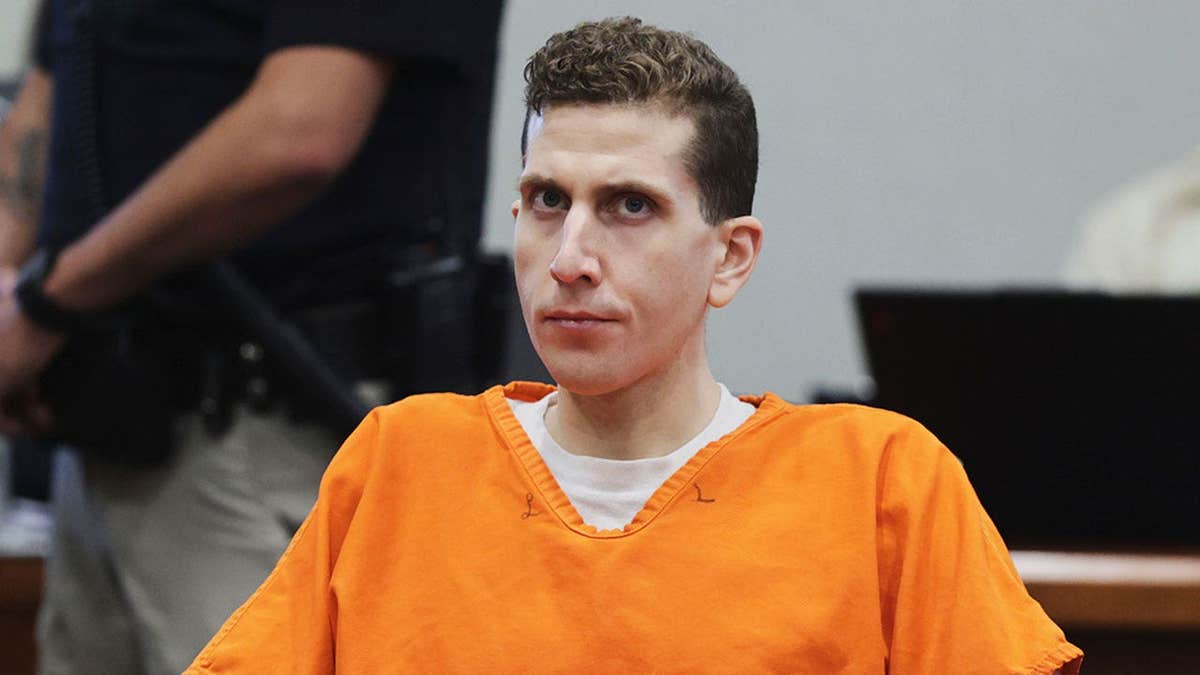
Bryan Kohberger appears at the Ada County Courthouse for his sentencing hearing on July 23, 2025, in Boise, Idaho. Kohberger pleaded guilty in exchange for being spared the death penalty for the stabbing of four University of Idaho students. Netflix’s documentary about the case, “The Idaho Murders: College Nightmare,” is now streaming. (Kyle Green-Pool/Getty Images)
“Well, that’s a lame excuse, in my opinion, because at least you’ve got him admitting something,” Mohandie said. “This way, he can pull back and say, ‘I didn’t admit to doing anything…I said nothing. There are no stories or statements related to me. And I was coerced into this. I had terrible counsel.’ It enables him to have a complete playing field for him to dance around. With now an infinite array of lies. So pin him to a story is part of why you do this.”
Mohandie said the absence of any detailed confession now gives Kohberger room to challenge the case while forcing victims’ families to relive the proceedings.
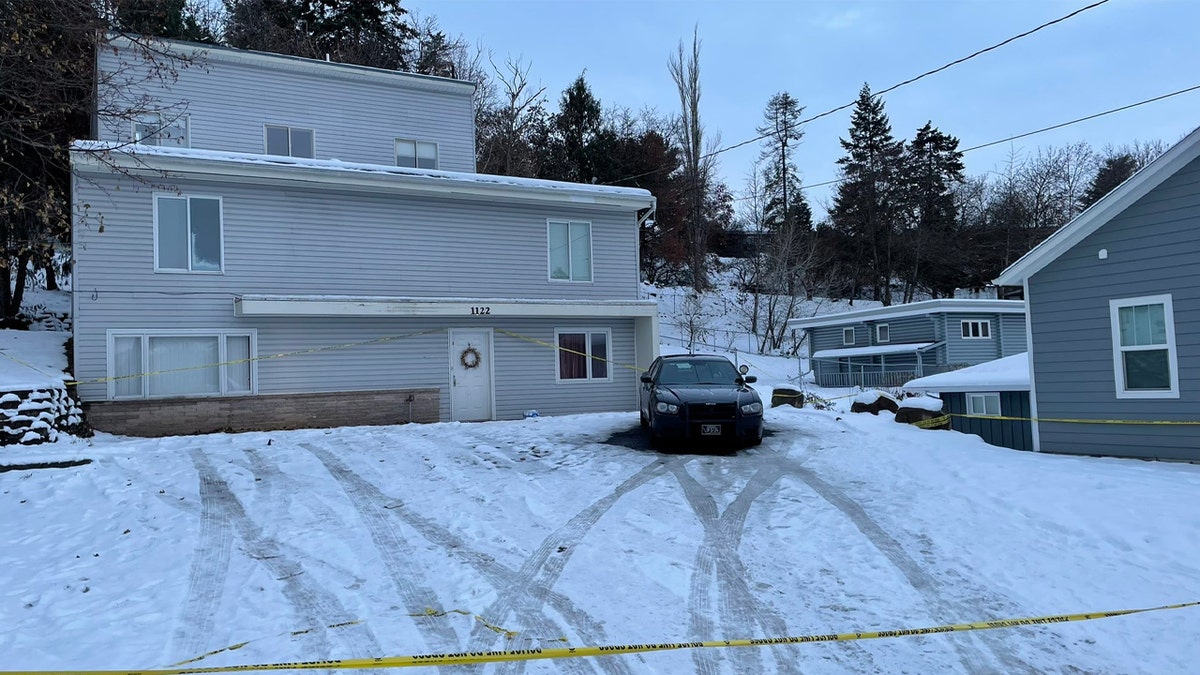
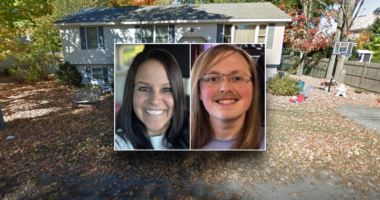
A watchman parked outside 1122 King Road on Dec. 11, 2022, four weeks after four students were stabbed to death inside. (Michael Ruiz/News Outlet)
“It was ill-conceived, it was poorly designed, and at the end of the day, you know the victims are being re-traumatized by all of this,” he said.
The psychologist also argued that Kohberger’s handwritten post-conviction petition and attempts to regain the spotlight for himself are consistent with the personality traits he has long associated with the convicted killer.
“First and foremost is his desire to get away with things and to outsmart the system, and I do believe that notoriety and fueling his notoriety, continuing to fuel that, is the secondary gain as well,” Mohandie said.
Illustrating that was Kohberger’s decision to call a reporter from prison before filing the petition, he said.
“He is a common archetype, if you will,” Mohandie said. “He’s not special, but he believes he’s special, which is the commonality among these people — the belief that you’re special when you’re not; the belief that you’re smarter than other people and can outwit them.”
Mohandie said that’s why he believes the public should resist looking at killers as fascinating figures.
“They are terrible people and monsters,” he said.