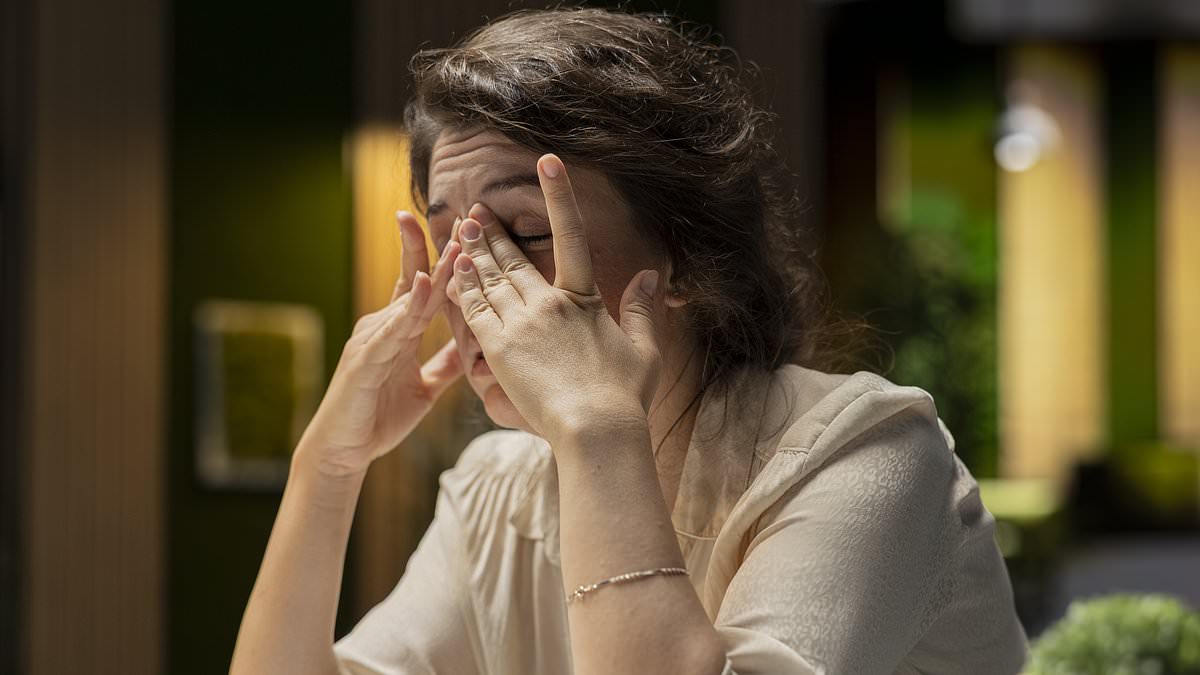

It begins with subtle signs: a jaw that remains clenched, breathing that never fully eases, and a fatigue that sleep can’t seem to cure.
These symptoms aren’t merely indicative of a hectic lifestyle. For countless individuals, they signify a body trapped in survival mode long after any real danger has dissipated—a condition experts refer to as a dysregulated nervous system.
The autonomic nervous system, which operates behind the scenes, regulates essential functions such as heart rate, blood pressure, digestion, respiration, and body temperature.
This system is divided into two primary components. The sympathetic nervous system is responsible for activating the fight-or-flight response, while the parasympathetic nervous system manages rest, digestion, and recovery processes.
In a well-functioning system, the body responds to stress and subsequently returns to a state of calm. However, when the system is dysregulated, it remains in a prolonged state of activation, unable to fully relax and recuperate.
“The nervous system is designed to activate under threat and then recover once the threat passes,” explained Dr. Justin Anderson, a sports psychologist, in an interview with the Daily Mail.
‘A dysregulated system has lost that recovery mechanism. It stays locked in an elevated sympathetic state — scanning for danger, anticipating future problems — long after the moment has passed.’
Most people return to calm once a stressor passes. But when anxiety, tension or an inability to relax persists long after the stress is gone, that may signal chronic dysregulation. Experts told the Daily Mail what causes this and how to fix it.
A clenched jaw, shallow breathing and exhaustion that sleep doesn’t fix can all be signs of a dysregulated nervous system, where the body stays stuck in survival mode (stock)
Chronic work stress, turbulent relationships, financial pressure, unresolved trauma or underlying mental and physical health problems can all play a role.
Over time, sustained stress floods the body with cortisol. Instead of returning to baseline, the system remains locked in a heightened state, constantly scanning for danger.
Most people recognize obvious signs like difficulty sleeping, persistent anxiety and feeling overwhelmed. But experts say some of the most telling symptoms fly under the radar.
Dr Carolina Estevez, a licensed clinical psychologist who serves as a Psychologist at SOBA New Jersey, points to physical complaints that often get dismissed: ‘Clenched jaws, stomach problems, rapid shallow breathing, headaches, dizziness, being easily startled by simple noises. These are common but overlooked.’
Rebecca Boone, clinical director at Woodlands Grove Recovery Campus, an addiction treatment organization, added digestive issues, jaw tension, panic symptoms, irritability, brain fog, difficulty concentrating and constantly feeling ‘on edge’.
‘Some people also experience the opposite response: emotional numbness, exhaustion, dissociation, or feeling disconnected,’ she said.
Jen Guidry, a certified integrative trauma practitioner and emotional regulation expert, highlighted two behavioral signs: ‘A genuine discomfort with stillness because rest feels unsafe. And over-functioning, looking super-human on the outside, but running on hypervigilance inside.’
Another overlooked sign is feeling ‘wired but tired’ — exhausted but unable to relax. Anderson said this is ‘particularly diagnostic. It signals that the parasympathetic system is struggling to engage even when the body desperately needs it.’
Dr Jessica Meers, a clinical psychologist specializing in sleep, points to several overlooked physical signs.
A complete inability to sleep when exhausted suggests the nervous system is too locked in high-alert mode for daytime rest. Lying awake, feeling a heartbeat that is too fast or irregular signals autonomic dysregulation.
Nicole Richardson, a licensed marriage and family therapist, added two more subtle signs: ‘When people can’t stand silence; it is becoming an increasingly big problem that people cannot endure silence.’
She also noted: ‘When I ask someone how they are feeling and they don’t know, that’s another big sign. It indicates that they spend a lot of time avoiding their feelings instead of tending to them.’
Attention also tends to get stuck on threats and worst-case scenarios, a pattern called rumination.
Anderson explained: ‘Rumination keeps the system activated.’
It is important, he said, to understand the difference between normal stress and dysregulation.
‘The nervous system is designed to activate under threat and then recover once the threat passes,’ Anderson said. ‘A dysregulated system stays locked in an elevated state scanning for danger long after the moment has passed.’
Stress from work, relationships, money, trauma, or illness floods the body with cortisol, locking the system in a heightened, danger-scanning state (stock)
Boone added: ‘Most people can return to a calmer baseline once the stressor passes. When someone feels persistently anxious, unable to relax, or exhausted for extended periods, even after the stressor is gone, that may indicate chronic dysregulation.’
Anderson’s simple test for a struggling nervous system: if you can’t decompress on vacation, wake up exhausted after eight hours of sleep or feel uneasy in safe environments — those are red flags.
‘Breathwork is the number one way to reset the nervous system,’ Guidry said. ‘And it’s free.’
Slow, diaphragmatic breathing with extended exhales activates the parasympathetic system. Even six deep, nose-only breaths can make a difference.
Anderson recommends low-to-moderate intensity walking, especially in nature.
‘Even five to ten minutes has been shown to down-regulate amygdala activity and improve working memory.
‘During deep sleep, the brain’s glymphatic system flushes out metabolic waste. It isn’t rest, it’s neural housekeeping. Without it, the nervous system cannot be rebuilt.’
The goal isn’t to eliminate stressful thoughts but to prevent them from hijacking the system. Structured reflection — processing an event and deciding what to do next — closes open feedback loops.

Experts say the best fixes are sleep, nature walks, deep breathing and therapy
Attentional management means noticing where the mind wanders and gently steering it elsewhere. Grounding techniques, such as naming five things in the room, setting boundaries around news and social media or focusing on hands-on activities, can all help.
Looking at nature, even images, can lower brain activity in the fear center. Small tactile rituals, like running fingers through sand, activate the rest-and-digest system, said clinical psychologist Dr Katherine Evarts.
Therapies led by doctors also work. Eye movement desensitization and reprocessing (EMDR) helps process traumatic memories. Somatic experiencing releases physical tension. And cognitive behavioral therapy (CBT) changes thought patterns that keep stress activated.
Beware of quick fixes. Social media pushes cold plunges, supplements and wearables, but experts urge caution.
Anderson noted cold exposure has ‘preliminary evidence for short-term mood effects, but the research on sustained regulation is far thinner. The idea that a two-minute cold plunge is a meaningful long-term solution is not supported by evidence.’
Even heart rate variability (HRV) tracking can backfire.
‘A person who checks their sleep score each morning only to find poor sleep may compound their worry and their dysregulation,’ Anderson said.
Sustainable regulation comes from sustainable practices: quality sleep, daily movement, attentional management, structured recovery time and clinical support when needed.
‘The nervous system didn’t get dysregulated overnight,’ Anderson said. ‘And it doesn’t reset overnight either.’


