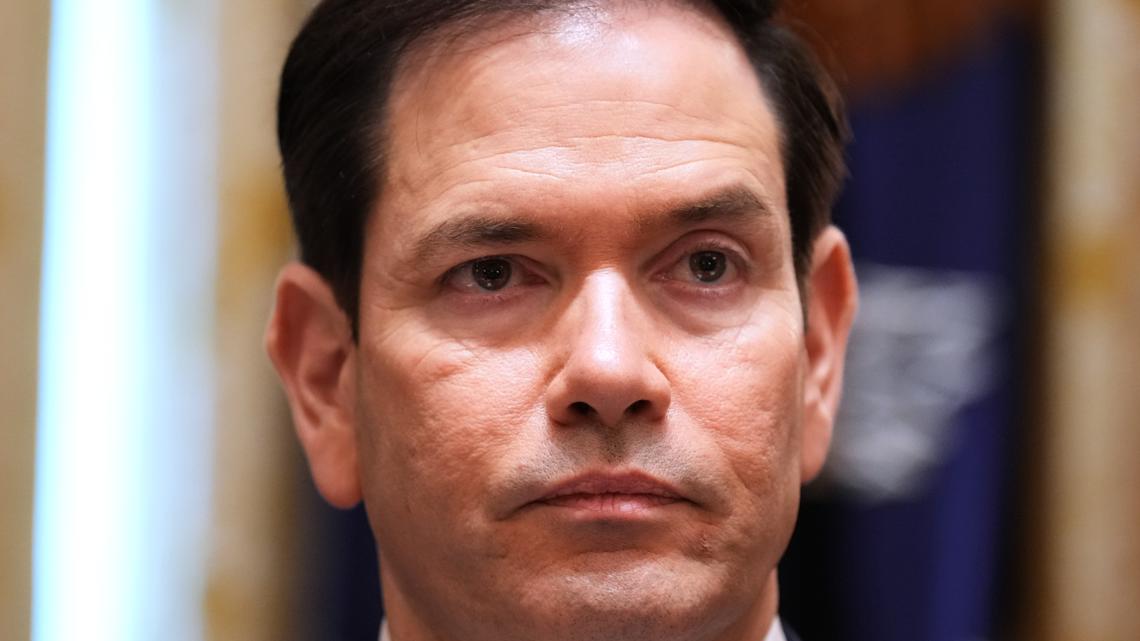

Secretary of State Marco Rubio is poised to address a barrage of inquiries regarding the Trump administration’s tenuous and faltering diplomatic maneuvers across the globe.
WASHINGTON — On Tuesday, Secretary of State Marco Rubio will be confronted with probing questions about the Trump administration’s shaky or stalled diplomatic initiatives worldwide as he appears for sequential hearings on Capitol Hill, marking his first appearance there since the onset of the Iran conflict.
The former Republican senator will present the State Department’s annual budget proposal to both House and Senate committees. However, discussions are expected to swiftly pivot to the precarious ceasefire between the U.S. and Tehran, which has been further strained by recent retaliatory attacks.
Members of the Cabinet, including Rubio, have stood by President Donald Trump’s decision to initiate the conflict, despite his previous assurances against engaging in prolonged Middle Eastern wars. This defense has been complicated by Trump’s fluctuating objectives for the confrontation.
While Rubio’s congressional testimony comes more than a month into the Iran war, he had already participated in a classified briefing for lawmakers soon after initial U.S. and Israeli strikes. During that briefing, he encountered Democratic frustration over the absence of congressional consent, though he received robust backing from most Republicans for targeting one of America’s longstanding foes.
As the conflict enters its second month, a small but growing group of Republicans has joined Democrats in questioning the exorbitant costs and broader economic implications of the war, particularly as the country approaches midterm elections this fall.
Last month, the Senate managed to advance legislation for the first time that would have forced Trump to withdraw from the conflict after GOP Sen. Bill Cassidy — fresh off a primary election loss in which Trump endorsed his opponent — joined Democrats in pushing it forward.
The House also had scheduled a vote on a war powers resolution, but GOP leadership kept it from coming to the floor after it became clear that the majority party would not have the numbers to defeat it.
The actions show the GOP is struggling to maintain political backing for Trump’s handling of the war as rank-and-file Republicans are increasingly willing to defy the president over the conflict.
Following his appearances Tuesday before the Senate Foreign Relations Committee and House Appropriations subcommittee responsible for the State Department, Rubio will return to the Hill on Wednesday to testify before the House Foreign Affairs Committee and equivalent Senate Appropriations subcommittee.
Rubio — the son of Cuban immigrants — also is likely to be questioned about the administration’s escalatory behavior toward Cuba, as Trump has hinted that the small island country could be the next U.S. target after operations in Iran are wrapped up.
Despite a series of meetings between U.S. and Cuban officials, Trump and Rubio have renewed threats against the island’s government, which take on greater weight after the administration announced criminal charges against former President Raúl Castro.
Over his congressional career and now as America’s top diplomat, Rubio has maintained that Cuba is a national security threat because of its ties to U.S. adversaries and that Trump is intent on addressing it.
Amiri reported from New York.
Copyright 2025 Associated Press. All rights reserved. This material may not be published, broadcast, rewritten, or redistributed.