
The World Cup had reached its final chapter — and for Lionel Messi, it may have closed the book on one of international soccer’s most extraordinary careers.
Messi had guided Argentina through a World Cup path that looked manageable on paper, from the group stage into the knockout rounds. But the defending champions rarely looked comfortable, surviving tense battles against Egypt, Cape Verde, and England with late rescues, desperate defending, and the kind of resolve that has long defined this team.
On Sunday, however, there was no escape. Spain were sharper, stronger, and too disciplined to allow another Argentine revival. This time, Argentina could not even produce a shot on goal.
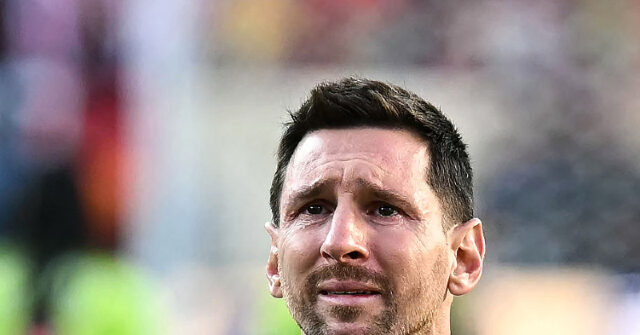
When it was over, the weight of the defeat was plain to see. So was the possibility that Messi had just played his final World Cup match, with Argentina’s supporters delivering one last emotional tribute to their captain.
The broadcast team fell briefly silent after the final whistle, allowing the moment to breathe as one of the greatest players the sport has ever known stood on the field, visibly overwhelmed by what may have been his World Cup farewell.
At last, French World Cup winner Thierry Henry found the only word that seemed to fit: “Wow.”
Messi’s emotion followed him as he walked off the pitch, applauded by fans who stayed behind to salute him and the career he has given them.
Whether he returns to the World Cup stage or not, Messi leaves behind a tournament legacy that stands among the most compelling in soccer history — a body of work worthy of the word masterpiece.
Had Argentina won, it would have been their country’s fourth World Cup win and second in a row. Instead, the South American powerhouse now looks to an uncertain future – likely – without the greatest player who ever wore light blue and white.
The Spanish, on the other hand, have clinched their second World Cup with a future that, led by teenagers Lamine Yamal and Pau Cubarsi, looks much more certain.