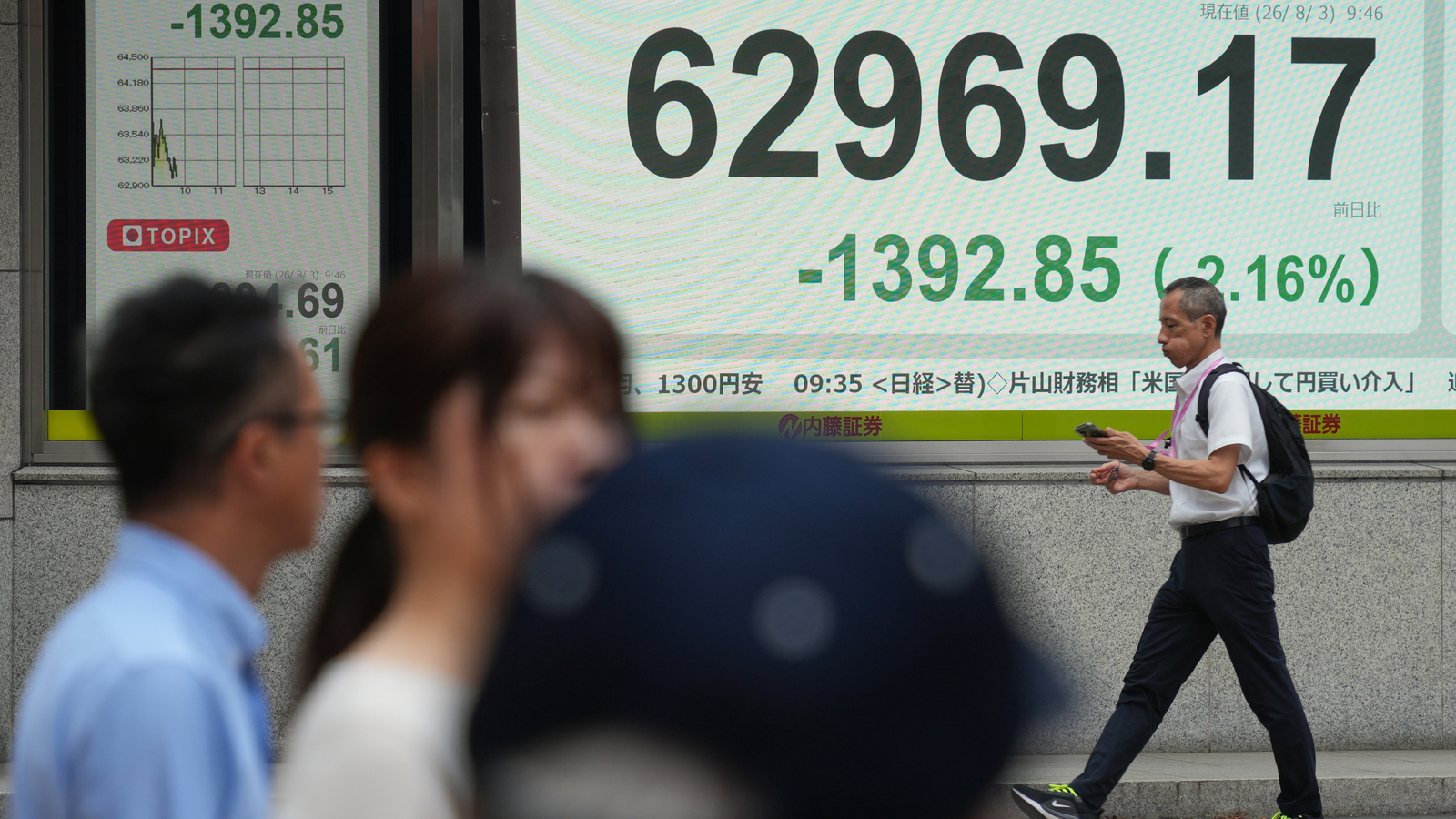
TOKYO — The U.S. dollar fell sharply against the Japanese yen on Monday after U.S. President Donald Trump and Japan’s finance minister acknowledged that the two governments had moved to intervene in currency markets.
Late last week, the dollar had been trading above 163 yen, reaching levels not seen in roughly 40 years. It later slipped below 160 yen as traders began to suspect that authorities had entered the market.
By early Monday, following the official confirmation of the intervention, the dollar had dropped about 1% to 156.34 yen — a sizable move in the foreign exchange market.
The yen’s extended slide against the dollar has become a growing concern for policymakers in Tokyo. Because Japan relies heavily on imports for many goods it consumes, a weaker yen makes those purchases more expensive and adds pressure to inflation.
Earlier attempts this year to support the yen and narrow its gap with the dollar had produced little lasting movement in the exchange rate.
Last week, however, the U.S. was believed to have joined the effort. Asked why Washington was assisting Tokyo, Trump said Sunday that “We have a good relationship with Japan. We’re very strong — very, very strong financially – and they are, you know, they have a weakening yen, and they wanted a little bit of help, and we’re always there for Japan. Japan’s been very good to us, with the exception, of course, of Pearl Harbor.”
Trump said the United States received a “financial benefit” from the currency intervention and described the move as a “signal of friendship.” He added: “It’s also good for the world economy.”
RELATED: Discover the Gold Coast’s New ‘Chill Out Zone’: A Safe Haven for Youth
In Tokyo, Finance Minister Satsuki Katayama confirmed the intervention in a statement, saying the Finance Ministry had bought yen in coordination with the U.S. Treasury Department.
The move followed a joint statement last year and “countered excessive volatility and disorderly movements in the Japanese yen in recent months,” it said.
It added that the ministry would not hesitate to act further if necessary.
Such overt acknowledgement of market intervention is rare, said Neil Newman, managing director and head of strategy at Astris Advisory Japan. He said the last big example was when governments intervened following a massive earthquake and tsunami disaster in northeastern Japan in 2011.
A weaker dollar makes U.S.-made goods more competitive, reducing their costs in yen terms, and might help increase American exports to Japan, Newman said.
“It’s very rare that the Americans will work with the Japanese on this, but there is an alignment of interests here basically between Japan and America,” he said.
Copyright © 2026 by The Associated Press. All Rights Reserved.