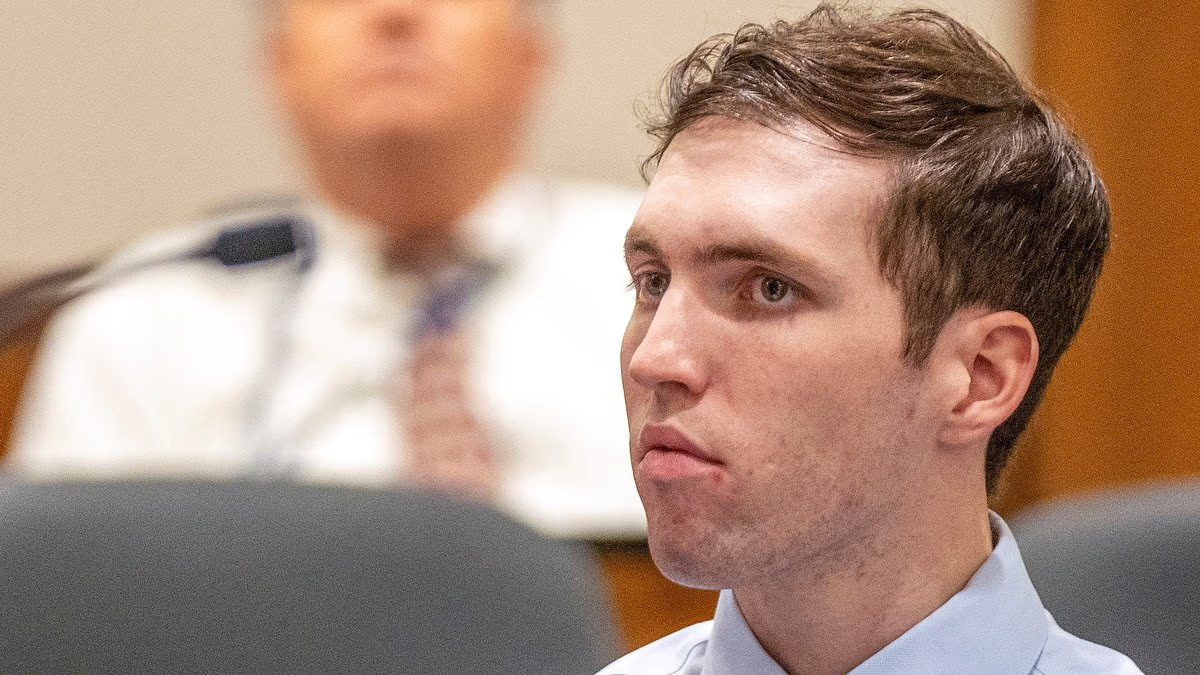
Tyler Robinson, the college student accused of fatally shooting conservative activist Charlie Kirk at a Utah Valley University event in September 2025, behaved erratically afterward and told his roommate he wished “he hadn’t done it,” according to an interview played in court Thursday.
Robinson faces an aggravated murder charge and has not yet entered a plea. Prosecutors say he admitted to the attack in a note left for Lance Twiggs, his former roommate and romantic partner, writing that he “had the opportunity to take out Charlie Kirk and I’m going to take it.” Authorities also allege Robinson later texted Twiggs that he targeted Kirk because he “had enough of his hatred.”
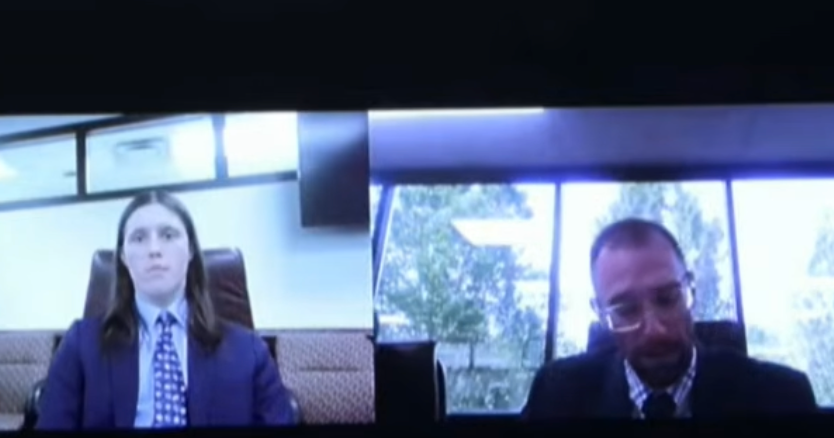
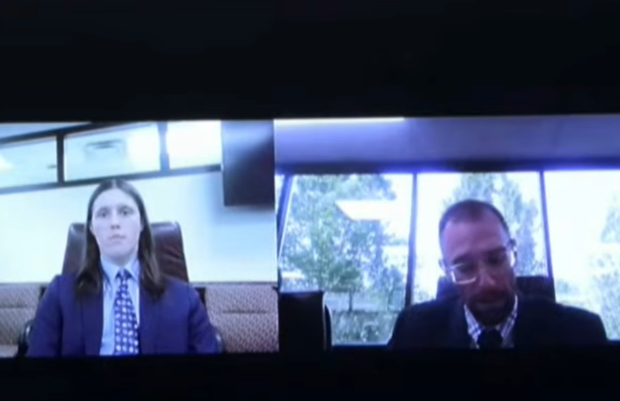
In a recorded interview with a Utah prosecutor, Twiggs said he saw Robinson the day after the shooting. He told the prosecutor that, before the attack, he had never heard Robinson discuss Kirk specifically. When the two spoke about politics, Twiggs said, their conversations were typically centered on President Trump and current events.
Twiggs said that when he encountered Robinson on Sept. 12, the day after the shooting, Robinson was pacing “around a lot” inside their apartment. Twiggs said he asked Robinson “if what he said was true the night before,” and Robinson responded that it was.
Robinson then “started crying a little bit and said he wishes he hadn’t done it,” Twiggs said in the interview. Afterward, Robinson continued pacing and “doing stuff, I think just to keep himself busy or distracted or something,” Twiggs told investigators. Twiggs said he left the apartment soon after because Robinson told him he planned to surrender, and Twiggs did not want to be present “regardless of what went down.” Robinson turned himself in later on Sept. 12.
CourtTV
Twiggs spoke with authorities later that day and again on April 20. He was given immunity for the statements, meaning his remarks cannot be used against him in any potential criminal case.
Robinson’s defense team had opposed the public release of Twiggs’ statements, arguing that prosecutors would frame them as a confession and that media coverage could jeopardize Robinson’s right to a fair trial. Lawyers representing news organizations, as well as Kirk’s widow, Erika, who has attended this week’s hearing, urged the judge to make Twiggs’ statements and other evidence available to the public.
“To not be transparent, to not be open and let the world see what happened will create doubt and distrust in the judicial system,” Kirk family attorney Jeffrey Neiman told Graf on Wednesday.
Neiman filed a request late Wednesday for all evidence against Robinson to be displayed openly and in real time during this week’s hearing. Neiman wrote that Erika Kirk and Kirk’s parents had waited 10 months for the hearing but at times have been denied the chance “to meaningfully observe” it.
The judge said in response that not all evidence would be openly displayed and he needs to protect the rights of both victims and the defendant. There were some redactions in the video played, including when the prosecutor appeared to be showing Twiggs images of the note and messages from Robinson.
Investigators say Robinson went to a rooftop near where Kirk was speaking and shot him once through the neck as the activist was taking questions from a crowd of several thousand people. Kirk was declared dead after being taken to a hospital. Investigators found the suspected murder weapon — a bolt-action rifle with one spent round — wrapped in a towel in a wooded area near where Kirk was shot.
Robinson’s attorneys have not commented on his guilt or innocence but have sought to get the death penalty taken off the table, so far unsuccessfully.
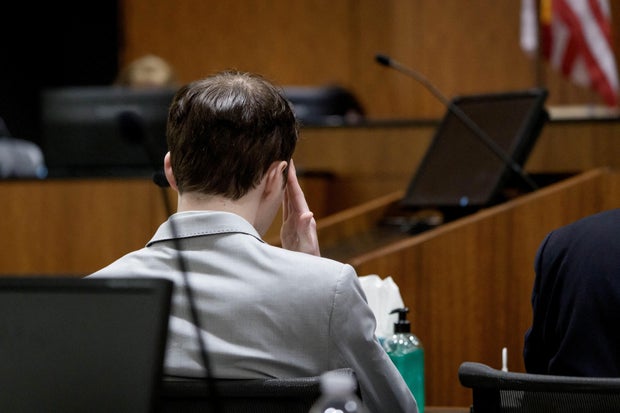
Robinson has sat quietly through the hearing. On Thursday, he was dressed in a jacket and tie with one arm shackled to his waist. He appeared to be taking notes with his free hand.
Spenser Heaps/Pool via Reuters
Robinson’s parents and two of his brothers sat behind him, in the front row of the courtroom gallery. Charlie’s Kirk parents and Erika Kirk sat a few rows back. Sen. Mike Lee, a Utah Republican, also was in attendance.
State District Judge Tony Graf will decide at the conclusion of this week’s preliminary hearing if prosecutors have enough evidence to bring Robinson to trial.
Robinson’s lawyers earlier this week questioned the reliability of DNA testing used to link the defendant to the towel and gun.
A member of Tyler Robinson’s defense team interrogated a DNA analyst from the FBI about the techniques she used to connect Robinson to the evidence. Defense lawyer Michael Burt cast doubt on the analyst’s conclusions.
“She can’t match Mr. Robinson to the questioned samples,” Burt argued.
But forensics expert Lawrence Quarino said law enforcement agencies use “extremely reliable” tests to determine the probability that a person matches with DNA found at a crime scene.
DNA testing “is the gold standard in forensic science,” said Quarino, a professor and director of the forensic science program at Cedar Crest College in Pennsylvania.