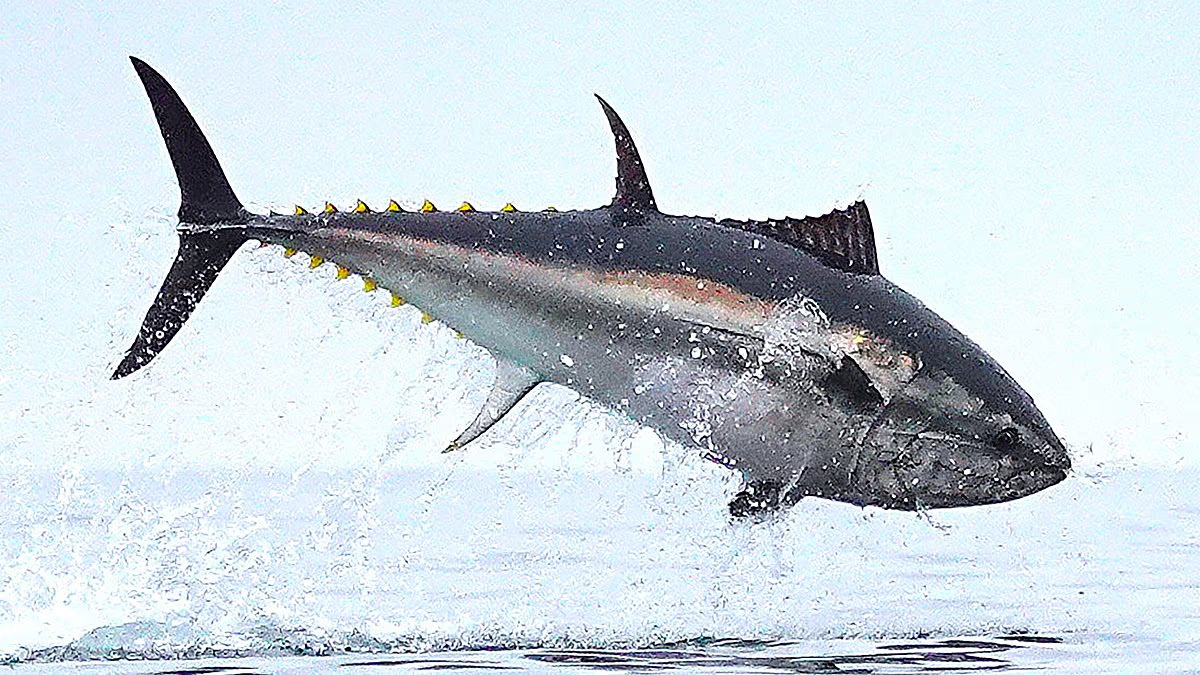

A giant bluefin tuna measuring around 7ft has been spotted making a dramatic return to British waters after leaping spectacularly from the sea.
The Atlantic predator erupted from the surface as it chased garfish off England’s south-west coast, sending the smaller fish airborne in its escape.
A kayaker witnessed several of the powerful fish, often called the “king of fish”, launching themselves from the ocean in a remarkable display of feeding behaviour.
Mr Kirkwood explained that the waters around south-west England are exceptionally productive, thanks in part to the region’s swirling tides.
He said bluefin tuna are strongly migratory, arriving in British waters around July before heading away again in November.
With the sea calm and almost completely silent, the only interruption was the thunderous sound of tuna striking the water. For him, witnessing the spectacle was an unforgettable experience.
The waters around Devon and Cornwall are currently packed with bluefin tuna, which visit the area each summer before departing ahead of winter.
The warm-blooded bluefin is the largest member of the tuna family and is regarded as one of the ocean’s most impressive predators.

A seven-foot bluefin tuna has made a striking return to British waters after being seen leaping from the sea

The Atlantic predator launched from the surface while pursuing garfish off the south-west coast

Bluefin tuna have returned in large numbers to the waters off Devon and Cornwall for their annual summer migration

The warm-blooded species is the biggest of the tuna family and among the ocean’s most powerful predators
Bluefin tuna are immensely powerful, with the largest reaching around 10ft in length and weighing more than 800lbs.
Only last month, an 740lbs bluefin tuna was landed off Whitby—the first recorded catch there in 60 years.
Mitch Tonks, a Dartmouth chef and restaurateur, previously described seeing a shoal of bluefin tuna hunting as an extraordinary sight.
He said the sea appears to churn and boil as the tuna force their prey towards the surface, creating a scene that is difficult to comprehend.
Tonks also recalled spending 30 minutes battling and reeling in one of the fish, describing the flashes of green, yellow and blue across its skin as sunlight caught it. To him, they truly deserved their reputation as the “king of fish”.
Bluefin tuna vanished from British waters during the 1960s after intensive overfishing drove the species close to extinction.
By 2007, tuna populations worldwide were nearing collapse.
That year, the International Commission for the Conservation of Atlantic Tunas, known as ICCAT, introduced a 15-year recovery programme, supported by strict international fishing rules designed to protect the species.
Its strategy has seen Eastern Atlantic numbers surge in Britain’s seas.

They are unbelievably strong with the biggest specimens growing up to ten feet long and weighing more than 800lbs

Bluefin tuna disappeared from British waters in the 1960s as overfishing pushed the species to the brink of extinction

The waters off the south-west coast have seen a resurgence in the big game species and it is now regarded as a ‘world class’ fishery for them

Several of the ‘king of fish’ were seen flying out of the ocean by a kayaker who happened to be in the right place at the right time
It has been so successful that by 2021, the species was not only removed from the International Union for Conservation of Nature Red List, but there were more and more sightings along the south-west coast of England.
The waters off the south-west coast have seen a resurgence in the big game species and it is now regarded as a ‘world class’ fishery for them.
Although they are highly protected, the government has permitted licences to some fishermen to catch and land for the table and catch and release them for sport.
In 2023, the Department for Environment, Food and Rural Affairs (Defra) issued ten commercial vessels with fishing licences on a trial basis.
This year, 30 commercial boats have been allowed to catch a total of four tons each.
Licences are applied for by fishermen and awarded annually, for one year only, and each application goes through a strict process, meaning experience of commercial fishing is essential.
But once you pass the criteria, you are entered into a pool and winners are drawn from a hat.


