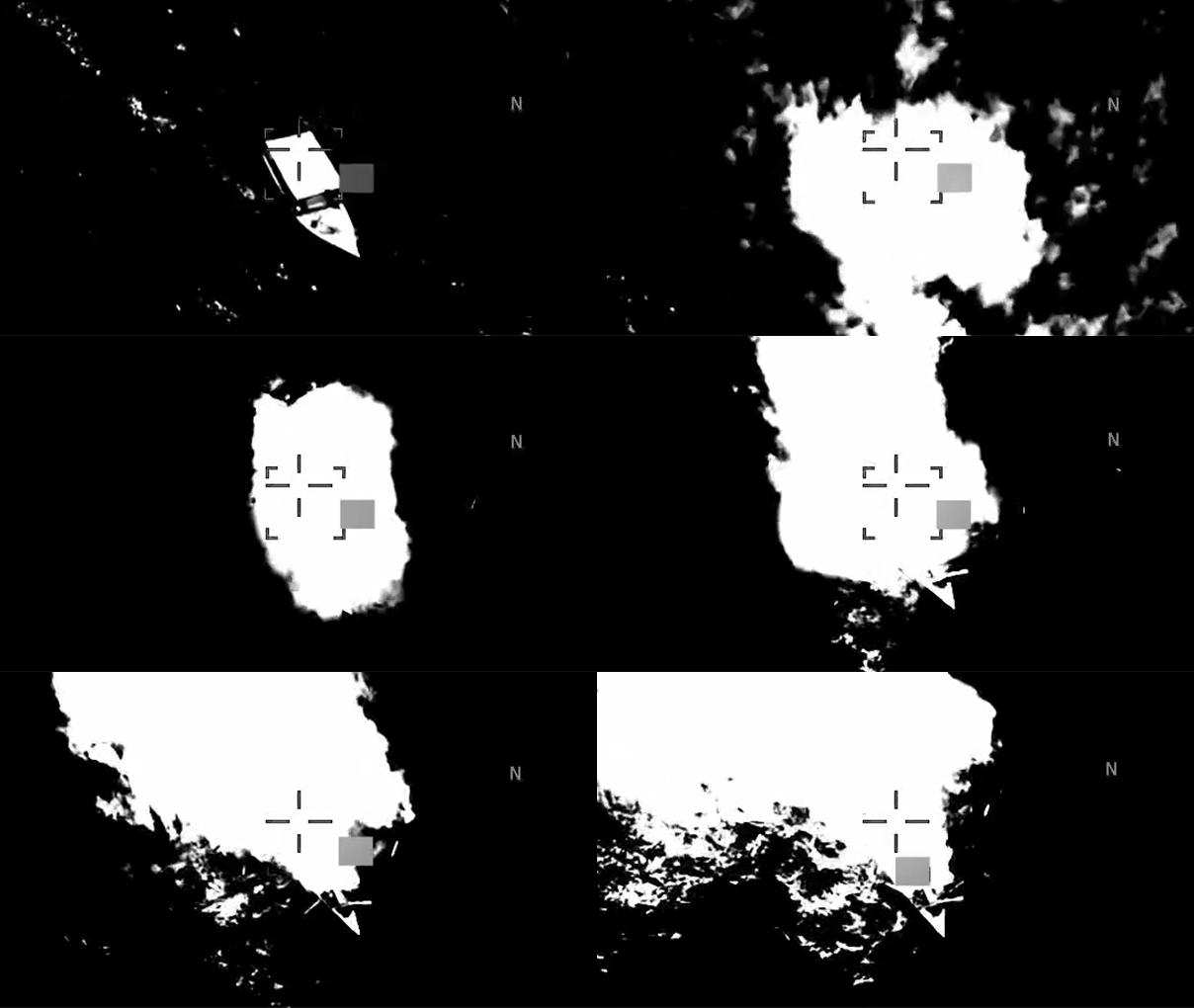

A suspected drug-smuggling boat was destroyed Wednesday in a deadly U.S. military strike in the Eastern Pacific, leaving three alleged “narco-terrorists” dead, the Department of War said.
The Sept. 9 operation was conducted by Joint Task Force Western Hemisphere under the direction of U.S. Southern Command, or SOUTHCOM, after intelligence allegedly linked the vessel to narcotics trafficking.
“Confirmed intelligence revealed the vessel’s active involvement in narco-trafficking,” the department wrote in a post on X. “The operation killed three narco-terrorists.”
The strike is the latest in a series of U.S. attacks targeting suspected cartel vessels accused of transporting deadly drugs along well-established smuggling routes off Latin America’s coast.
It followed by less than two weeks the Pentagon’s release of newly unclassified images to News Outlet showing suspected drug boats racing across open water, including one vessel carrying what appeared to be bundles of narcotics.
Dated Oct. 27, Oct. 29 and Dec. 4, 2025, the images provided an unusual glimpse of suspected smugglers under U.S. military surveillance as the Trump administration stepped up its campaign against cartel networks.
EXCLUSIVE: FENTANYL DEATHS PLUNGE 22% AS TRUMP WHITE HOUSE TOUTS CRACKDOWN ON DEADLY DRUG CRISIS
Pentagon press secretary Kingsley Wilson paired the image release with a stark warning to traffickers accused of endangering American communities.
“Nearly one year after the first strike, the message to narco-terrorists remains unchanged: if you traffic deadly illicit narcotics and threaten the American people, we will hunt you down, we will find you, and we will kill you,” Wilson told News Outlet at the time.
The Pentagon said Operation Southern Spear had carried out 67 strikes as of late August, beginning with the first operation on Sept. 2, 2025.

The Pentagon said Operation Southern Spear had carried out 67 strikes as of late August. (Julia Demaree Nikhinson/AP Photo, File)
Wilson said the campaign had disrupted trafficking networks, forced smugglers to change their tactics and removed “dangerous narcoterrorists.”
“Operation Southern Spear has disrupted trafficking networks, forced trafficker adaptations, removed dangerous narcoterrorists, and demonstrated that the United States will use every lawful tool available to defend our Homeland and protect our communities,” Wilson said.
One of the most recent strikes came Aug. 25, when U.S. Southern Command said four alleged drug smugglers were killed aboard a fast boat operating along known trafficking routes in the Caribbean.
“Confirmed intelligence revealed the vessel’s active involvement in narco-trafficking,” SOUTHCOM said at the time.
The operation was carried out by Joint Task Force Western Hemisphere under the direction of Gen. Francis L. Donovan.
“Joint Task Force Western Hemisphere continues executing precise, lethal operations against the cartels,” Donovan said. “We will hunt, disrupt, and defeat these narco-terrorist networks.”
“SOUTHCOM is resolved to neutralizing cartel terror and violence throughout the region and into the U.S. homeland,” he added.
Days before that Caribbean strike, the U.S. military said two people were killed in an attack on a vessel in the Eastern Pacific. It was the first reported strike in more than two months.
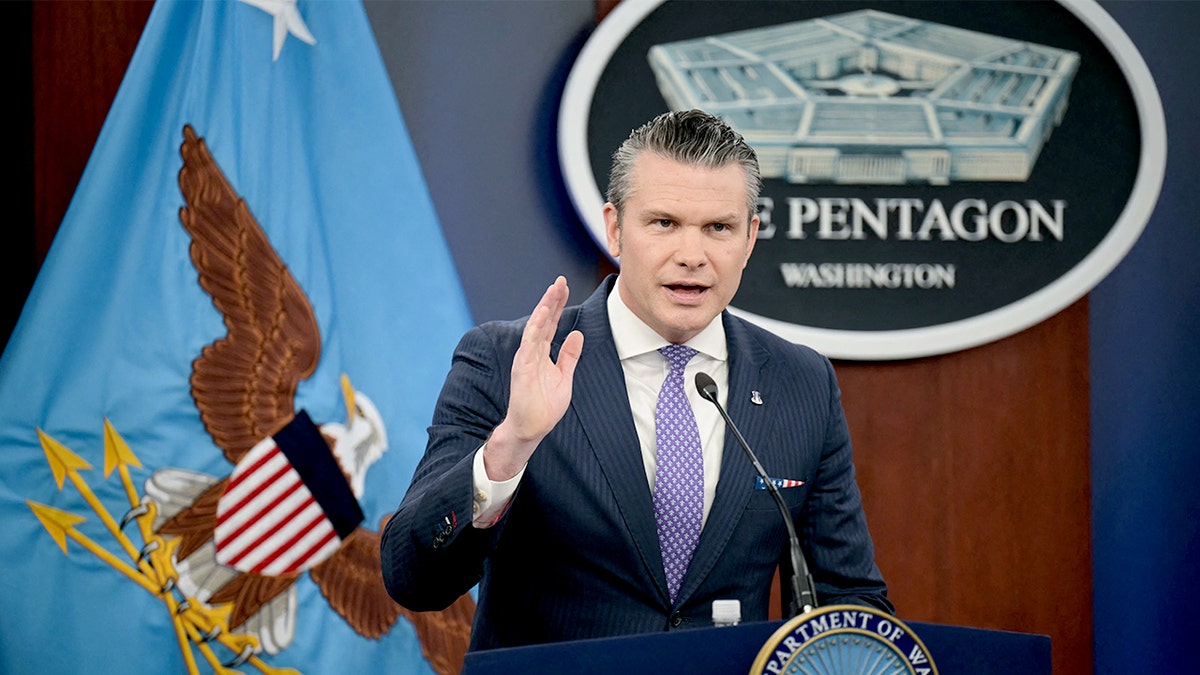
Department of War Secretary Pete Hegseth speaks during a news briefing at the Pentagon in Washington, D.C. (Oliver Contreras / AFP via Getty Images, File)
President Donald Trump has described the fight as an “armed conflict” with cartels in Latin America and argued the attacks are necessary to stop drugs from reaching American communities and fueling fatal overdoses.
The administration is also pursuing agreements with allied nations that could extend the campaign onto land in several Latin American countries.
War Secretary Pete Hegseth said during an August visit to Panama that Colombia, Guatemala and Honduras had agreed to allow the U.S. to conduct joint operations against criminal groups on their soil, though Guatemala denied that an agreement had been reached. Ecuador began similar missions with the U.S. in March.